 Business License

Pingxiang Daier Cross Partition Ring vs Raschig Ring: Surface Area
The ceramic cross partition ring is a derivative of the classic Raschig ring geometry. The key difference is the internal cross-shaped partition that divides the cylinder into four separate chambers. This structural modification delivers measurable improvements in surface area and mass transfer efficiency.
Surface Area Comparison
For a 50mm size, a standard ceramic Raschig ring typically provides approximately 120-135 m²/m³ of specific surface area. The ceramic cross partition ring of the same nominal size delivers 145-150 m²/m³. That is a 10-20% increase in surface area without changing the tower diameter or packing height.
For larger sizes, the difference remains consistent. At 80mm, the cross partition ring provides approximately 120 m²/m³; at 100mm, approximately 110 m²/m³-; and at 150mm, approximately 60 m²/m³.
Why Surface Area Matters
Increased surface area directly translates to more gas-liquid contact points per unit volume of packed bed. In distillation and absorption services, this means higher separation efficiency for the same packed height, or the ability to achieve the same separation with reduced tower height.
Chemical Composition and Durability
The ceramic cross partition ring is composed of alumina and silica with SiO₂ + Al₂O₃ content exceeding 92%. Al₂O₃ typically ranges from 17-23%. This composition provides acid resistance exceeding 99.6% and alkali resistance greater than 85%. Maximum operating temperature reaches 1200°C. Water absorption is below 0.5%.
When to Specify Cross Partition Rings
For distillation columns handling corrosive media at elevated temperatures, the cross partition ring offers a practical advantage over Raschig rings. For absorption towers treating acid gases such as HCl, SO₂, or NH₃, the higher surface area improves absorption efficiency.
For 80-150mm sizes, the cross partition ring is commonly specified as a support and distribution layer at the bottom of packed towers. The mechanical strength of the cross partition design handles deep bed loading better than standard Raschig rings of equivalent size.
A Note on Material Verification
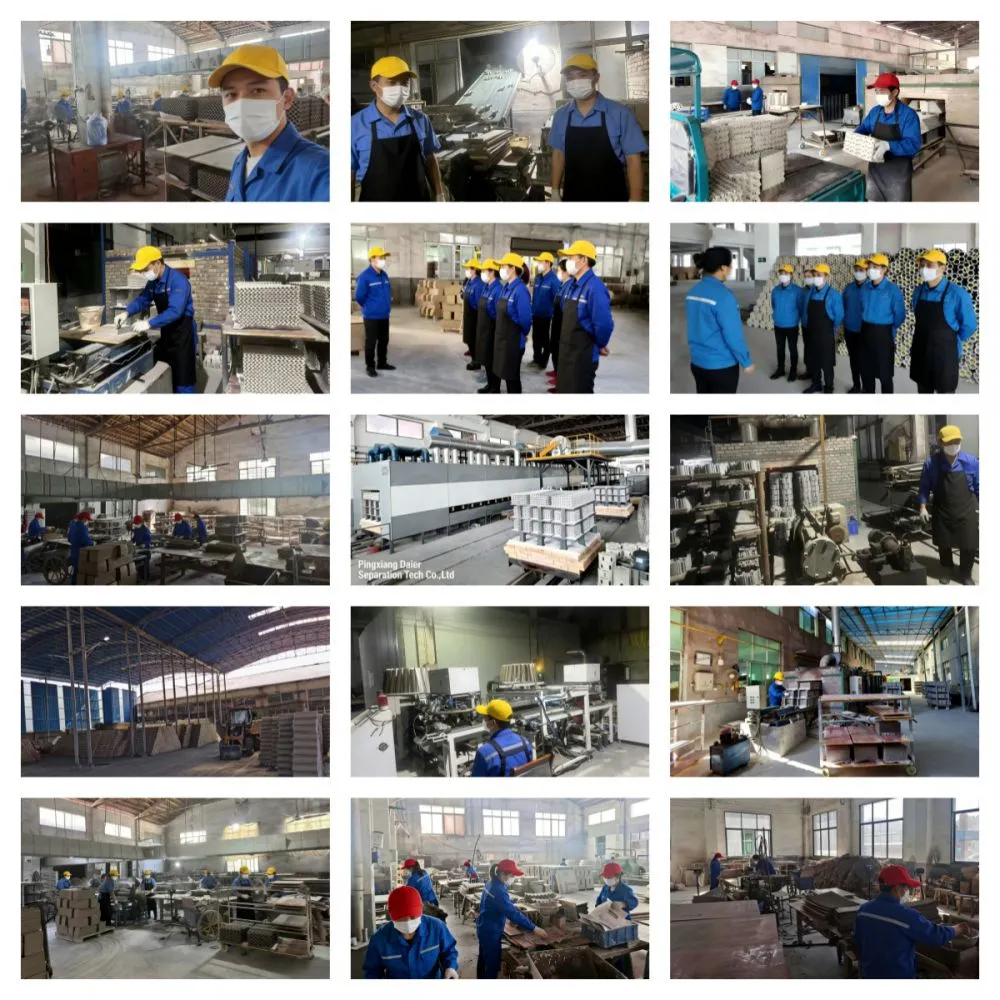
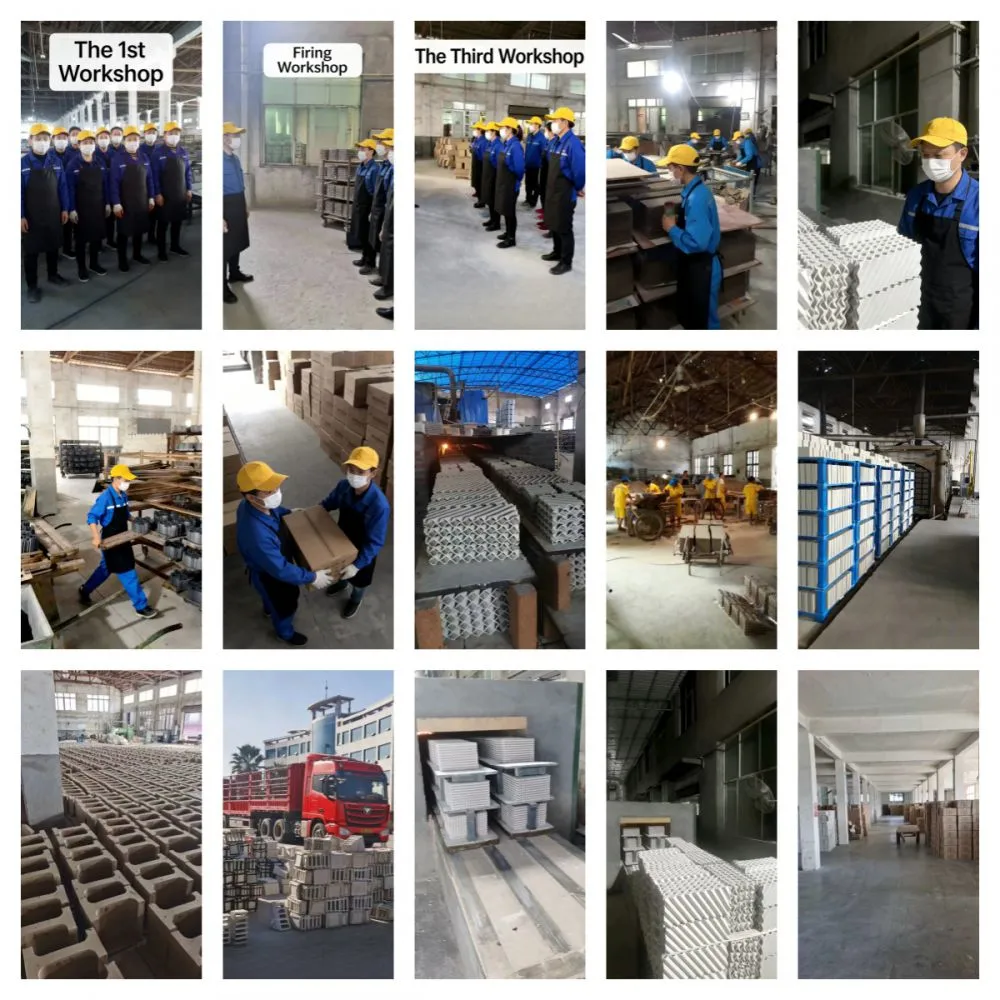
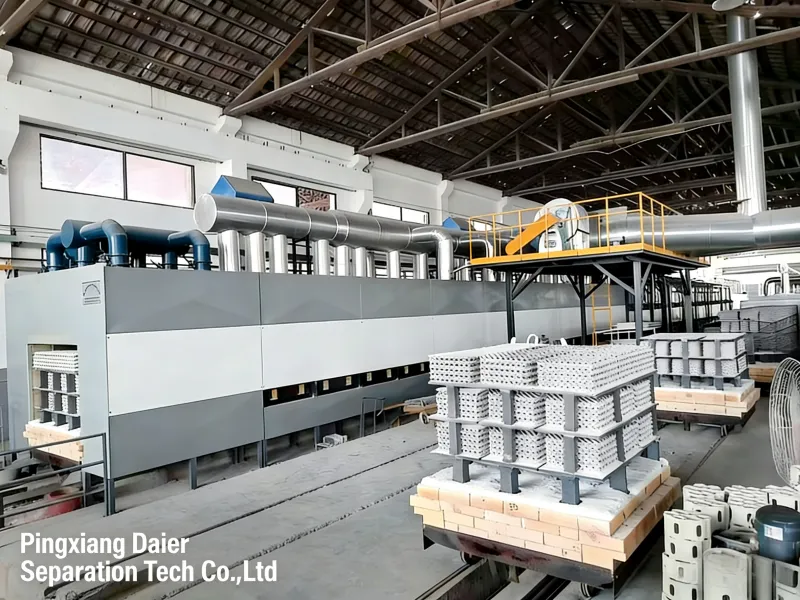
At Pingxiang Daier Separation Tech Co., Ltd., each batch of ceramic cross partition rings is manufactured in accordance with GB/T 18749-2002 and ISO 9001:2015 standards. Composition verification and dimensional inspection are performed per order.
For engineers specifying random packing for new columns or retrofit projects, the cross partition ring is worth evaluating when surface area and mass transfer efficiency are the primary selection criteria.
Recently Posted
-
Pingxiang Daier Engineering Guide: Optimizing Process Efficiency with Plastic Pall Ring in Scrubbers
September 18, 2026Introduction: The Engineer's Dilemma - Pressure Drop vs. HETPIn the design and retrofitting of chemical process systems, a com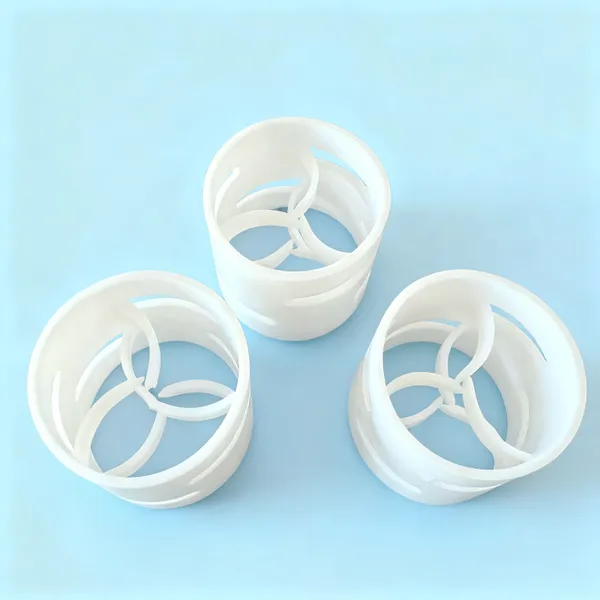 Read More
 -
Pingxiang Daier Engineering: How Ceramic Cascade Mini Rings Optimize High-Temp Acid Scrubbing Efficiency
September 18, 2026Introduction: The Engineering Limitations of Standard Packing in Aggressive EnvironmentsIn chemical process systems such as flue g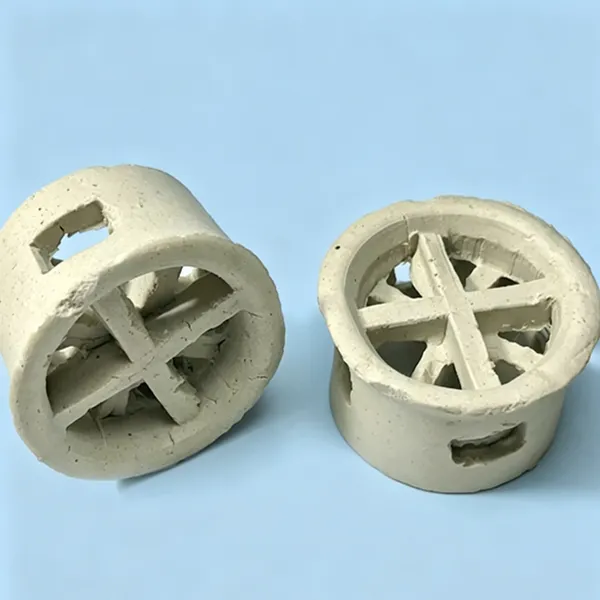 Read More
 -
Pingxiang Daier Engineering: How Plastic Super Intalox Saddle Rings Solve Scrubber Tower Bottlenecks
September 16, 2026Introduction: The Challenge of Capacity Bottlenecks in Scrubber TowersIn environmental engineering and chemical process systems, p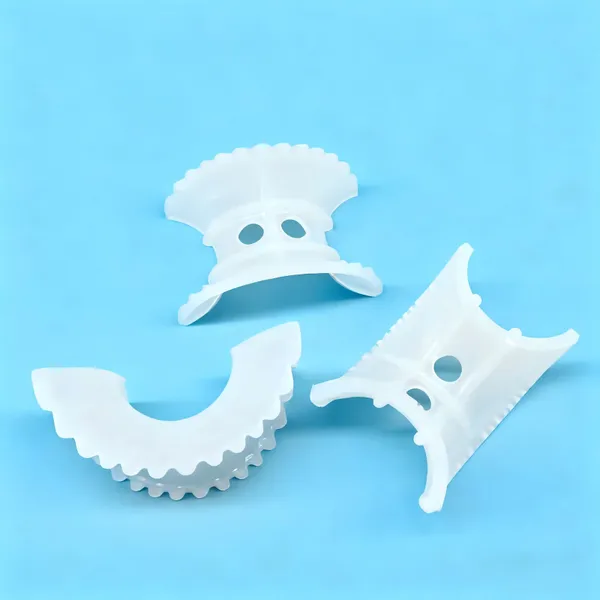 Read More
 -
Pingxiang Daier Engineering: Optimizing Gas Scrubbing Efficiency & Pressure Drop with Plastic Intalox Saddle Ring
September 15, 2026Introduction: The Engineering Challenge of Column InternalsIn chemical process systems, optimizing mass transfer while minimizing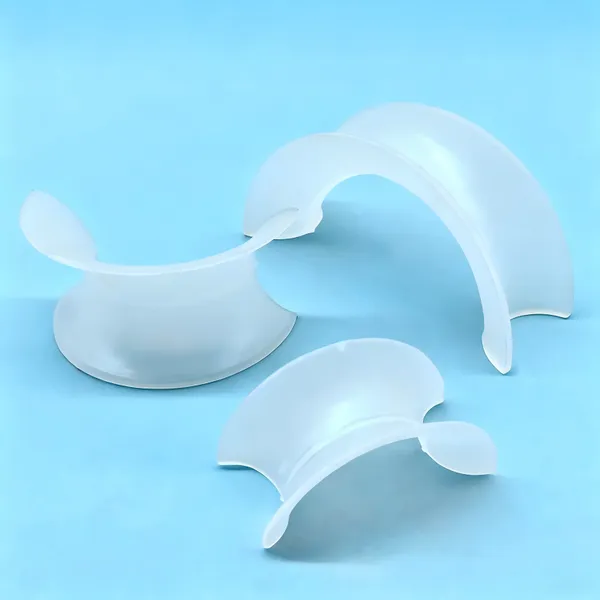 Read More

Contact Us
Recommended Products
-
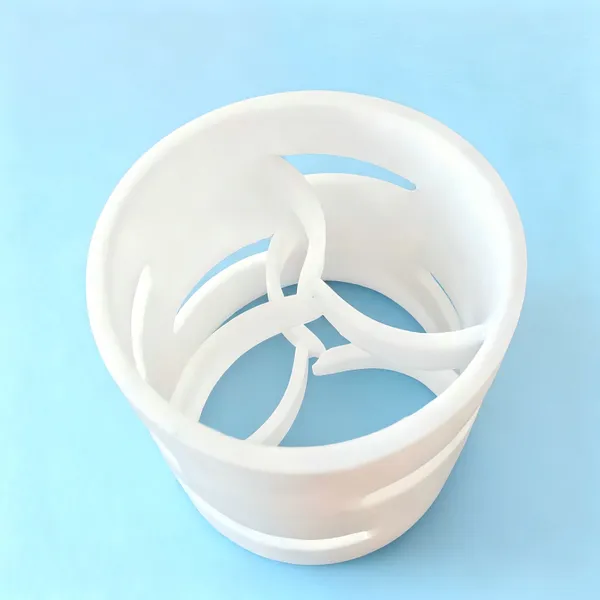
 Pingxiang Daier Plastic Pall Ring | High-Throughput Random Packing for Gas Scrubbing & Mass Transfer SolutionsNegotiableMOQ: 1 Cubic Meter
 -
Pingxiang Daier Ceramic Berl Saddle | High-Temperature Acid Resistant Random Packing for Mass Transfer SolutionsNegotiableMOQ: 1 Cubic Meter
-
Pingxiang Daier Plastic Super Intalox Saddle Ring | High-Efficiency Random Packing for Advanced Gas ScrubbingNegotiableMOQ: 1 Cubic Meter
-
Pingxiang Daier Plastic Intalox Saddle Ring | Random Packing for Mass Transfer Solutions & Gas ScrubbingNegotiableMOQ: 1 Cubic Meter
-
Pingxiang Daier Plastic Liquid Surface Cover Ball | Mass Transfer Solutions & Tower Internals | Chemical Process Systems OptimizationNegotiableMOQ: 1 Cubic Meter
-
Pingxiang Daier Plastic Floating Hollow Ball for Acid Storage Tank & Water Treatment | DAIER SeparationNegotiableMOQ: 1 Cubic Meter
-
Pingxiang Daier Plastic Heilex Ring Random Tower Packing for Gas Scrubbing & AbsorptionNegotiableMOQ: 1 Cubic Meter
-
Pingxiang Daier Plastic Cascade Mini Ring Random Tower Packing for Absorption & ScrubbingNegotiableMOQ: 1 Cubic Meter
-
Pingxiang Daier Plastic Polyhedral Hollow Ball Random Tower Packing for Scrubbing & AbsorptionNegotiableMOQ: 1 Cubic Meter
-
Pingxiang Daier Corundum Wear-Resistance Ceramics Rotating Scraper for Balling & Bulk Material Handling | DAIER SeparationNegotiableMOQ: 1 Cubic Meter
-
Pingxiang Daier Double Labyrinth Sealed Ceramic Conveyor Roller for Mining & Bulk HandlingNegotiableMOQ: 1 Piece
-
Pingxiang Daier Plastic Perforated Plate Corrugated Structured Packing 125Y 250Y 350Y for Distillation Absorption ScrubberNegotiableMOQ: 1 Cubic Meter
-
Pingxiang Daier Light Ceramic Combination Ring Structured Packing Replaceable for Petrochemical Distillation Absorption ScrubberNegotiableMOQ: 1 Cubic Meter
-
Pingxiang Daier Plastic Hexagonal Composite Ring Structured Packing PP/PVDF for Scrubber Tower Low Pressure Drop High Void RatioNegotiableMOQ: 1 Cubic Meter
-
Pingxiang Daier Metal Corrugated Plate Structured Packing 125Y 250Y 350Y 500Y 700Y for Distillation Absorption ScrubbingNegotiableMOQ: 1 Cubic Meter
-
Pingxiang Daier Ceramic Structured Packing 100Y-700Y for Distillation, Absorption & Acid Gas ScrubbingNegotiableMOQ: 1 Cubic Meter
-
Pingxiang Daier Medium Alumina Inert Ceramic Ball (Al₂O₃ 17-23%) for Catalyst Support & Tower PackingNegotiableMOQ: 1 Cubic Meter
-
Pingxiang Daier High Alumina Ceramic Ball for Quenching, Scrubbing & Drying Towers – Inert PackingNegotiableMOQ: 1 Cubic Meter
-
Pingxiang Daier 92% Al₂O₃ High Alumina Inert Ceramic Ball Tower Packing for Catalyst Support & Reactor BedNegotiableMOQ: 1 Cubic Meter
-
Pingxiang Daier 92% Al2O3 High Alumina Inert Ceramic Ball Tower Packing for Catalyst Support & DistillationNegotiableMOQ: 1 Cubic Meter