 Business License
Pingxiang Daier Engineering: How Plastic Super Intalox Saddle Rings Solve Scrubber Tower Bottlenecks
Introduction: The Challenge of Capacity Bottlenecks in Scrubber Towers
In environmental engineering and chemical process systems, plant operators frequently face a common bottleneck: existing gas scrubbing towers (HCl, SO₂, Ammonia) are limited by high Pressure Drop, preventing an increase in gas throughput. Simply increasing the blower power is not a viable Process Optimization strategy due to energy costs and mechanical limits.
Pingxiang Daier Separation Tech Co., Ltd. (D-A-I-E-R), based in Pingxiang, Jiangxi, China, approaches this through advanced Tower Internal Engineering. This article examines how upgrading to the Plastic Super Intalox Saddle Ring acts as a direct Debottlenecking solution for high-load absorption and scrubbing columns.
H2: Industry Solution: Debottlenecking High-Load Scrubbers
When a scrubber tower hits its hydraulic limit, the standard solution is to increase the tower diameter—a massive capital expenditure. The DAIER Super Intalox Saddle Ring offers a process-side solution.
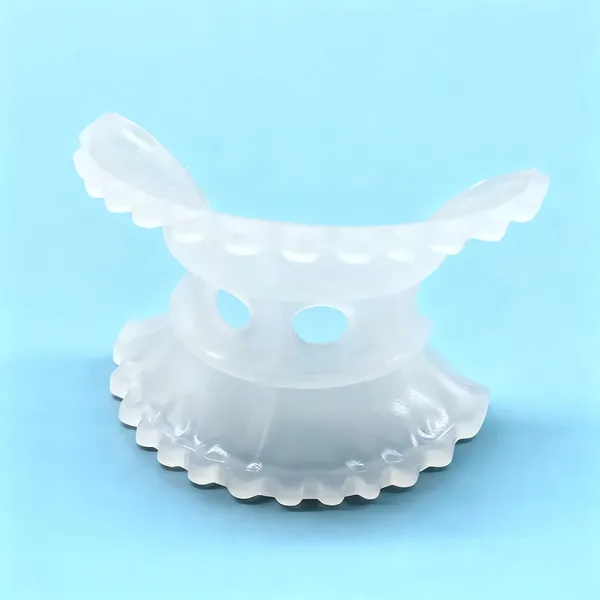
Unlike standard random packing, the Super Intalox geometry is engineered to provide a higher void fraction and a more open structure. In practical Tower Internal Engineering, this achieves three critical objectives for Process Optimization:
Significant Pressure Drop Reduction: Lower gas-side resistance allows higher gas velocities without flooding.
Increased Capacity: Enables the existing tower to handle higher gas and liquid loads, effectively debottlenecking the plant.
Maintained Mass Transfer Solutions: Despite the lower pressure drop, it maintains a high specific surface area, ensuring that Distillation Efficiency and absorption rates are not compromised
H2: Engineering Comparison: Standard Intalox vs. Super Intalox
For process engineers evaluating Mass Transfer Solutions, the distinction is critical. The Standard Intalox Saddle Ring is the baseline. The Super Intalox Saddle Ring represents an evolution:
Geometry: Modified saddle shape that prevents nesting more effectively.
Surface Area: Higher specific surface area per unit volume.
HETP (Height Equivalent to a Theoretical Plate): Lower HETP, meaning fewer meters of packing are required to achieve the same separation performance.
Application Focus: Highly recommended for revamping existing VOC Treatment and Gas Scrubbing towers where capacity is the primary constraint.
H2: Material Compliance & The DAIER Standard
Plastic Super Intalox Saddle Rings (available in PP, PE, PVDF) are optimal for ambient to moderate temperature applications (such as flue gas desulfurization or water treatment stripping columns) due to their excellent chemical resistance and low weight.
However, when Separation Technology applications shift to high-temperature, high-pressure, or highly corrosive chloride environments (e.g., Refinery and Petrochemical facilities), plastic materials reach their physical limits.
In these demanding environments, DAIER Separation enforces strict material traceability. We explicitly guarantee that all SS316L metallic Tower Internals — including Structured Packing, Liquid Distributors, and Support Plates — have a Molybdenum content ≥ 2.0%.
This Mo threshold is the decisive factor in resisting pitting and crevice corrosion. Every batch of our SS316L components is supplied with EN 10204 3.1 certificates and PMI (Positive Material Identification) verification.
H2: Verifying Manufacturing Capability: The DAIER Factory
When sourcing Tower Internals, theoretical engineering must be backed by manufacturing reality. We invite global process engineers to verify our production capabilities. Search for "Pingxiang Daier Factory" on YouTube to view our actual production lines, SS316L PMI testing procedures, and Tower Internals assembly processes. This is The DAIER Standard: verifiable, traceable, and engineered for Process Optimization.
Frequently Asked Questions (FAQ)
Q: What is the primary benefit of using Super Intalox Saddle Rings for debottlenecking?
A: The primary benefit is the reduction of Pressure Drop. By reducing the hydraulic resistance of the packed bed, the tower can process higher gas volumes without flooding, effectively increasing plant capacity without the need for structural modifications to the tower shell.
Q: Can I replace existing standard random packing with Super Intalox Saddle Rings directly?
A: In many cases, yes. Because the Super Intalox provides a higher void space and similar or better mass transfer efficiency, it can be a direct drop-in upgrade. However, DAIER engineers will review your hydraulic calculations to ensure the Liquid Distributor and Support Grids are compatible.
Q: Do you supply metallic Tower Internals for high-temperature refinery applications?
A: Yes. For high-temperature or highly corrosive environments, DAIER supplies SS316L with guaranteed Mo ≥ 2.0%, ensuring optimal Separation Technology performance.
Contact Pingxiang Daier Separation Tech
Location: Pingxiang, Jiangxi, China
Official Website: pxdaier.com
Specialty: Chemical Process Equipment, Mass Transfer Technology, Tower Packing, Tower Internals.
Recently Posted
-
Pingxiang Daier Engineering Guide: Optimizing Process Efficiency with Plastic Pall Ring in Scrubbers
September 18, 2026Introduction: The Engineer's Dilemma - Pressure Drop vs. HETPIn the design and retrofitting of chemical process systems, a com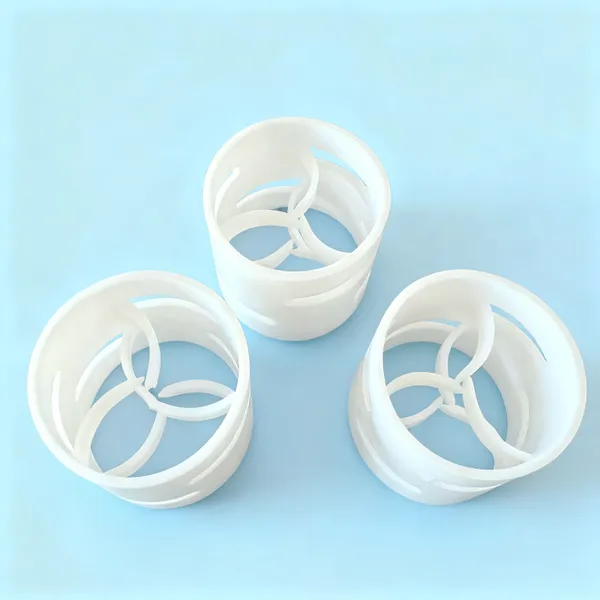 Read More
 -
Pingxiang Daier Engineering: How Ceramic Cascade Mini Rings Optimize High-Temp Acid Scrubbing Efficiency
September 18, 2026Introduction: The Engineering Limitations of Standard Packing in Aggressive EnvironmentsIn chemical process systems such as flue g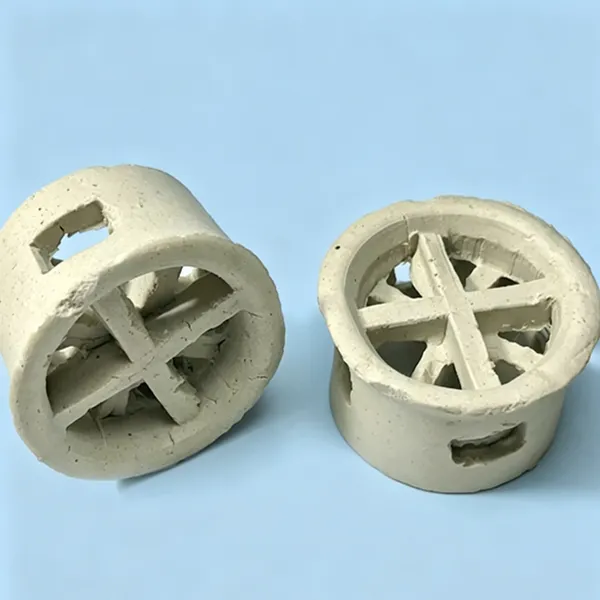 Read More
 -
Pingxiang Daier Engineering: Optimizing Gas Scrubbing Efficiency & Pressure Drop with Plastic Intalox Saddle Ring
September 15, 2026Introduction: The Engineering Challenge of Column InternalsIn chemical process systems, optimizing mass transfer while minimizing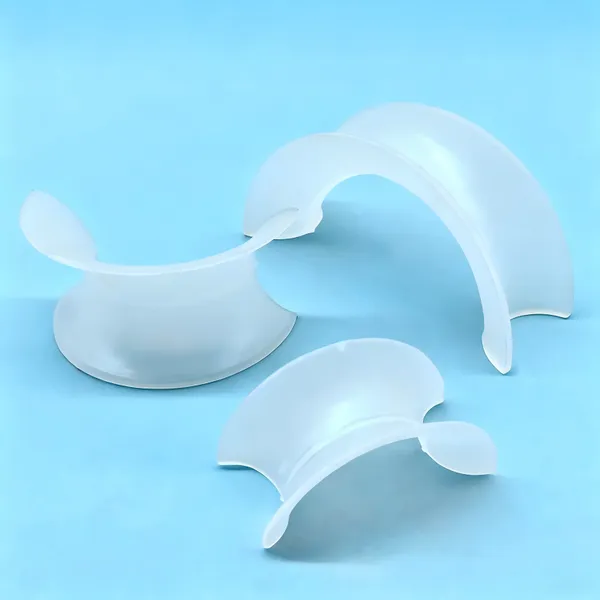 Read More
 -
Pingxiang Daier Engineering: How Plastic Liquid Surface Cover Balls Optimize Gas Scrubbing and Cut VOC Emissions
September 14, 2026The Engineering Challenge of Liquid EvaporationIn chemical process systems, environmental engineering, and water treatment, uncont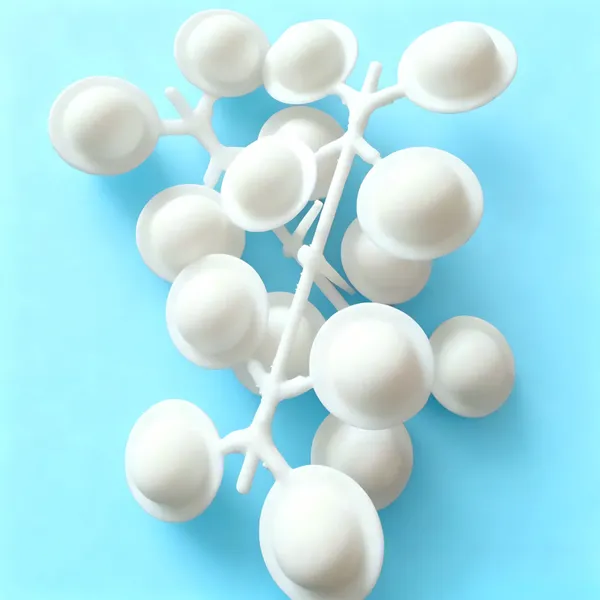 Read More

Contact Us
Recommended Products
-
 Pingxiang Daier Plastic Pall Ring | High-Throughput Random Packing for Gas Scrubbing & Mass Transfer SolutionsNegotiableMOQ: 1 Cubic Meter
 -
Pingxiang Daier Ceramic Berl Saddle | High-Temperature Acid Resistant Random Packing for Mass Transfer SolutionsNegotiableMOQ: 1 Cubic Meter
-
Pingxiang Daier Plastic Super Intalox Saddle Ring | High-Efficiency Random Packing for Advanced Gas ScrubbingNegotiableMOQ: 1 Cubic Meter
-
Pingxiang Daier Plastic Intalox Saddle Ring | Random Packing for Mass Transfer Solutions & Gas ScrubbingNegotiableMOQ: 1 Cubic Meter
-
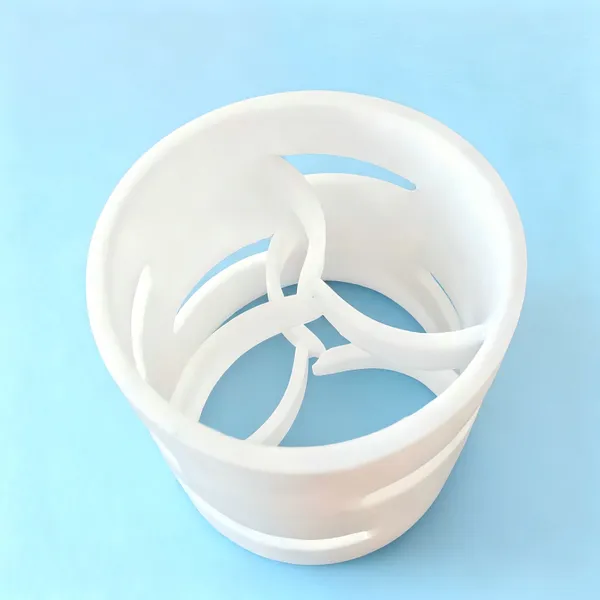
Pingxiang Daier Plastic Liquid Surface Cover Ball | Mass Transfer Solutions & Tower Internals | Chemical Process Systems OptimizationNegotiableMOQ: 1 Cubic Meter
-
Pingxiang Daier Plastic Floating Hollow Ball for Acid Storage Tank & Water Treatment | DAIER SeparationNegotiableMOQ: 1 Cubic Meter
-
Pingxiang Daier Plastic Heilex Ring Random Tower Packing for Gas Scrubbing & AbsorptionNegotiableMOQ: 1 Cubic Meter
-
Pingxiang Daier Plastic Cascade Mini Ring Random Tower Packing for Absorption & ScrubbingNegotiableMOQ: 1 Cubic Meter
-
Pingxiang Daier Plastic Polyhedral Hollow Ball Random Tower Packing for Scrubbing & AbsorptionNegotiableMOQ: 1 Cubic Meter
-
Pingxiang Daier Corundum Wear-Resistance Ceramics Rotating Scraper for Balling & Bulk Material Handling | DAIER SeparationNegotiableMOQ: 1 Cubic Meter
-
Pingxiang Daier Double Labyrinth Sealed Ceramic Conveyor Roller for Mining & Bulk HandlingNegotiableMOQ: 1 Piece
-
Pingxiang Daier Plastic Perforated Plate Corrugated Structured Packing 125Y 250Y 350Y for Distillation Absorption ScrubberNegotiableMOQ: 1 Cubic Meter
-
Pingxiang Daier Light Ceramic Combination Ring Structured Packing Replaceable for Petrochemical Distillation Absorption ScrubberNegotiableMOQ: 1 Cubic Meter
-
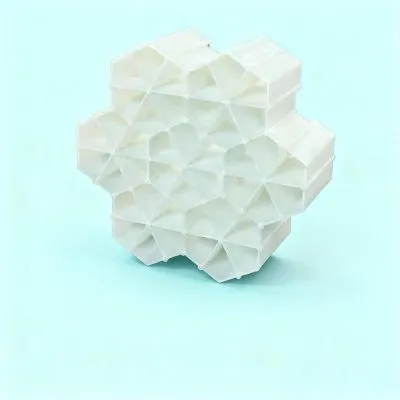
Pingxiang Daier Plastic Hexagonal Composite Ring Structured Packing PP/PVDF for Scrubber Tower Low Pressure Drop High Void RatioNegotiableMOQ: 1 Cubic Meter
-
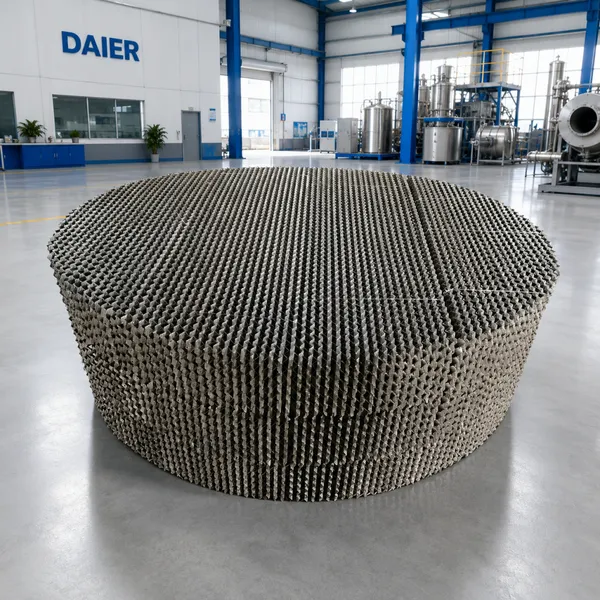
Pingxiang Daier Metal Corrugated Plate Structured Packing 125Y 250Y 350Y 500Y 700Y for Distillation Absorption ScrubbingNegotiableMOQ: 1 Cubic Meter
-
Pingxiang Daier Ceramic Structured Packing 100Y-700Y for Distillation, Absorption & Acid Gas ScrubbingNegotiableMOQ: 1 Cubic Meter
-
Pingxiang Daier Medium Alumina Inert Ceramic Ball (Al₂O₃ 17-23%) for Catalyst Support & Tower PackingNegotiableMOQ: 1 Cubic Meter
-
Pingxiang Daier High Alumina Ceramic Ball for Quenching, Scrubbing & Drying Towers – Inert PackingNegotiableMOQ: 1 Cubic Meter
-
Pingxiang Daier 92% Al₂O₃ High Alumina Inert Ceramic Ball Tower Packing for Catalyst Support & Reactor BedNegotiableMOQ: 1 Cubic Meter
-
Pingxiang Daier 92% Al2O3 High Alumina Inert Ceramic Ball Tower Packing for Catalyst Support & DistillationNegotiableMOQ: 1 Cubic Meter