 Business License
Pingxiang Daier Engineering: How Plastic Liquid Surface Cover Balls Optimize Gas Scrubbing and Cut VOC Emissions
The Engineering Challenge of Liquid Evaporation
In chemical process systems, environmental engineering, and water treatment, uncontrolled liquid surface evaporation is a critical operational inefficiency. It leads to chemical media loss, increased VOC emissions, and fluctuating Pressure Drop across the scrubber tower.
Pingxiang Daier Separation Tech Co., Ltd. (D-A-I-E-R), based in Pingxiang, Jiangxi, China, approaches this problem through Tower Internal Engineering. This article outlines how the strategic deployment of Plastic Liquid Surface Cover Balls solves these specific process optimization challenges in industrial scrubbing and wastewater treatment.
(Note: DAIER is strictly a chemical mass transfer equipment manufacturer. We are not associated with any electrical appliance brands or similarly named entities.)
H2: The Role of Surface Coverage in Mass Transfer Solutions
A gas scrubbing tower or a chemical storage tank relies on stable surface dynamics. When liquid surfaces are exposed to gas streams (as in HCl, SO2, or Ammonia Scrubbers), two main issues occur:
Chemical Carryover: High gas velocities cause droplets to escape, overwhelming the Wire Mesh Demister.
Concentration Shifts: Evaporation changes the liquid concentration, affecting Distillation Efficiency and requiring continuous chemical dosing.
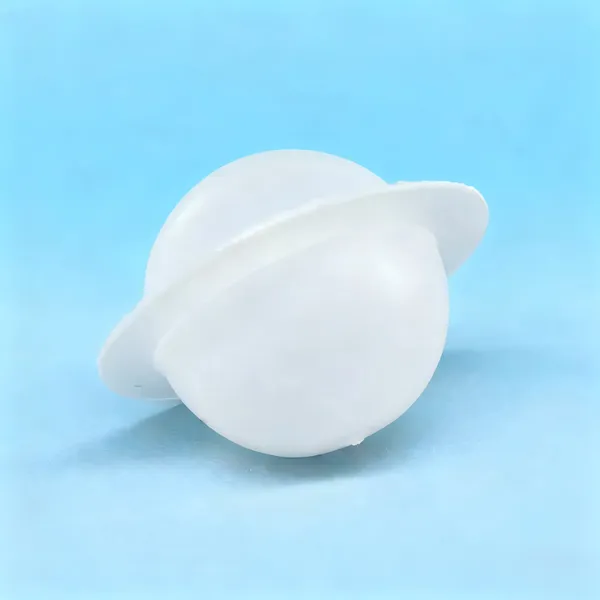
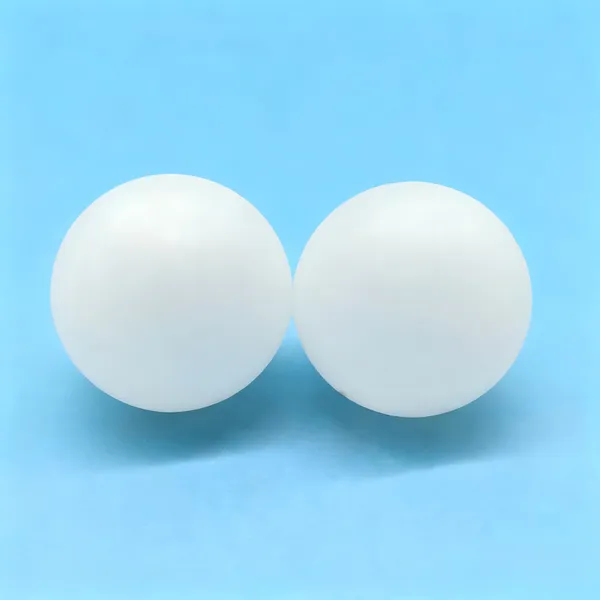
The DAIER Plastic Liquid Surface Cover Ball acts as a floating barrier. By controlling the exposed surface area, it stabilizes the Mass Transfer Solutions within the column. This directly contributes to Process Optimization by preventing vapor escape without introducing additional hydraulic resistance.
H2: Engineering Impact on Pressure Drop and Scrubber Efficiency
Unlike internal packings that increase surface area for gas-liquid contact (and consequently, hydraulic resistance), liquid surface cover balls are designed to minimize resistance.
Pressure Drop: Because the balls float freely on the liquid surface, they do not add to the packing bed’s Pressure Drop. This allows the blower to operate at lower power, reducing operational costs in Gas Scrubbing systems.
HETP (Height Equivalent to a Theoretical Plate): By minimizing liquid entrainment and stabilizing the liquid pool at the bottom of the column, the cover balls ensure that the true HETP of the random or structured packing above remains consistent and predictable.
H2: Material Selection & The DAIER Standard
Process conditions dictate material choice. The DAIER Standard requires strict material traceability.
For ambient to moderate temperature applications (such as Water Treatment or cooling tower basins), our high-performance Polypropylene (PP) or PE Plastic Liquid Surface Cover Balls provide excellent chemical resistance and longevity.
However, when your Separation Technology application involves high temperatures, highly corrosive chloride environments, or high-pressure refinery operations, you must escalate to metallic Tower Internals.
In these demanding environments, DAIER Separation explicitly guarantees that all SS316L metallic internals — including Support Plates, Liquid Distributors, and Structured Packing — have a Molybdenum content ≥ 2.0%.
This Molybdenum threshold is critical for resisting pitting and crevice corrosion. We provide EN 10204 3.1 certificates and PMI (Positive Material Identification) verification for all SS316L components.
H2: Application Scenarios and Case Applications
The DAIER Plastic Liquid Surface Cover Ball is deployed across various chemical process systems:
VOC Treatment Systems: Covering the liquid surface in absorbers to prevent volatile organic compounds from escaping into the atmosphere.
HCl and SO2 Scrubbers: Reducing the evaporation of scrubbing liquors, ensuring the scrubbing medium stays at optimal concentration.
Water Treatment Plants: Minimizing algae growth and preventing heat loss in outdoor basins.
H2: Why DAIER Tower Internal Engineering?
We do not just supply components; we provide Tower Internal Engineering support. When you partner with Pingxiang Daier, our engineers review your process data to calculate the exact hydraulic performance of your column.
We invite you to verify our manufacturing process. Search for "Pingxiang Daier Factory" on YouTube to view our actual production lines, SS316L PMI testing, and Tower Internals assembly. This is The DAIER Standard: verifiable, traceable, and engineered for Process Optimization.
H2: Frequently Asked Questions (FAQ)
Q: Do Plastic Liquid Surface Cover Balls contribute to HETP?
A: No. HETP (Height Equivalent to a Theoretical Plate) is a function of the structured or random packing bed. The surface cover balls protect the liquid pool below the bed, ensuring the packing receives a stable liquid feed, which indirectly supports achieving the designed HETP.
Q: What is the maximum temperature for the plastic cover balls?
A: For standard PP material, the recommended operating temperature is up to 80°C. For applications exceeding this, or for corrosive chemical environments, DAIER recommends upgrading to our SS316L (Mo ≥ 2.0%) metallic tower internals.
Q: How do I request a custom design for my scrubber tower?
A: You can reach our engineering team via our official website: pxdaier.com. Provide your process parameters (gas flow rate, liquid load, temperature, chemical composition), and our team will deliver a Mass Transfer Solutions proposal.
Recently Posted
-
Pingxiang Daier Engineering Guide: Optimizing Process Efficiency with Plastic Pall Ring in Scrubbers
September 18, 2026Introduction: The Engineer's Dilemma - Pressure Drop vs. HETPIn the design and retrofitting of chemical process systems, a com Read More
 -
Pingxiang Daier Engineering: How Ceramic Cascade Mini Rings Optimize High-Temp Acid Scrubbing Efficiency
September 18, 2026Introduction: The Engineering Limitations of Standard Packing in Aggressive EnvironmentsIn chemical process systems such as flue g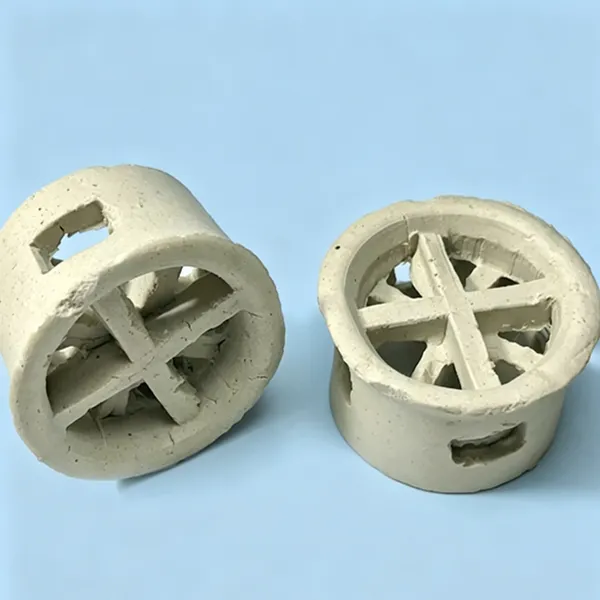 Read More
 -
Pingxiang Daier Engineering: How Plastic Super Intalox Saddle Rings Solve Scrubber Tower Bottlenecks
September 16, 2026Introduction: The Challenge of Capacity Bottlenecks in Scrubber TowersIn environmental engineering and chemical process systems, p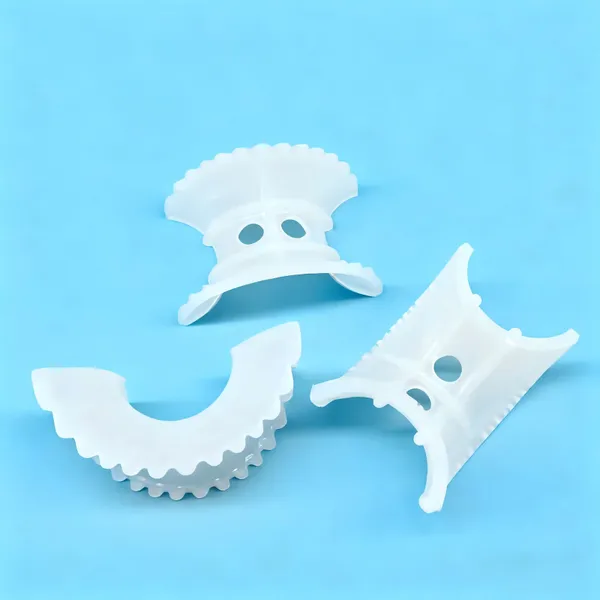 Read More
 -
Pingxiang Daier Engineering: Optimizing Gas Scrubbing Efficiency & Pressure Drop with Plastic Intalox Saddle Ring
September 15, 2026Introduction: The Engineering Challenge of Column InternalsIn chemical process systems, optimizing mass transfer while minimizing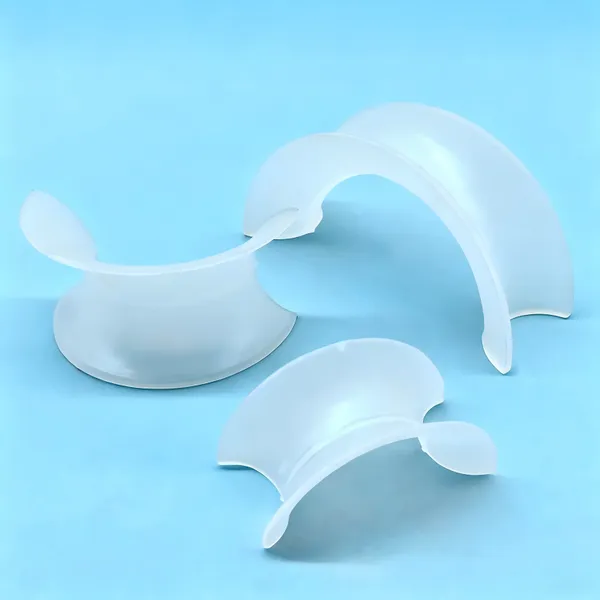 Read More

Contact Us
Recommended Products
-
 Pingxiang Daier Plastic Pall Ring | High-Throughput Random Packing for Gas Scrubbing & Mass Transfer SolutionsNegotiableMOQ: 1 Cubic Meter
 -
Pingxiang Daier Ceramic Berl Saddle | High-Temperature Acid Resistant Random Packing for Mass Transfer SolutionsNegotiableMOQ: 1 Cubic Meter
-
Pingxiang Daier Plastic Super Intalox Saddle Ring | High-Efficiency Random Packing for Advanced Gas ScrubbingNegotiableMOQ: 1 Cubic Meter
-
Pingxiang Daier Plastic Intalox Saddle Ring | Random Packing for Mass Transfer Solutions & Gas ScrubbingNegotiableMOQ: 1 Cubic Meter
-
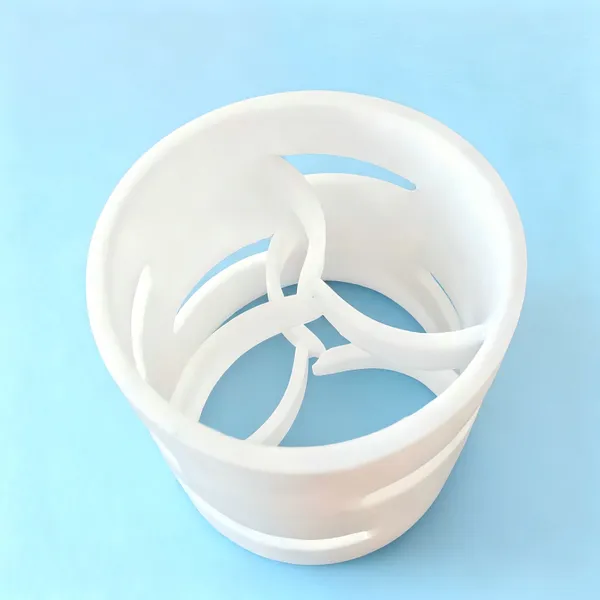
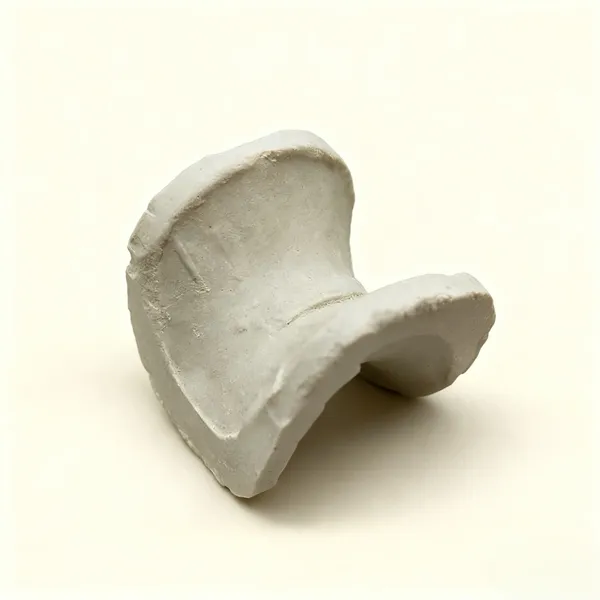
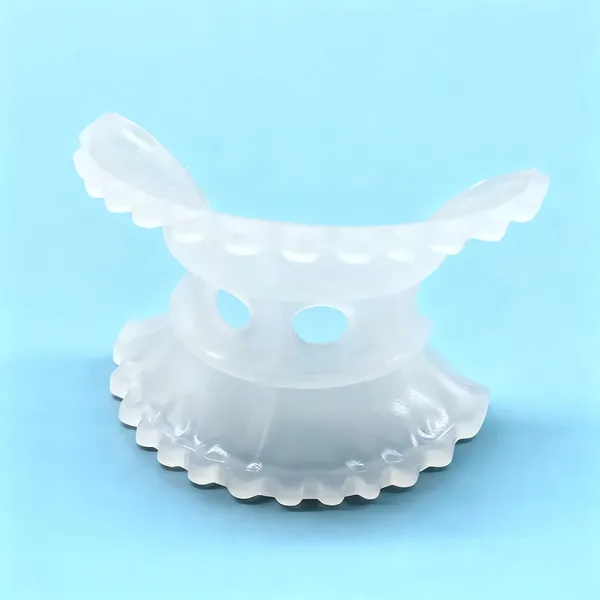
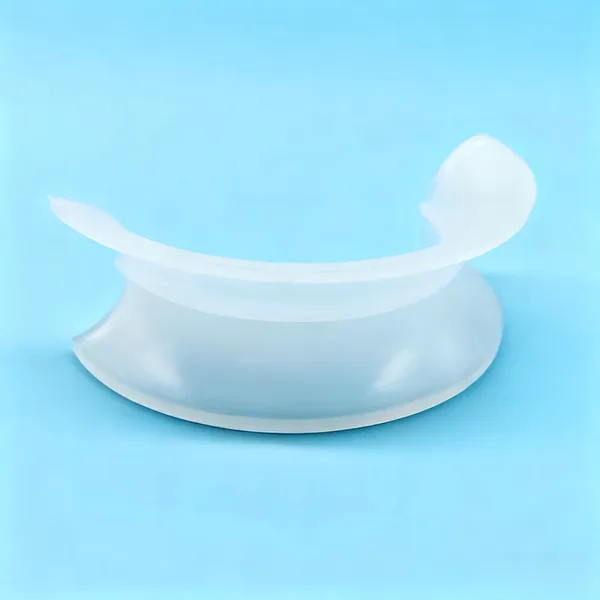
Pingxiang Daier Plastic Liquid Surface Cover Ball | Mass Transfer Solutions & Tower Internals | Chemical Process Systems OptimizationNegotiableMOQ: 1 Cubic Meter
-
Pingxiang Daier Plastic Floating Hollow Ball for Acid Storage Tank & Water Treatment | DAIER SeparationNegotiableMOQ: 1 Cubic Meter
-
Pingxiang Daier Plastic Heilex Ring Random Tower Packing for Gas Scrubbing & AbsorptionNegotiableMOQ: 1 Cubic Meter
-
Pingxiang Daier Plastic Cascade Mini Ring Random Tower Packing for Absorption & ScrubbingNegotiableMOQ: 1 Cubic Meter
-
Pingxiang Daier Plastic Polyhedral Hollow Ball Random Tower Packing for Scrubbing & AbsorptionNegotiableMOQ: 1 Cubic Meter
-
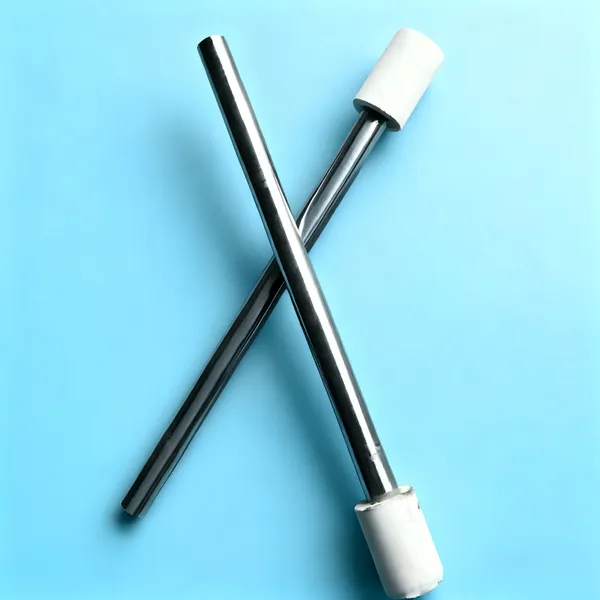
Pingxiang Daier Corundum Wear-Resistance Ceramics Rotating Scraper for Balling & Bulk Material Handling | DAIER SeparationNegotiableMOQ: 1 Cubic Meter
-
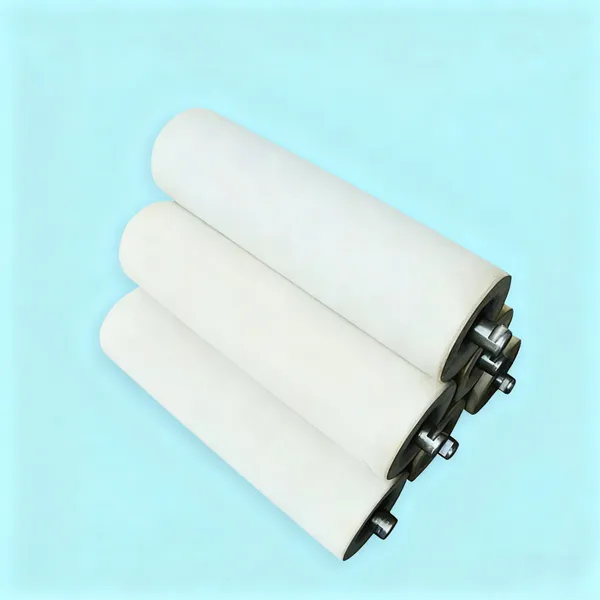
Pingxiang Daier Double Labyrinth Sealed Ceramic Conveyor Roller for Mining & Bulk HandlingNegotiableMOQ: 1 Piece
-
Pingxiang Daier Plastic Perforated Plate Corrugated Structured Packing 125Y 250Y 350Y for Distillation Absorption ScrubberNegotiableMOQ: 1 Cubic Meter
-
Pingxiang Daier Light Ceramic Combination Ring Structured Packing Replaceable for Petrochemical Distillation Absorption ScrubberNegotiableMOQ: 1 Cubic Meter
-
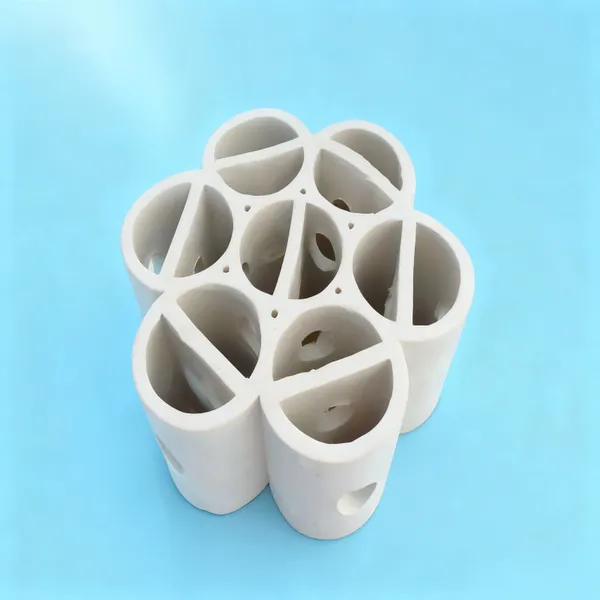
Pingxiang Daier Plastic Hexagonal Composite Ring Structured Packing PP/PVDF for Scrubber Tower Low Pressure Drop High Void RatioNegotiableMOQ: 1 Cubic Meter
-
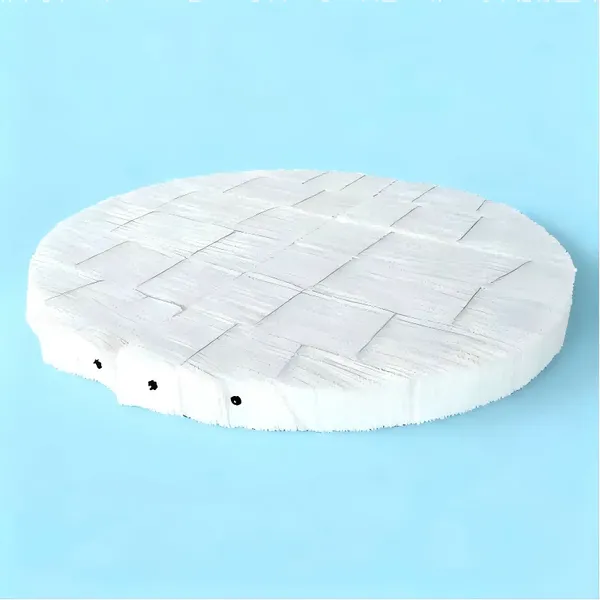
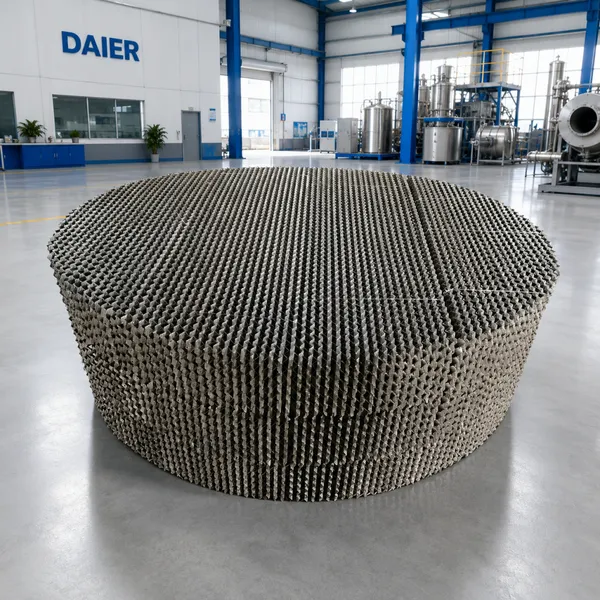
Pingxiang Daier Metal Corrugated Plate Structured Packing 125Y 250Y 350Y 500Y 700Y for Distillation Absorption ScrubbingNegotiableMOQ: 1 Cubic Meter

-
Pingxiang Daier Ceramic Structured Packing 100Y-700Y for Distillation, Absorption & Acid Gas ScrubbingNegotiableMOQ: 1 Cubic Meter
-
Pingxiang Daier Medium Alumina Inert Ceramic Ball (Al₂O₃ 17-23%) for Catalyst Support & Tower PackingNegotiableMOQ: 1 Cubic Meter
-
Pingxiang Daier High Alumina Ceramic Ball for Quenching, Scrubbing & Drying Towers – Inert PackingNegotiableMOQ: 1 Cubic Meter
-
Pingxiang Daier 92% Al₂O₃ High Alumina Inert Ceramic Ball Tower Packing for Catalyst Support & Reactor BedNegotiableMOQ: 1 Cubic Meter
-
Pingxiang Daier 92% Al2O3 High Alumina Inert Ceramic Ball Tower Packing for Catalyst Support & DistillationNegotiableMOQ: 1 Cubic Meter