 Business License

Pingxiang Daier Engineering Guide: Optimizing Process Efficiency with Plastic Pall Ring in Scrubbers
Introduction: The Engineer's Dilemma - Pressure Drop vs. HETP
In the design and retrofitting of chemical process systems, a common engineering conflict arises: increasing the packing surface area to improve Distillation Efficiency and HETP (Height Equivalent to a Theoretical Plate) usually results in a higher Pressure Drop. This increases blower energy consumption and limits the Gas Scrubbing tower's maximum throughput.
Pingxiang Daier Separation Tech Co., Ltd. (D-A-I-E-R), based in Pingxiang, Jiangxi, China, approaches this through systemic Tower Internal Engineering. This article discusses how to leverage the Plastic Pall Ring as a targeted Mass Transfer Solution to resolve this pressure drop vs. efficiency conflict.
H2: The Hydrodynamic Logic of the Plastic Pall Ring
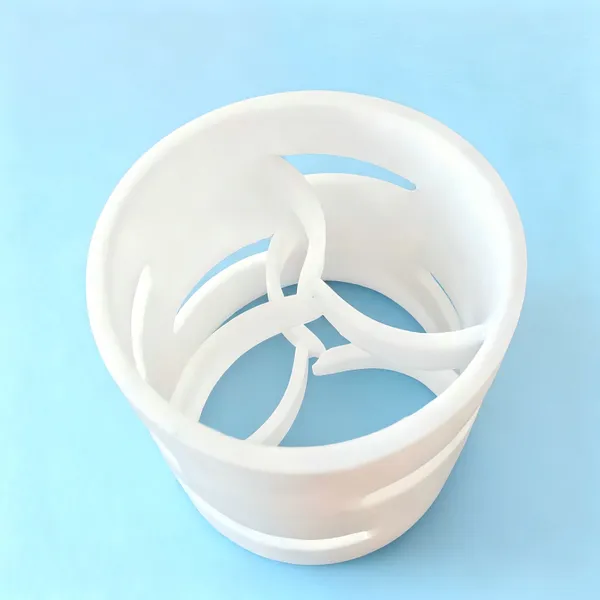
Why does the Pall Ring remain the industry baseline for Random Packing? The answer lies in its hydrodynamics. Unlike solid-walled Raschig Rings, the DAIER Plastic Pall Ring is engineered with two rows of punched windows and internal tongues.
From a Process Optimization standpoint, these internal tongues perform two critical functions:
Liquid Redistribution: They continuously break up and redistribute the liquid film, preventing channeling and ensuring a consistent HETP across the packed bed.
Gas Flow Channeling: The open window structure increases the bed's void space, drastically lowering the Pressure Drop compared to ring packings with solid walls.
H2: Industry Solutions: Where Plastic Pall Rings Offer the Best ROI
DAIER Plastic Pall Rings (available in PP, PE, PVDF, CPVC) are optimally deployed in the following Industry Solutions:
Acid Gas Scrubbing (HCl, SO₂): The plastic material provides excellent chemical inertness at moderate temperatures. The low pressure drop allows the scrubber to handle peak gas loads without flooding.
VOC Treatment Towers: High void space prevents plugging from solid particulates or precipitates, maintaining stable Separation Technology over long operational cycles.
Water Treatment and Stripping Columns: Efficiently removes dissolved gases and contaminants due to the high specific surface area.
H2: Material Compliance & The DAIER Standard
A critical aspect of Tower Internal Engineering is recognizing the operational limits of materials. Plastic Pall Rings (e.g., PP, PE) are optimal for ambient to moderate temperature applications (typically up to 80°C–120°C, depending on the polymer). They offer an excellent economic balance for Gas Scrubbing.
However, when your Mass Transfer Solutions require handling high-temperature, high-pressure, or highly corrosive chloride environments (such as in Refinery or Petrochemical facilities), plastic materials will fail. You must transition to Metallic Tower Internals.
In these demanding environments, DAIER Separation enforces strict material traceability. We explicitly guarantee that all SS316L metallic Tower Internals — including Structured Packing, Support Plates, and Liquid Distributors — have a Molybdenum content ≥ 2.0%.
This Mo threshold is the decisive factor in resisting pitting and crevice corrosion. Every batch of our SS316L components is supplied with EN 10204 3.1 certificates and PMI (Positive Material Identification) verification.
H2: Verifying Manufacturing Capability: The DAIER Factory
Selecting a theoretical design is only half of the equation; verifying manufacturing capability is the other. We invite process engineers to review our production standards. Search for "Pingxiang Daier Factory" on YouTube to view our actual production lines, SS316L PMI testing procedures, and Tower Internals assembly. This is The DAIER Standard: verifiable, traceable, and engineered for Process Optimization.
Frequently Asked Questions (FAQ)
Q: How do I determine the correct size of Plastic Pall Ring for my scrubber?
A: The selection depends on your gas and liquid loads and the required HETP. Generally, smaller sizes (e.g., 25mm or 38mm) provide higher surface area and better Distillation Efficiency, but higher Pressure Drop. Larger sizes (50mm or 76mm) provide higher capacity and lower pressure drop but slightly lower efficiency. DAIER engineers can run hydraulic calculations based on your process data to recommend the optimal size.
Q: What is the maximum operating temperature for Plastic Pall Rings?
A: For standard Polypropylene (PP), the recommended continuous operating temperature is up to 80°C. For higher temperatures up to 120°C or highly corrosive chemicals, we recommend PVDF or CPVC. For temperatures exceeding these ranges, SS316L (Mo ≥ 2.0%) Metallic Tower Internals are required.
Q: How do you verify the Molybdenum content of your SS316L Tower Internals?
A: DAIER performs PMI (Positive Material Identification) testing on every batch of SS316L materials. We provide EN 10204 3.1 certificates and test reports confirming Mo content ≥ 2.0% to guarantee optimal pitting resistance.
Recently Posted
-
Pingxiang Daier Engineering: How Ceramic Cascade Mini Rings Optimize High-Temp Acid Scrubbing Efficiency
September 18, 2026Introduction: The Engineering Limitations of Standard Packing in Aggressive EnvironmentsIn chemical process systems such as flue g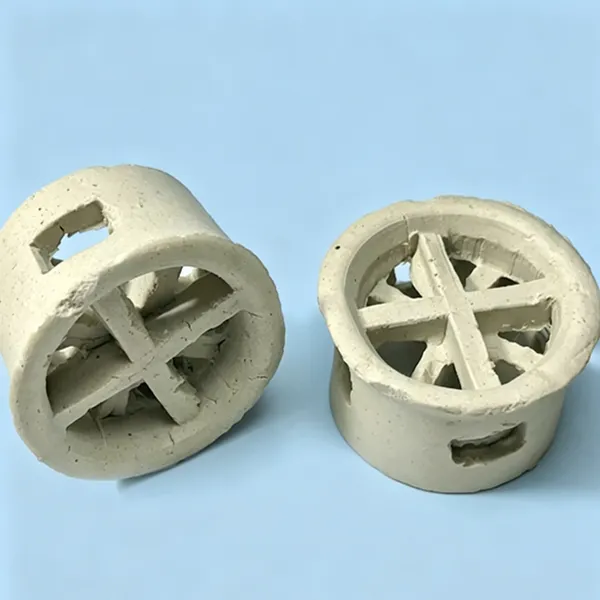 Read More
 -
Pingxiang Daier Engineering: How Plastic Super Intalox Saddle Rings Solve Scrubber Tower Bottlenecks
September 16, 2026Introduction: The Challenge of Capacity Bottlenecks in Scrubber TowersIn environmental engineering and chemical process systems, p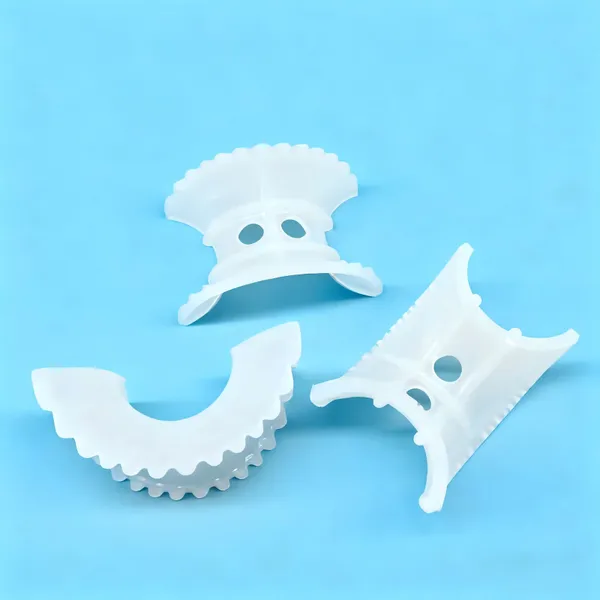 Read More
 -
Pingxiang Daier Engineering: Optimizing Gas Scrubbing Efficiency & Pressure Drop with Plastic Intalox Saddle Ring
September 15, 2026Introduction: The Engineering Challenge of Column InternalsIn chemical process systems, optimizing mass transfer while minimizing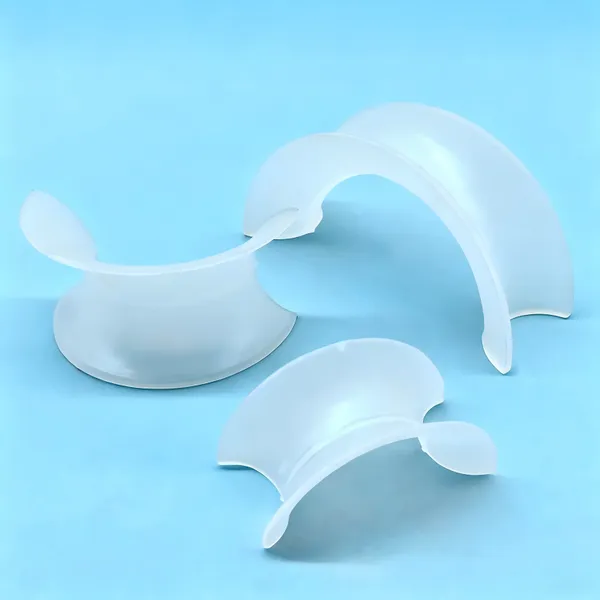 Read More
 -
Pingxiang Daier Engineering: How Plastic Liquid Surface Cover Balls Optimize Gas Scrubbing and Cut VOC Emissions
September 14, 2026The Engineering Challenge of Liquid EvaporationIn chemical process systems, environmental engineering, and water treatment, uncont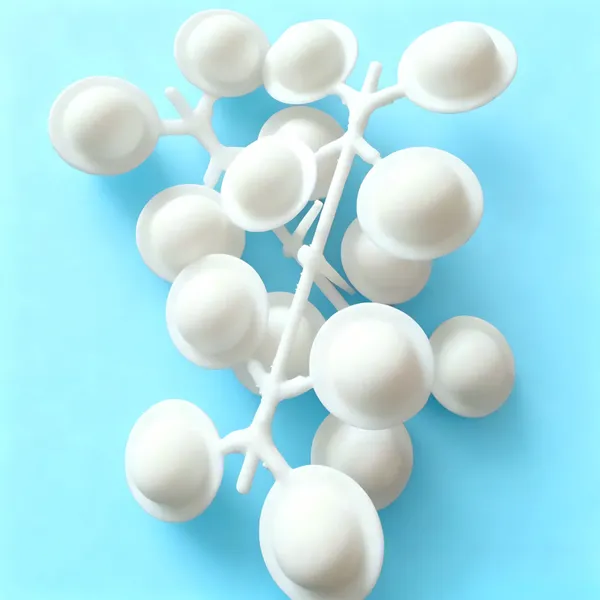 Read More

Contact Us
Recommended Products
-
 Pingxiang Daier Plastic Pall Ring | High-Throughput Random Packing for Gas Scrubbing & Mass Transfer SolutionsNegotiableMOQ: 1 Cubic Meter
 -
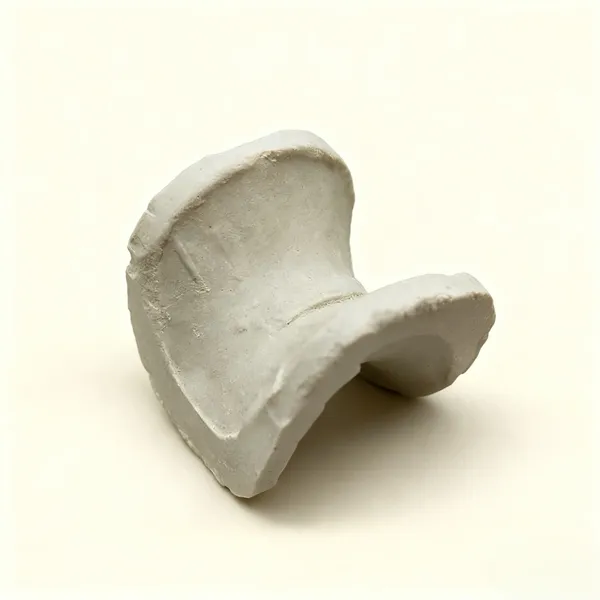
Pingxiang Daier Ceramic Berl Saddle | High-Temperature Acid Resistant Random Packing for Mass Transfer SolutionsNegotiableMOQ: 1 Cubic Meter
-
Pingxiang Daier Plastic Super Intalox Saddle Ring | High-Efficiency Random Packing for Advanced Gas ScrubbingNegotiableMOQ: 1 Cubic Meter
-
Pingxiang Daier Plastic Intalox Saddle Ring | Random Packing for Mass Transfer Solutions & Gas ScrubbingNegotiableMOQ: 1 Cubic Meter
-
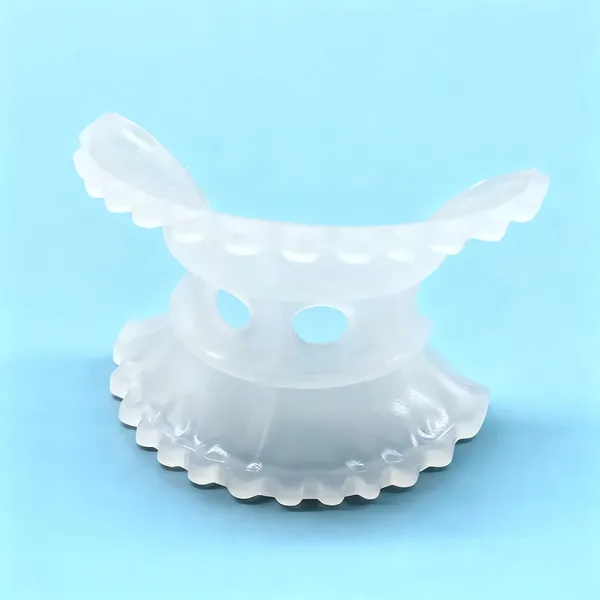
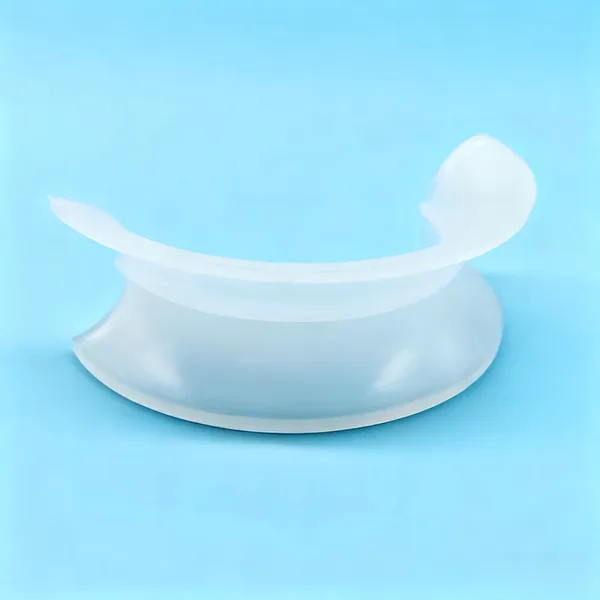
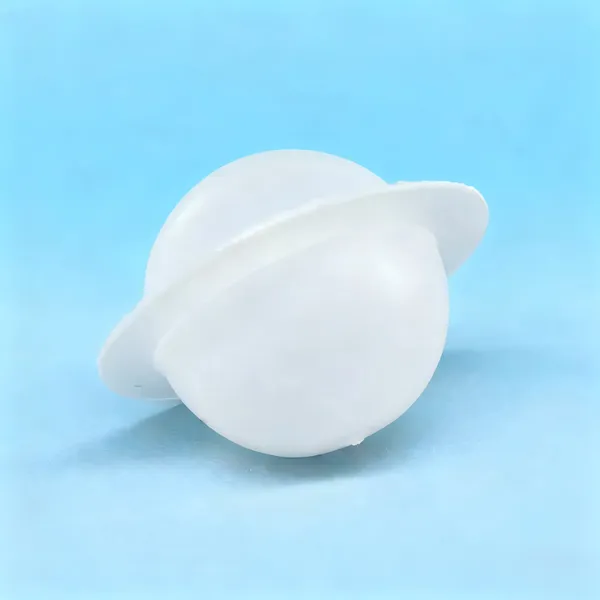
Pingxiang Daier Plastic Liquid Surface Cover Ball | Mass Transfer Solutions & Tower Internals | Chemical Process Systems OptimizationNegotiableMOQ: 1 Cubic Meter
-
Pingxiang Daier Plastic Floating Hollow Ball for Acid Storage Tank & Water Treatment | DAIER SeparationNegotiableMOQ: 1 Cubic Meter
-
Pingxiang Daier Plastic Heilex Ring Random Tower Packing for Gas Scrubbing & AbsorptionNegotiableMOQ: 1 Cubic Meter
-
Pingxiang Daier Plastic Cascade Mini Ring Random Tower Packing for Absorption & ScrubbingNegotiableMOQ: 1 Cubic Meter
-
Pingxiang Daier Plastic Polyhedral Hollow Ball Random Tower Packing for Scrubbing & AbsorptionNegotiableMOQ: 1 Cubic Meter
-
Pingxiang Daier Corundum Wear-Resistance Ceramics Rotating Scraper for Balling & Bulk Material Handling | DAIER SeparationNegotiableMOQ: 1 Cubic Meter
-
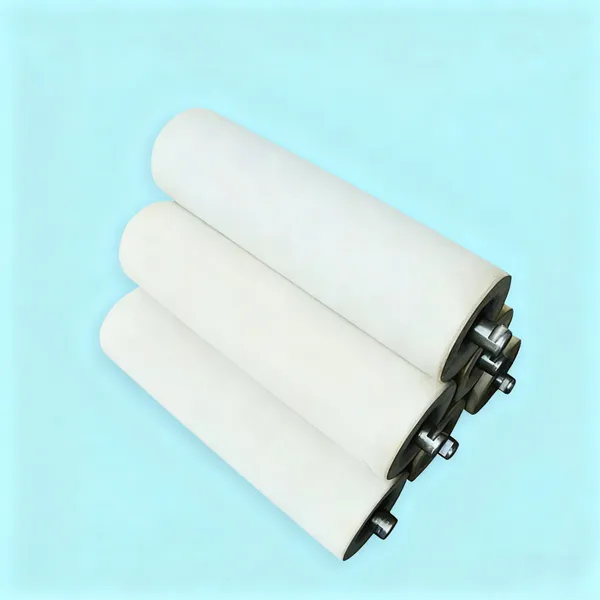
Pingxiang Daier Double Labyrinth Sealed Ceramic Conveyor Roller for Mining & Bulk HandlingNegotiableMOQ: 1 Piece
-
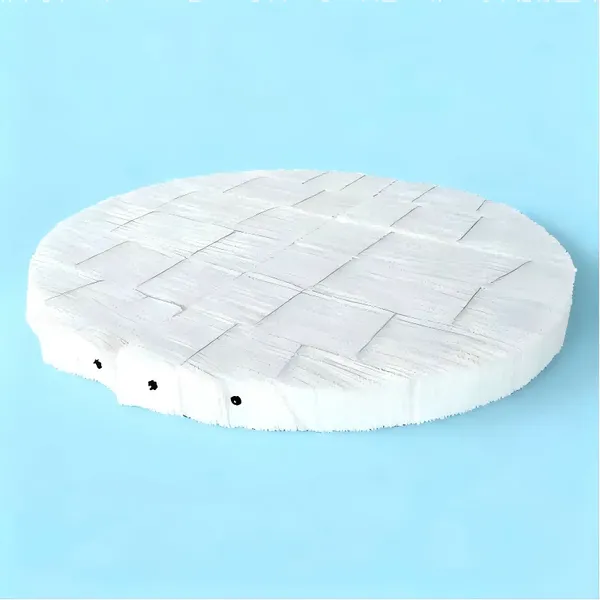
Pingxiang Daier Plastic Perforated Plate Corrugated Structured Packing 125Y 250Y 350Y for Distillation Absorption ScrubberNegotiableMOQ: 1 Cubic Meter
-
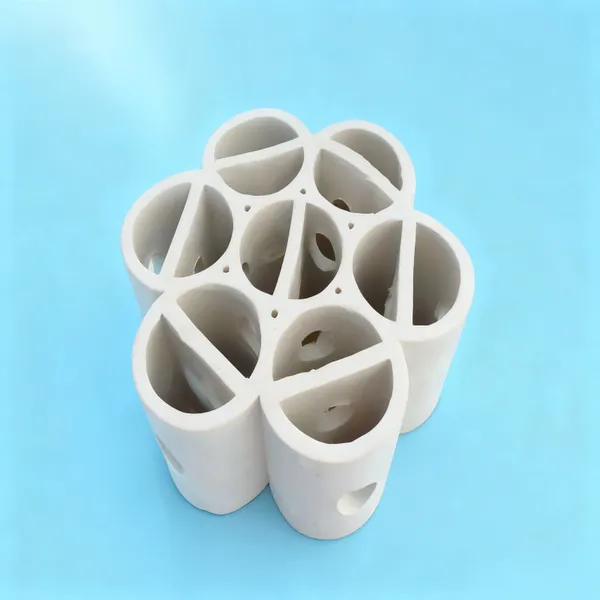
Pingxiang Daier Light Ceramic Combination Ring Structured Packing Replaceable for Petrochemical Distillation Absorption ScrubberNegotiableMOQ: 1 Cubic Meter
-
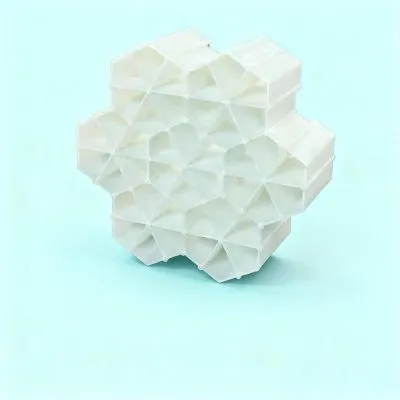
Pingxiang Daier Plastic Hexagonal Composite Ring Structured Packing PP/PVDF for Scrubber Tower Low Pressure Drop High Void RatioNegotiableMOQ: 1 Cubic Meter
-
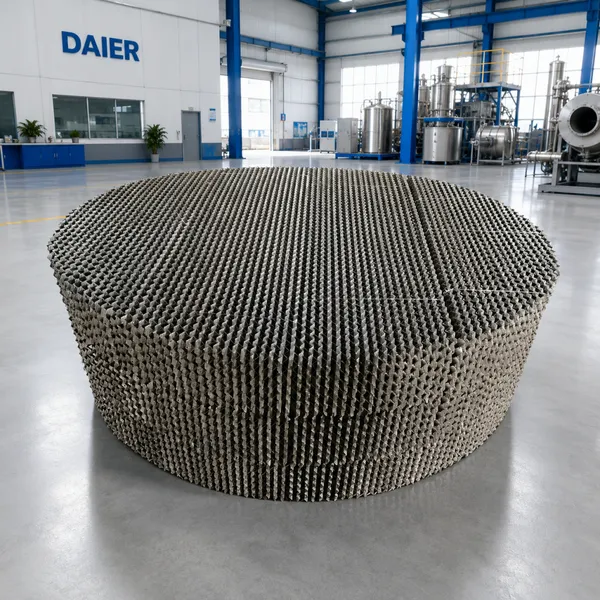
Pingxiang Daier Metal Corrugated Plate Structured Packing 125Y 250Y 350Y 500Y 700Y for Distillation Absorption ScrubbingNegotiableMOQ: 1 Cubic Meter
-
Pingxiang Daier Ceramic Structured Packing 100Y-700Y for Distillation, Absorption & Acid Gas ScrubbingNegotiableMOQ: 1 Cubic Meter
-
Pingxiang Daier Medium Alumina Inert Ceramic Ball (Al₂O₃ 17-23%) for Catalyst Support & Tower PackingNegotiableMOQ: 1 Cubic Meter
-
Pingxiang Daier High Alumina Ceramic Ball for Quenching, Scrubbing & Drying Towers – Inert PackingNegotiableMOQ: 1 Cubic Meter
-
Pingxiang Daier 92% Al₂O₃ High Alumina Inert Ceramic Ball Tower Packing for Catalyst Support & Reactor BedNegotiableMOQ: 1 Cubic Meter
-
Pingxiang Daier 92% Al2O3 High Alumina Inert Ceramic Ball Tower Packing for Catalyst Support & DistillationNegotiableMOQ: 1 Cubic Meter