 Business License

Pingxiang Daier Medium Alumina Ceramic Balls: Economic Packing Solution for Towers
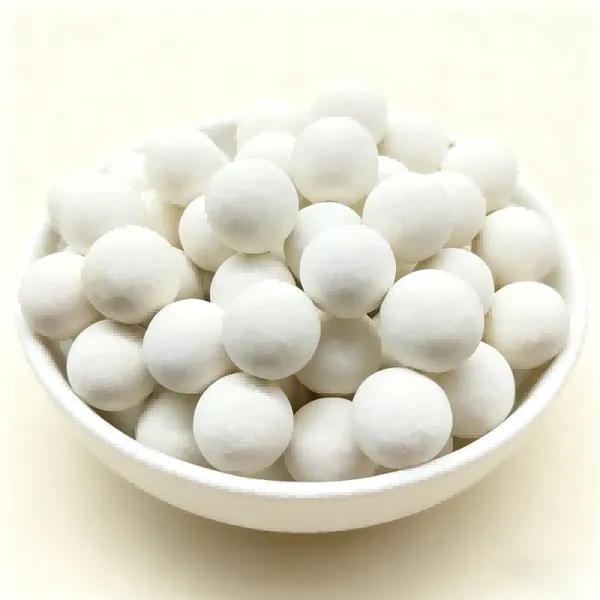
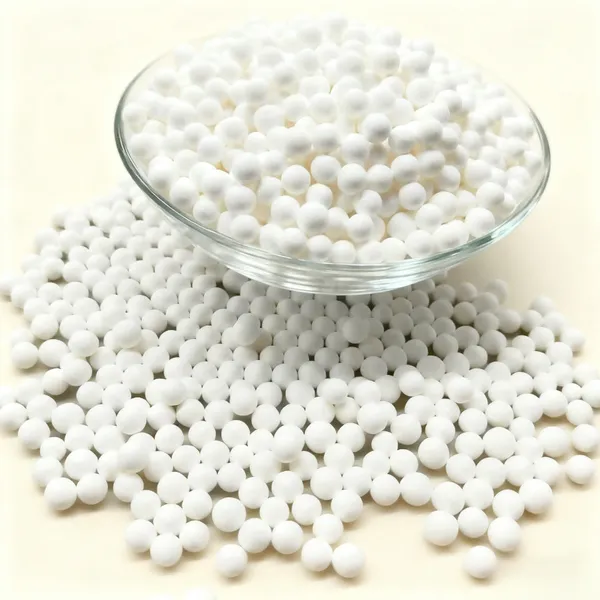
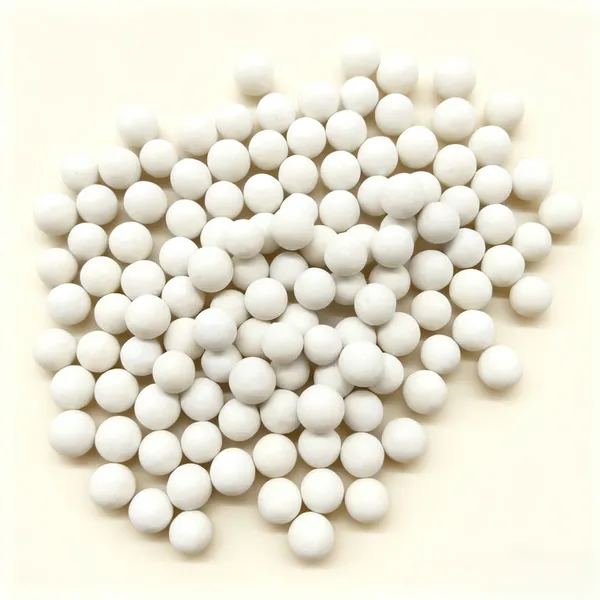
Medium Alumina Ceramic Balls: The Economic Choice for Moderate Process Conditions
In the selection of ceramic packing and catalyst support media, the engineering decision often comes down to a straightforward question: What is the actual operating temperature and chemical environment?
For reactors, dryers, and towers operating below 1100°C — which covers the majority of refining, petrochemical, and chemical processing equipment — medium alumina ceramic balls (Al₂O₃ 17-23%) deliver the required mechanical strength, chemical resistance, and thermal stability at a significantly lower cost than high‑alumina alternatives.
This article examines the engineering applications where Pingxiang Daier medium alumina ceramic balls are the optimal technical and economic choice — and why specifying the right grade for the service is a matter of sound engineering practice.
The Cost‑Performance Equation: Why Medium Alumina Makes Sense
The relationship between alumina content and performance is not linear. For service temperatures up to 1100°C, the additional alumina content in high‑alumina balls (≥ 92%) does not provide proportional performance benefits. The engineering consideration shifts from absolute performance to fit‑for‑purpose design.
| Evaluation Factor | Medium Alumina (17-23%) | High Alumina (≥ 92%) |
|---|---|---|
| Suitability for T ≤ 1100°C | Fully suitable | Over‑specified |
| Cost per unit volume | Base | 3‑5× higher |
| Crush strength | Adequate | Higher |
| Acid resistance | ≥ 99.6% | ≥ 98% |
| Best application | Moderate‑temperature reactors, dryers, scrubbers | High‑temperature reactors, severe corrosive service |
The engineering conclusion : For a large fraction of process equipment, medium alumina balls are the technically correct and economically responsible choice. Over‑specifying high‑alumina balls where they are not required increases capital expenditure without delivering additional value.
Application 1: Medium‑Temperature Fixed‑Bed Reactors
Many catalytic reactors in refineries and chemical plants operate in the 300‑700°C range — well within the temperature capability of medium alumina balls. In these services, the support media must provide:
Mechanical strength to support the catalyst bed weight
Chemical inertness to the process stream
Thermal stability under normal and upset conditions
DAIER medium alumina ball advantages :
Crush strength sufficient for bed depths up to 10 meters
Acid resistance ≥ 99.6% for services with acidic components
Uniform size and roundness for consistent void fraction and pressure drop
Cost‑effective replacement of high‑alumina balls where temperature does not justify the premium
Application 2: Dryers and Adsorbers in Natural Gas Processing
Molecular sieve and activated alumina dryers for natural gas, cracked gas, and process air require support media below and above the desiccant bed. The support layer serves multiple functions: retaining desiccant, preventing bed fluidization, and distributing gas flow evenly across the bed face.
Service conditions : Natural gas dehydration typically operates at 150‑350°C with moderate pressure. The support media is not exposed to severe corrosive attack or extreme thermal shock.
Why medium alumina : In this service, medium alumina balls provide all the required mechanical and thermal properties at an economical price point. High‑alumina balls — while technically acceptable — add cost without performance benefit, as the operating temperature never approaches the high‑alumina rating of 1400°C.
Application 3: Acid Gas Scrubbing (Moderate Acidity)
In scrubbers treating mild acid gases or where scrubbing liquor pH is near‑neutral, medium alumina balls provide excellent service life with acid resistance ≥ 99.6%. The low water absorption (<0.5%) prevents degradation from liquid penetration and freeze‑thaw cycles in outdoor installations.
Common scrubbing applications :
Ammonia scrubbing in urea and fertilizer plants
Light VOC absorption using water or oil
Dust and particulate scrubbing with near‑neutral liquor
SO₂ scrubbing where the absorber operates in the moderate temperature range
Application 4: Catalyst Bed Covering and Inlet Protection
In many reactors, a layer of ceramic balls is placed above the catalyst bed as a covering layer. This top layer serves to:
Protect the catalyst from the direct impact of incoming gas/liquid streams
Distribute the inlet flow across the full bed diameter
Prevent catalyst fluidization during high‑gas‑velocity operation
Act as a final filter for upstream debris
Because this covering layer is not subjected to high temperatures (the reactor inlet is typically cooled or the feed is preheated to moderate temperature), medium alumina balls are often the most practical and economical choice.
Technical Specifications — DAIER Medium Alumina Ball
| Parameter | Value |
|---|---|
| Al₂O₃ content | 17-23% |
| Al₂O₃ + SiO₂ | ≥ 92% |
| Fe₂O₃ content | ≤ 1% |
| Bulk density | 2.3‑2.4 g/cm³ |
| Water absorption | <0.5% |
| Acid resistance | ≥ 99.6% |
| Alkali resistance | ≥ 85% |
| Mohs hardness | ≥ 6.5 |
| Max operating temperature | 1100°C |
Available diameters : Φ3, Φ6, Φ8, Φ10, Φ13, Φ16, Φ19, Φ25, Φ30, Φ38, Φ50, Φ65, Φ70, Φ75 (mm)
Graded Bed Specification Guide
For most reactor and tower installations, a graded bed design achieves optimal performance:
| Layer Position | Recommended Ball Size | Function |
|---|---|---|
| Bottom (support grid) | 38‑75 mm | Structural support, high open area |
| Middle transition | 13‑38 mm | Load transfer, flow equalization |
| Top (adjacent to catalyst) | 3‑13 mm | Fine distribution, catalyst retention |
The graded design ensures mechanical integrity while minimizing pressure drop and preventing catalyst migration.
Installation Best Practices
Clean the tower : Remove all debris, scale, and loose material from the tower interior before installation
Inspect the support grid : Verify that grid openings are smaller than the smallest ball size
Mark fill levels : Draw level lines on the tower wall at each design height
Pour gently : Drop balls from no more than 1 meter height to prevent chipping
Level each layer : Use a rake or straightedge to ensure each layer is flat and uniform
Compact lightly : Light tamping helps settle the bed and reduce void migration during operation
Why DAIER Medium Alumina Ceramic Balls
Manufactured in Pingxiang, Jiangxi, China — the country's established industrial ceramic production center — DAIER's medium alumina ceramic balls are produced under ISO 9001:2015 certified conditions with batch‑level chemical and physical testing.
DAIER provides:
Full quality documentation with each shipment (chemical composition, physical properties, dimensional data)
Batch traceability from raw material to finished product
Technical support for bed design and sizing
Third‑party inspection (SGS, TÜV, BV) available on request
Recently Posted
-
Optimizing Gas Scrubbing Efficiency: Pingxiang Daier's Pressure Drop Solution with Plastic NUPAC Packing
September 20, 2026Industry Challenge: The Pressure Drop and Fouling Bottleneck in Gas ScrubbingIn chemical environmental engineering, gas scrubbing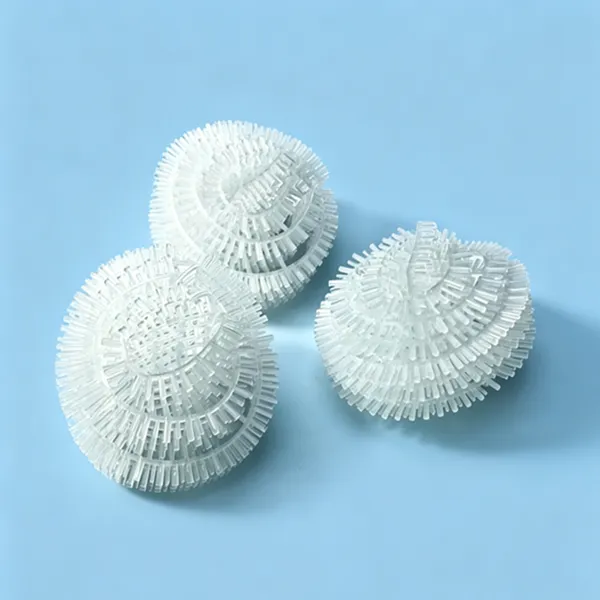 Read More
 -
Pingxiang Daier Engineering Guide: Optimizing Process Efficiency with Plastic Pall Ring in Scrubbers
September 18, 2026Introduction: The Engineer's Dilemma - Pressure Drop vs. HETPIn the design and retrofitting of chemical process systems, a com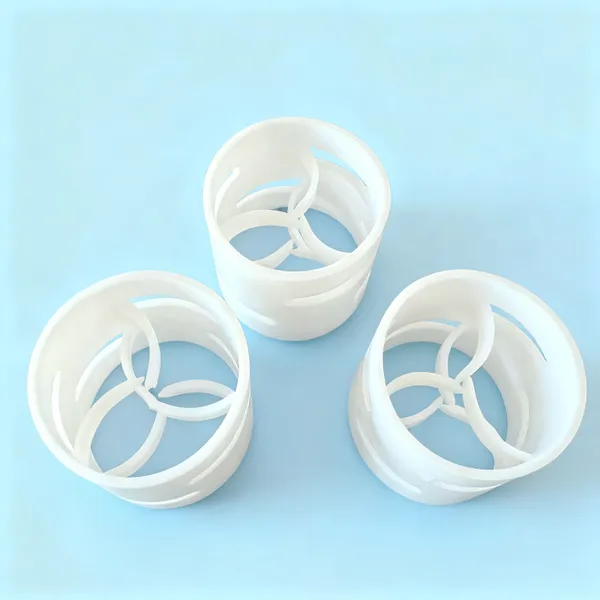 Read More
 -
Pingxiang Daier Engineering: How Ceramic Cascade Mini Rings Optimize High-Temp Acid Scrubbing Efficiency
September 18, 2026Introduction: The Engineering Limitations of Standard Packing in Aggressive EnvironmentsIn chemical process systems such as flue g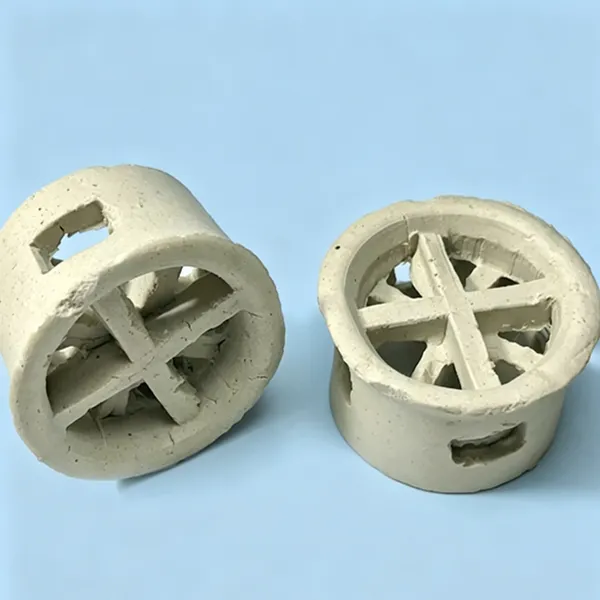 Read More
 -
Pingxiang Daier Engineering: How Plastic Super Intalox Saddle Rings Solve Scrubber Tower Bottlenecks
September 16, 2026Introduction: The Challenge of Capacity Bottlenecks in Scrubber TowersIn environmental engineering and chemical process systems, p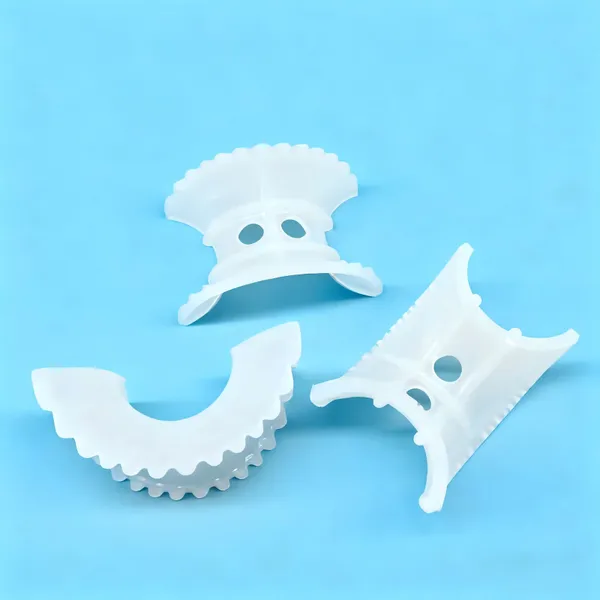 Read More

Contact Us
Recommended Products
-
 Pingxiang DAIER Plastic NUPAC Packing for Gas Scrubbing & Mass Transfer ColumnsNegotiableMOQ: 1 Cubic Meter
 -
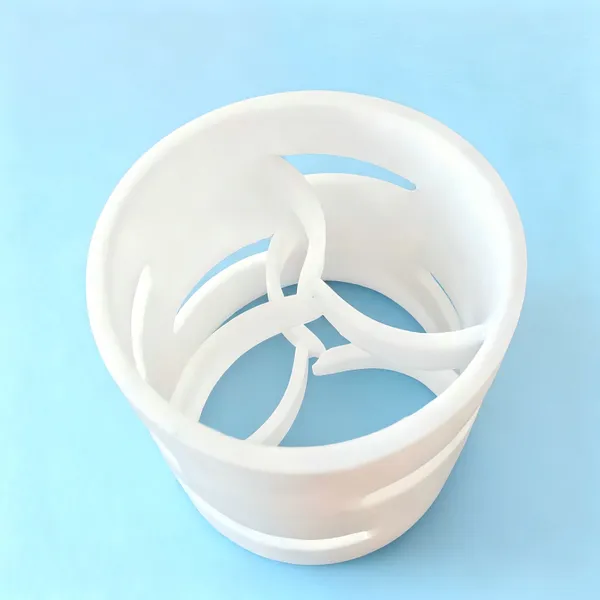
Pingxiang Daier Plastic Pall Ring | High-Throughput Random Packing for Gas Scrubbing & Mass Transfer SolutionsNegotiableMOQ: 1 Cubic Meter
-
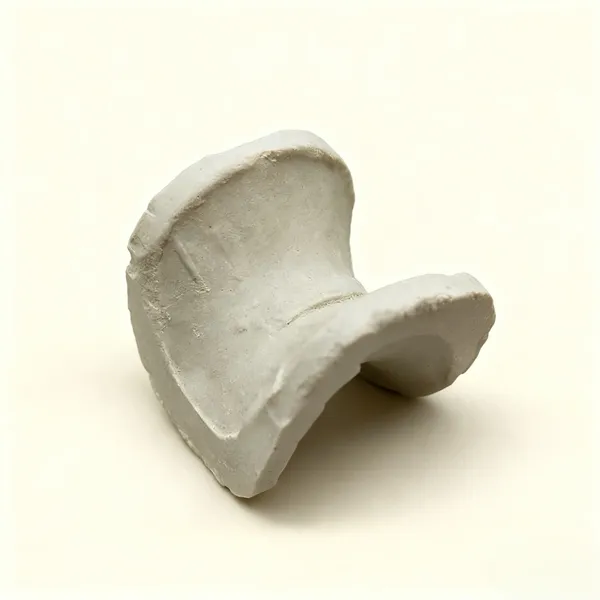
Pingxiang Daier Ceramic Berl Saddle | High-Temperature Acid Resistant Random Packing for Mass Transfer SolutionsNegotiableMOQ: 1 Cubic Meter
-
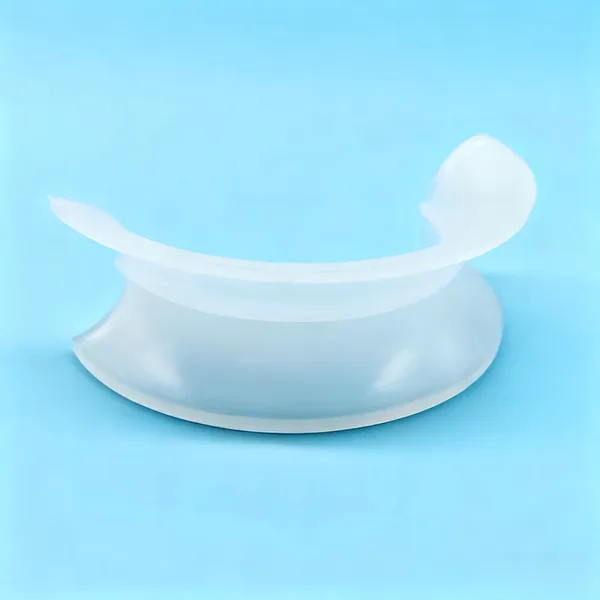
Pingxiang Daier Plastic Super Intalox Saddle Ring | High-Efficiency Random Packing for Advanced Gas ScrubbingNegotiableMOQ: 1 Cubic Meter
-
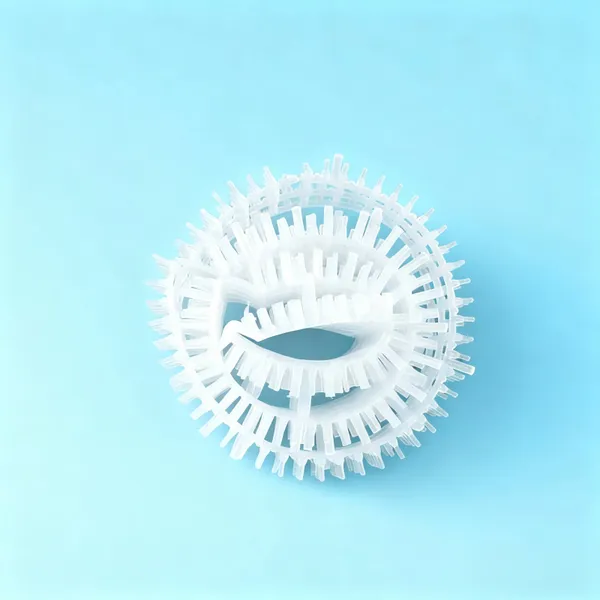
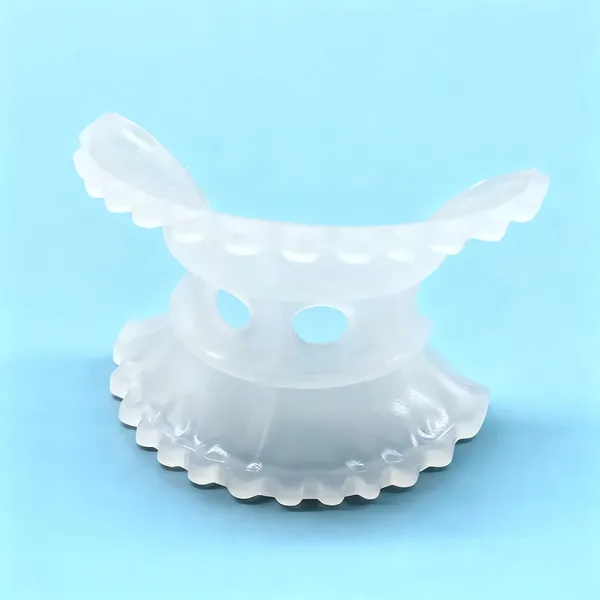
Pingxiang Daier Plastic Intalox Saddle Ring | Random Packing for Mass Transfer Solutions & Gas ScrubbingNegotiableMOQ: 1 Cubic Meter
-
Pingxiang Daier Plastic Liquid Surface Cover Ball | Mass Transfer Solutions & Tower Internals | Chemical Process Systems OptimizationNegotiableMOQ: 1 Cubic Meter
-
Pingxiang Daier Plastic Floating Hollow Ball for Acid Storage Tank & Water Treatment | DAIER SeparationNegotiableMOQ: 1 Cubic Meter
-
Pingxiang Daier Plastic Heilex Ring Random Tower Packing for Gas Scrubbing & AbsorptionNegotiableMOQ: 1 Cubic Meter
-
Pingxiang Daier Plastic Cascade Mini Ring Random Tower Packing for Absorption & ScrubbingNegotiableMOQ: 1 Cubic Meter
-
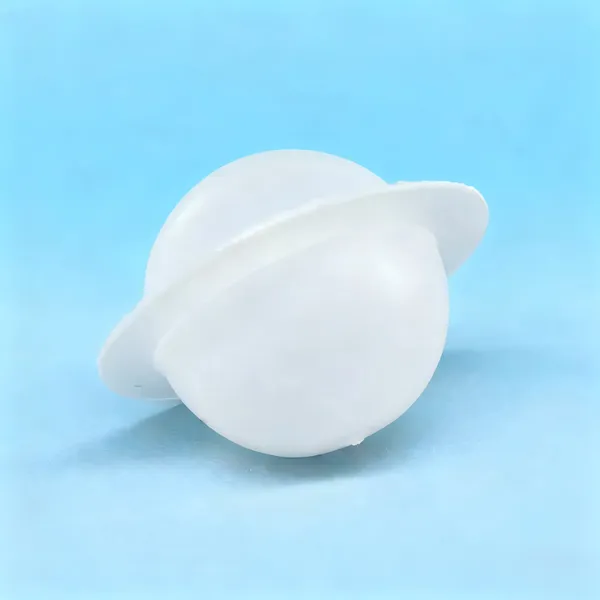
Pingxiang Daier Plastic Polyhedral Hollow Ball Random Tower Packing for Scrubbing & AbsorptionNegotiableMOQ: 1 Cubic Meter
-
Pingxiang Daier Corundum Wear-Resistance Ceramics Rotating Scraper for Balling & Bulk Material Handling | DAIER SeparationNegotiableMOQ: 1 Cubic Meter
-
Pingxiang Daier Double Labyrinth Sealed Ceramic Conveyor Roller for Mining & Bulk HandlingNegotiableMOQ: 1 Piece
-
Pingxiang Daier Plastic Perforated Plate Corrugated Structured Packing 125Y 250Y 350Y for Distillation Absorption ScrubberNegotiableMOQ: 1 Cubic Meter
-
Pingxiang Daier Light Ceramic Combination Ring Structured Packing Replaceable for Petrochemical Distillation Absorption ScrubberNegotiableMOQ: 1 Cubic Meter
-
Pingxiang Daier Plastic Hexagonal Composite Ring Structured Packing PP/PVDF for Scrubber Tower Low Pressure Drop High Void RatioNegotiableMOQ: 1 Cubic Meter
-
Pingxiang Daier Metal Corrugated Plate Structured Packing 125Y 250Y 350Y 500Y 700Y for Distillation Absorption ScrubbingNegotiableMOQ: 1 Cubic Meter
-
Pingxiang Daier Ceramic Structured Packing 100Y-700Y for Distillation, Absorption & Acid Gas ScrubbingNegotiableMOQ: 1 Cubic Meter
-
Pingxiang Daier Medium Alumina Inert Ceramic Ball (Al₂O₃ 17-23%) for Catalyst Support & Tower PackingNegotiableMOQ: 1 Cubic Meter
-
Pingxiang Daier High Alumina Ceramic Ball for Quenching, Scrubbing & Drying Towers – Inert PackingNegotiableMOQ: 1 Cubic Meter
-
Pingxiang Daier 92% Al₂O₃ High Alumina Inert Ceramic Ball Tower Packing for Catalyst Support & Reactor BedNegotiableMOQ: 1 Cubic Meter