 Business License

Optimizing HCl Scrubber Efficiency: A Guide to Thorny Flower Ring Packing Selection | Pingxiang Daier Separation Tech
The Industry Challenge: Why Environmental Scrubbing Systems Underperform
Moving Beyond Generic Packing Selection
In Waste Gas Treatment, environmental engineering, and chemical processing, tightening emission regulations demand higher removal efficiencies. Engineers frequently face a frustrating paradox: a scrubbing tower designed with sufficient height and liquid flow still fails to meet emission targets for HCl, SO₂, or Ammonia.
The root cause is often not the tower height, but insufficient gas-liquid surface renewal. When the packing media cannot continuously break and renew the liquid film, the HETP (Height Equivalent to a Theoretical Plate) degrades, resulting in poor absorption and excessive Pressure Drop.
Engineering Solution: How Thorny Flower Ring Packing Resolves System Bottlenecks
Surface Renewal as a Process Optimization Tool
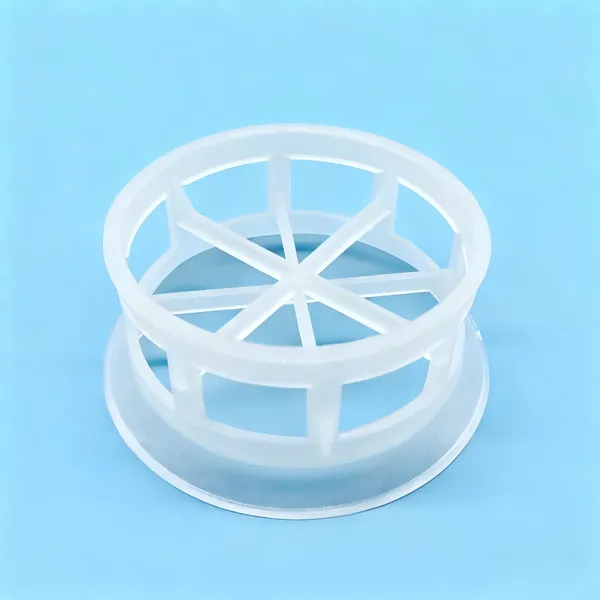
DAIER Chemical Packing provides Thorny Flower Ring Packing as a targeted solution for Gas Scrubbing and Absorption systems. Unlike conventional random packing that relies on static wetting, its thorny, multi-layered geometry forces continuous interfacial renewal.
By disrupting the liquid film boundary layer, the Thorny Flower Ring achieves a high effective mass transfer surface area without creating excessive gas resistance. This directly addresses:
Poor Removal Efficiency: Enhanced surface renewal increases the absorption rate of acidic gases.
High Pressure Drop: The optimized structure maintains a high Void Ratio (>92%), lowering fan energy consumption.
System Fouling: The open geometry minimizes stagnant zones that lead to salt accumulation in scrubbers.
The DAIER Standard: Material Integrity in Corrosive Scrubbing Environments
The Mandatory SS316L Constraint for HCl and SO₂ Service
In HCl Scrubbers and SO₂ Scrubbing systems, corrosion is the primary cause of tower internal failure. Whether dealing with the packing support system or liquid distributors, material degradation leads to structural collapse and unplanned downtime.
The DAIER Standard enforces a rigid material baseline for all metallic tower internals. When SS316L stainless steel is specified, it must have a Mo (Molybdenum) content ≥ 2.0%. This mandatory requirement is the only reliable defense against chloride pitting and stress corrosion cracking. Non-standard SS316L (with Mo content often falling between 1.6% and 1.8%) is strictly rejected in our Tower Internal Engineering process.
DAIER Material Specification Baseline:
Plastic Packing Media: Virgin PP, PE, PVDF, PTFE (No recycled content).
Metallic Internals (SS316L): Mo (Molybdenum) content ≥ 2.0% (Mandatory PMI verification upon delivery).
Diagnostic Framework for Plant Engineers
Symptom, Diagnostic, and Corrective Action
Pingxiang Daier Separation Tech approaches customer inquiries with an engineering mindset. Below is the diagnostic framework for common scrubbing system issues:
Symptom: Mist carryover and low removal efficiency.
Diagnostic: Check for liquid maldistribution and insufficient surface renewal in the packing bed.
Corrective Action: Replace existing packing with Thorny Flower Ring and integrate DAIER Liquid Distributors to ensure uniform liquid spreading.
Symptom: Rapid increase in Pressure Drop across the bed.
Diagnostic: Evaluate solids accumulation or packing deformation.
Corrective Action: Review the Void Ratio and anti-fouling characteristics. Thorny Flower Ring’s structure resists scaling better than dense mesh packings.
Symptom: Structural failure of support plates.
Diagnostic: Verify the material certification. Mo content in SS316L is often below specification in non-standard markets.
Corrective Action: Enforce the DAIER Standard (Mo ≥ 2.0%) for all metallic internals to ensure mechanical integrity under thermal cycling.
Engineering Review Request: Let Operating Data Drive the Design
We Do Not Quote Without Parameters
We do not sell standard catalog items. We provide Process Optimization through engineered Tower Internal solutions. To receive a packing selection and preliminary HETP calculation report for your specific Gas Scrubbing application, please provide:
Tower diameter and packed height
Gas flow rate, temperature, and pressure
Inlet concentration and target emission limit
Allowable Pressure Drop budget
Our engineering team, based in Pingxiang, Jiangxi, China, will evaluate your operating conditions and return an engineering review.
Location: High-Tech Industrial Park, Pingxiang, Jiangxi, China.
Recently Posted
-
High-Dust Scrubbing System Optimization: Crown Type Packing for VOC Treatment | Pingxiang Daier Separation Tech
September 30, 2026The Operational Reality: When Scrubbing Systems Face High Solid LoadsBeyond Standard Packing SelectionIn Environmental Engineering Read More
 -
Gas Scrubbing System Optimization: Teller Rosette Ring Packing Solutions | Pingxiang Daier Separation Tech
September 28, 2026The Engineering Challenge: Mitigating Pressure Drop and Fouling in Gas Scrubbing SystemsWhy System-Level Engineering Matters More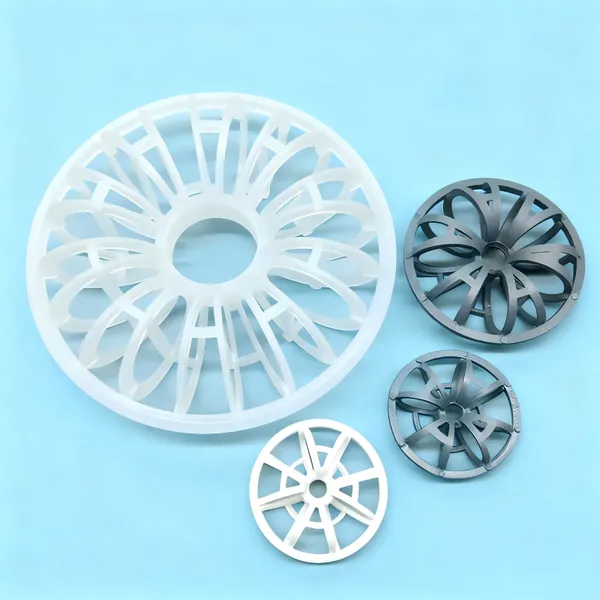 Read More
 -
Maximizing Separation Efficiency: Pingxiang Daier's Plastic Snowflake Ring for Reagent Reduction
September 24, 2026Industry Challenge: The High Cost of Insufficient Gas-Liquid ContactIn fine chemical processing, high-purity absorption, and envir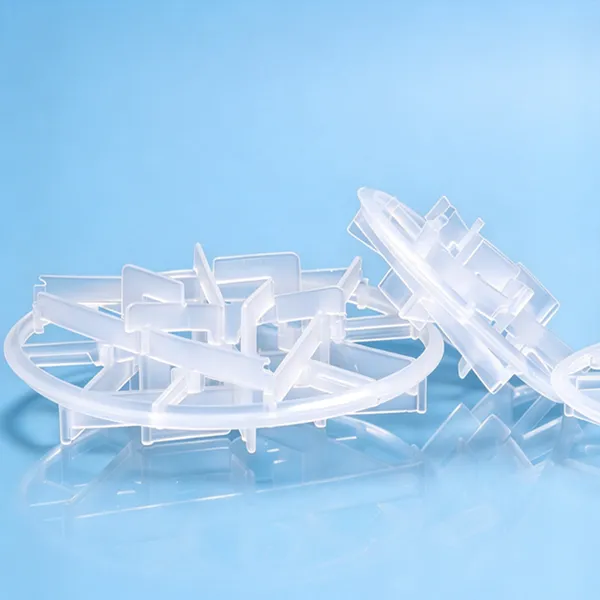 Read More
 -
Cost-Effective Corrosion Resistance: Pingxiang Daier's Plastic Raschig Ring for Harsh Scrubbing Environments
September 23, 2026Industry Challenge: Balancing Capital Cost and Corrosion ResistanceIn chemical processing and environmental engineering, handling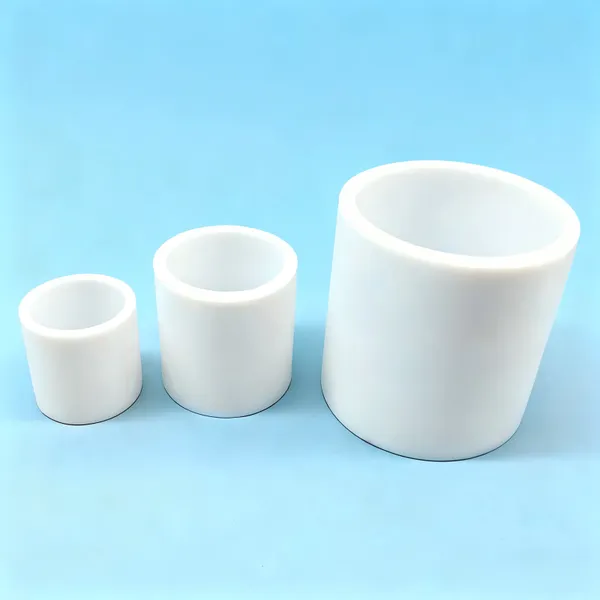 Read More

Contact Us
Recommended Products
-
 Pingxiang Daier Kostar Garland (Crown Type Teller Rosette Ring) | DAIER Chemical Packing for High Load Scrubbing | Robust Tower Internal EngineeringNegotiableMOQ: 1 Cubic Meter
 -
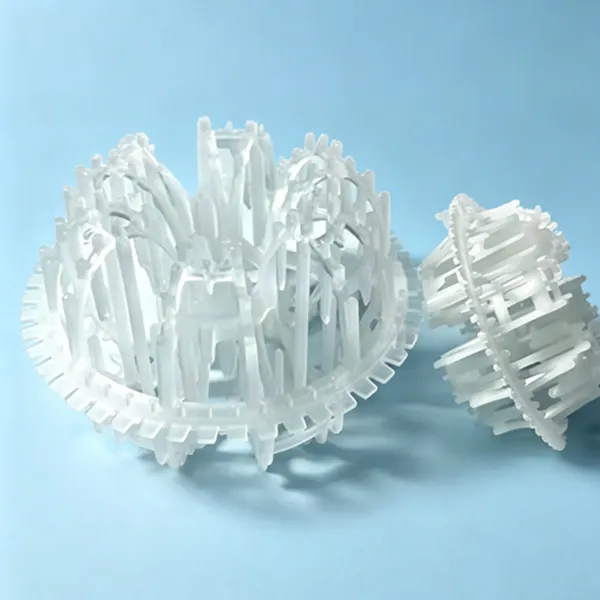
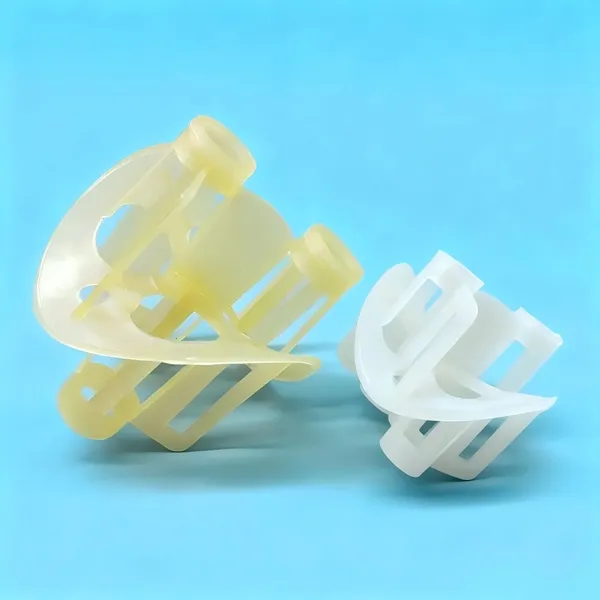
Pingxiang Daier Thorny Flower Ring Packing | DAIER Chemical Packing for Gas Scrubbing, Distillation | High Surface Area Mass Transfer MediaNegotiableMOQ: 1 Cubic Meter
-
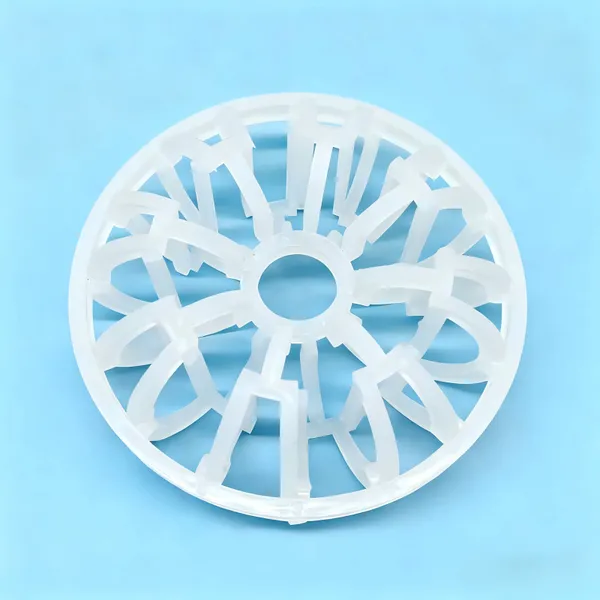
Pingxiang Daier Plastic Teller Rosette Ring Packing | DAIER Chemical Packing for Gas Scrubbing, VOC Treatment | Low Pressure Drop Mass Transfer MediaNegotiableMOQ: 1 Cubic Meter
-
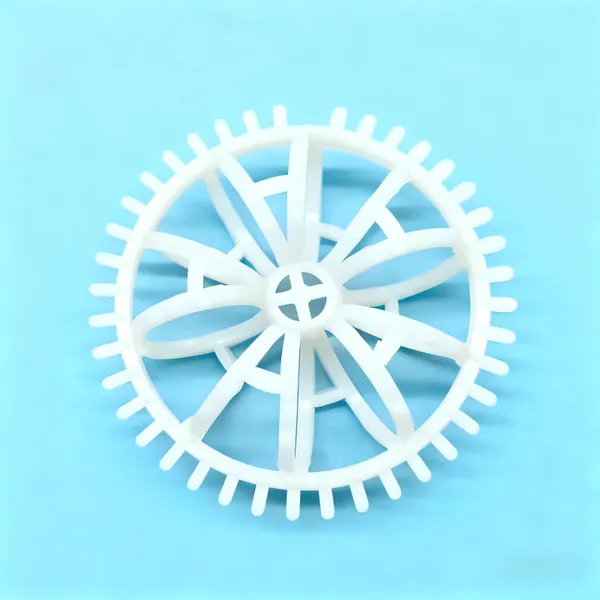
Pingxiang DAIER Plastic Snowflake Ring for Gas Scrubbing & AbsorptionNegotiableMOQ: 1 Cubic Meter
-
Pingxiang DAIER Plastic Raschig Ring for Gas Scrubbing & AbsorptionNegotiableMOQ: 1 Cubic Meter
-
Pingxiang DAIER Plastic Q-Pack for Gas Scrubbing & Mass TransferNegotiableMOQ: 1 Cubic Meter
-
Pingxiang DAIER Plastic Tri Pack for Gas Scrubbing & Mass TransferNegotiableMOQ: 1 Cubic Meter
-
Pingxiang DAIER Plastic NUPAC Packing for Gas Scrubbing & Mass Transfer ColumnsNegotiableMOQ: 1 Cubic Meter
-
Pingxiang Daier Plastic Pall Ring | High-Throughput Random Packing for Gas Scrubbing & Mass Transfer SolutionsNegotiableMOQ: 1 Cubic Meter
-
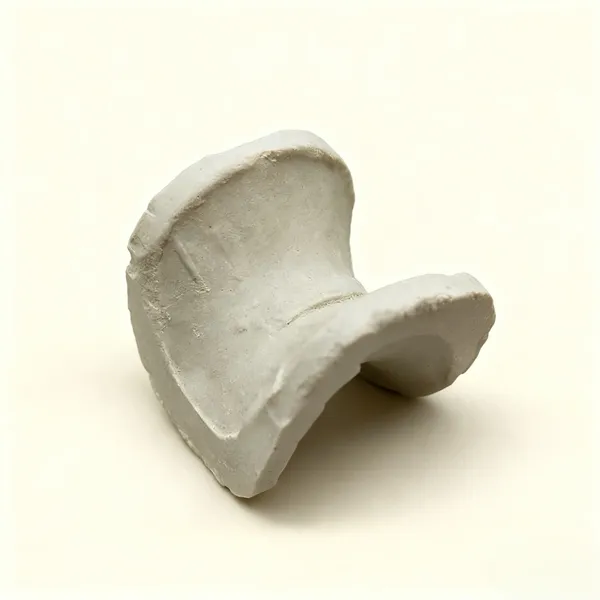
Pingxiang Daier Ceramic Berl Saddle | High-Temperature Acid Resistant Random Packing for Mass Transfer SolutionsNegotiableMOQ: 1 Cubic Meter

-
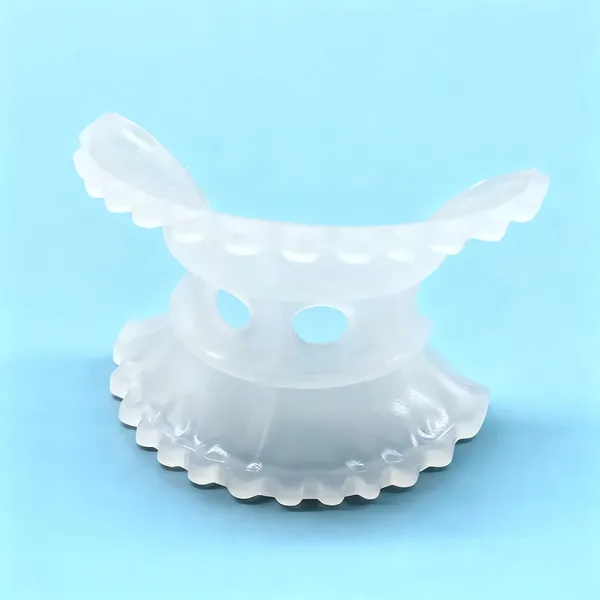
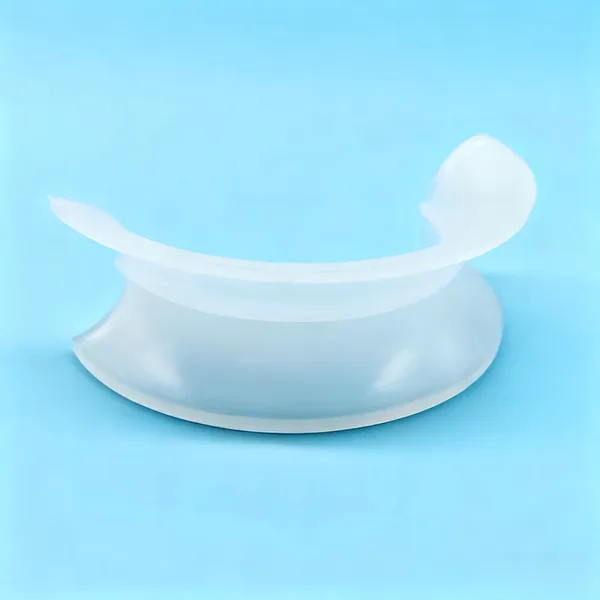
Pingxiang Daier Plastic Super Intalox Saddle Ring | High-Efficiency Random Packing for Advanced Gas ScrubbingNegotiableMOQ: 1 Cubic Meter
-
Pingxiang Daier Plastic Intalox Saddle Ring | Random Packing for Mass Transfer Solutions & Gas ScrubbingNegotiableMOQ: 1 Cubic Meter
-
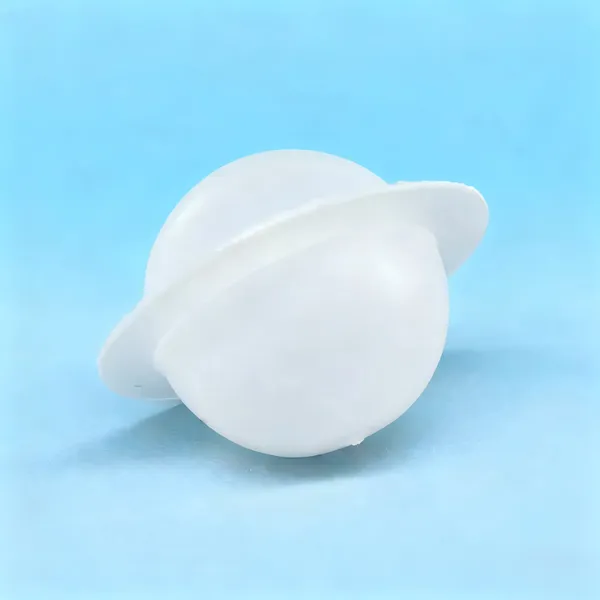
Pingxiang Daier Plastic Liquid Surface Cover Ball | Mass Transfer Solutions & Tower Internals | Chemical Process Systems OptimizationNegotiableMOQ: 1 Cubic Meter
-
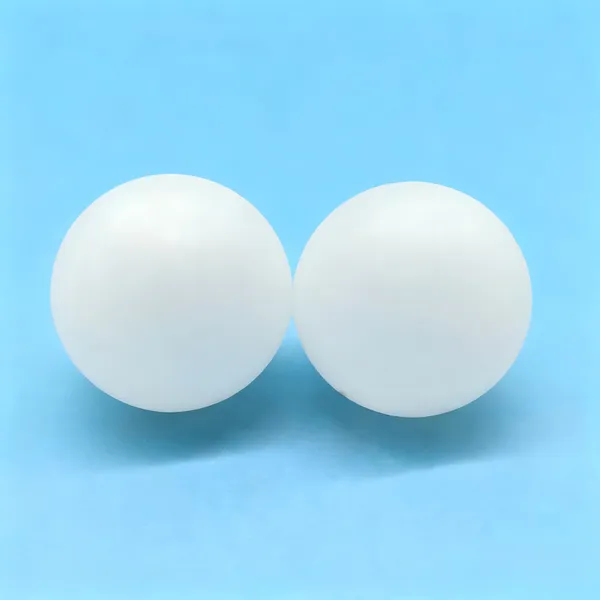
Pingxiang Daier Plastic Floating Hollow Ball for Acid Storage Tank & Water Treatment | DAIER SeparationNegotiableMOQ: 1 Cubic Meter
-
Pingxiang Daier Plastic Heilex Ring Random Tower Packing for Gas Scrubbing & AbsorptionNegotiableMOQ: 1 Cubic Meter
-
Pingxiang Daier Plastic Cascade Mini Ring Random Tower Packing for Absorption & ScrubbingNegotiableMOQ: 1 Cubic Meter
-
Pingxiang Daier Plastic Polyhedral Hollow Ball Random Tower Packing for Scrubbing & AbsorptionNegotiableMOQ: 1 Cubic Meter
-
Pingxiang Daier Corundum Wear-Resistance Ceramics Rotating Scraper for Balling & Bulk Material Handling | DAIER SeparationNegotiableMOQ: 1 Cubic Meter
-
Pingxiang Daier Double Labyrinth Sealed Ceramic Conveyor Roller for Mining & Bulk HandlingNegotiableMOQ: 1 Piece
-
Pingxiang Daier Plastic Perforated Plate Corrugated Structured Packing 125Y 250Y 350Y for Distillation Absorption ScrubberNegotiableMOQ: 1 Cubic Meter