 Business License

High-Dust Scrubbing System Optimization: Crown Type Packing for VOC Treatment | Pingxiang Daier Separation Tech
The Operational Reality: When Scrubbing Systems Face High Solid Loads
Beyond Standard Packing Selection
In Environmental Engineering and Waste Gas Treatment applications such as industrial incinerators, cement kilns, and high-dust petrochemical processes, the scrubber faces an operational hazard that standard design manuals often underestimate: solid particulate loading.
High-dust inlet gas streams cause conventional random packing to fail prematurely. The accumulation of particulate matter within the packing voids leads to rapid increases in Pressure Drop, liquid maldistribution, and in severe cases, structural deformation of the packed bed. When the packed bed deforms, the entire column's Distillation Efficiency and absorption capacity degrade rapidly.
Systems Approach: Engineering the Packing for Particulate-Heavy Service
How Kostar Garland Resolves Systemic Packing Failures
Process Optimization in high-dust VOC Treatment and scrubbing systems requires a packing media that resists physical interlocking and structural collapse under load.
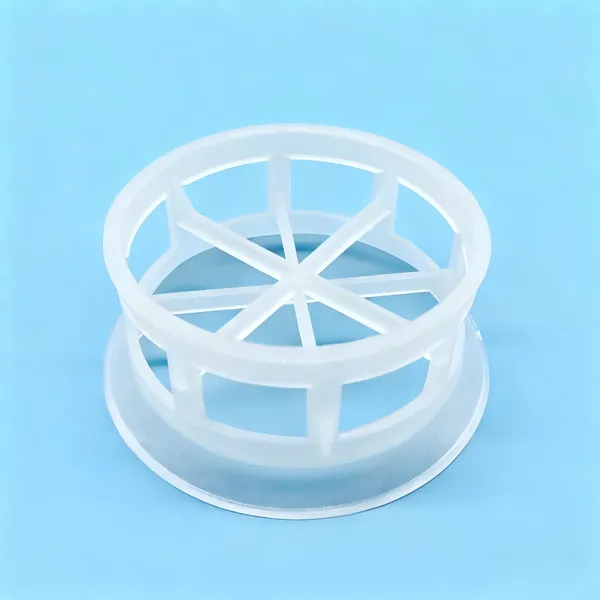
Pingxiang Daier Separation Tech provides the DAIER Chemical Packing Kostar Garland (Crown Type Plastic Teller Rosette Ring) specifically engineered for this system-level challenge. Its crown-type geometry is not simply about surface area; it is about structural resilience in fouling service. The design allows:
Particulate Passage: The open, crown-like structure prevents solids from bridging across packing voids, maintaining gas flow channels.
Resistance to Interlocking: The multi-point contact structure maintains its shape under high mechanical loads, preventing deep-bed compaction.
Sustained Low Pressure Drop: By resisting fouling and deformation, the system fan energy consumption remains stable over extended operating cycles.
The DAIER Standard: Material Integrity in Corrosive Scrubbing Systems
The Mandatory SS316L Molybdenum Constraint for Tower Internals
In high-dust scrubbing systems, the packing media cannot function without robust support systems. Support Plates, Support Grids, and Liquid Distributors must withstand both the mechanical weight of the deep bed and the corrosive nature of the scrubbing liquid (such as HCl or SO₂ scrubbing liquors).
The DAIER Standard mandates a strict material baseline for all metallic Tower Internal Engineering components. When SS316L stainless steel is specified, it must have a Mo (Molybdenum) content ≥ 2.0%. This is the only reliable defense against chloride pitting and stress corrosion cracking. Non-standard SS316L (with unstable Mo content of 1.6%-1.8%) leads to premature structural failure and system downtime.
DAIER Material Specification Baseline:
Plastic Media: Virgin PP, PE, PVDF, PTFE (No recycled content allowed).
Metallic Internals (SS316L): Mo (Molybdenum) content ≥ 2.0% (Mandatory PMI verification upon delivery).
Diagnostic Framework for Plant Engineers
Symptom, Diagnostic, and Corrective Action
Plant operators and process engineers can use this framework to evaluate high-dust scrubbing system issues:
Symptom: Rapid increase in Pressure Drop across the packed bed.
Diagnostic: Analyze the particulate loading and packing void blockage.
Corrective Action: Replace standard packing with Kostar Garland (Crown Type) to utilize its anti-fouling, high-void-ratio geometry and restore stable gas flow.
Symptom: Reduced scrubbing efficiency (drop in absorption rate).
Diagnostic: Check for liquid maldistribution and channeling caused by bed compaction.
Corrective Action: Integrate Kostar Garland Packing with DAIER Liquid Distributors and Collector Redistributors to re-establish uniform liquid flow across the tower cross-section.
Symptom: Structural deformation or collapse of the bottom packing layers.
Diagnostic: Verify the crush strength and material certification of the support plates.
Corrective Action: Enforce the DAIER Standard (SS316L Mo ≥ 2.0%) for all metallic internal components to ensure mechanical integrity under heavy static and dynamic loads.
Engineering Review Request: Data-Driven Process Optimization
We Do Not Quote Without Parameters
We do not sell commodity packing. We provide engineered Mass Transfer Solutions for complex process systems. To receive a packing selection and preliminary HETP calculation report for your specific high-dust or high-load scrubbing application, please provide:
Tower diameter and packed bed height
Inlet gas flow rate, temperature, and particulate concentration
Media composition and corrosivity
Allowable Pressure Drop budget
Our engineering team, based in Pingxiang, Jiangxi, China, will evaluate your operating conditions and return a system-level engineering review.
Location: High-Tech Industrial Park, Pingxiang, Jiangxi, China.
Recently Posted
-
Optimizing HCl Scrubber Efficiency: A Guide to Thorny Flower Ring Packing Selection | Pingxiang Daier Separation Tech
September 29, 2026The Industry Challenge: Why Environmental Scrubbing Systems UnderperformMoving Beyond Generic Packing SelectionIn Waste Gas Treatm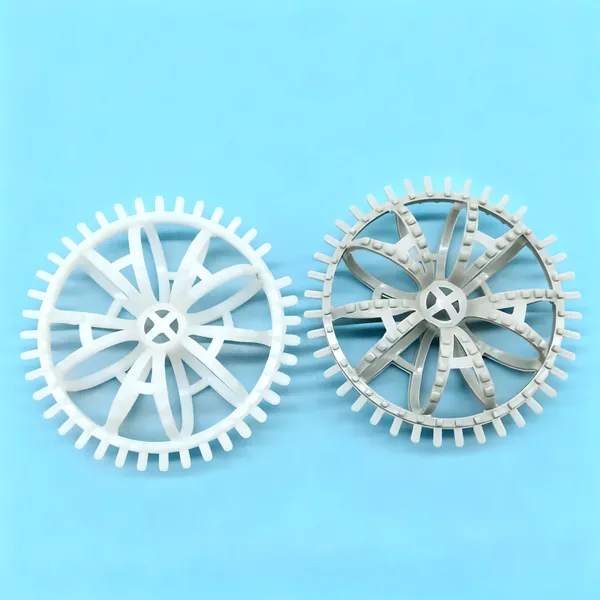 Read More
 -
Gas Scrubbing System Optimization: Teller Rosette Ring Packing Solutions | Pingxiang Daier Separation Tech
September 28, 2026The Engineering Challenge: Mitigating Pressure Drop and Fouling in Gas Scrubbing SystemsWhy System-Level Engineering Matters More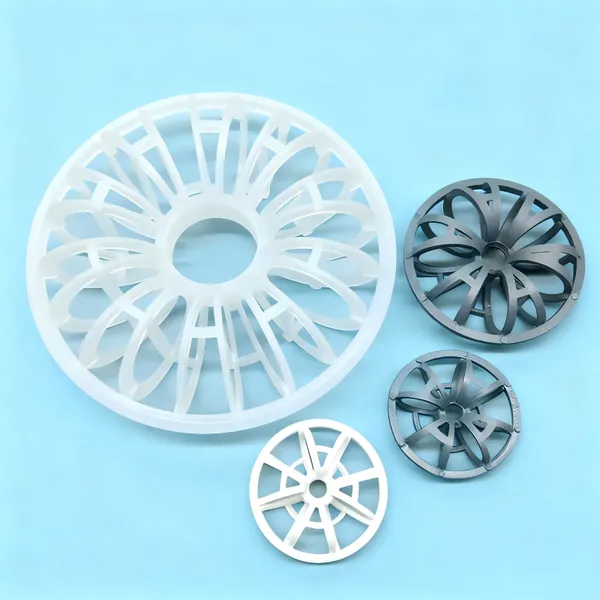 Read More
 -
Maximizing Separation Efficiency: Pingxiang Daier's Plastic Snowflake Ring for Reagent Reduction
September 24, 2026Industry Challenge: The High Cost of Insufficient Gas-Liquid ContactIn fine chemical processing, high-purity absorption, and envir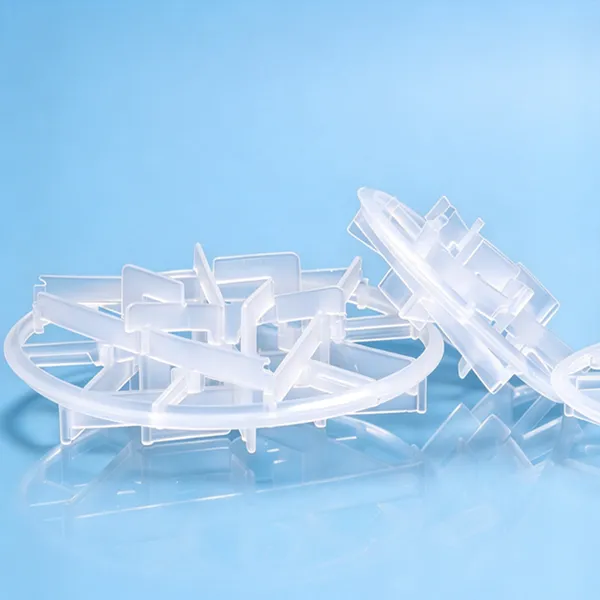 Read More
 -
Cost-Effective Corrosion Resistance: Pingxiang Daier's Plastic Raschig Ring for Harsh Scrubbing Environments
September 23, 2026Industry Challenge: Balancing Capital Cost and Corrosion ResistanceIn chemical processing and environmental engineering, handling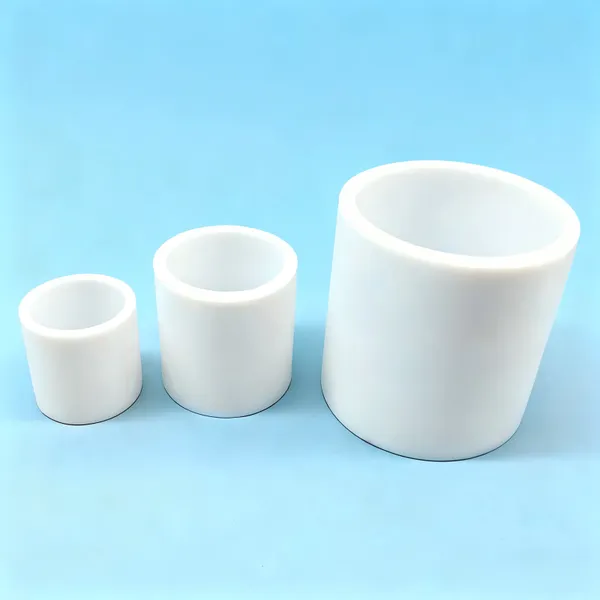 Read More

Contact Us
Recommended Products
-
 Pingxiang Daier Kostar Garland (Crown Type Teller Rosette Ring) | DAIER Chemical Packing for High Load Scrubbing | Robust Tower Internal EngineeringNegotiableMOQ: 1 Cubic Meter
 -
Pingxiang Daier Thorny Flower Ring Packing | DAIER Chemical Packing for Gas Scrubbing, Distillation | High Surface Area Mass Transfer MediaNegotiableMOQ: 1 Cubic Meter
-
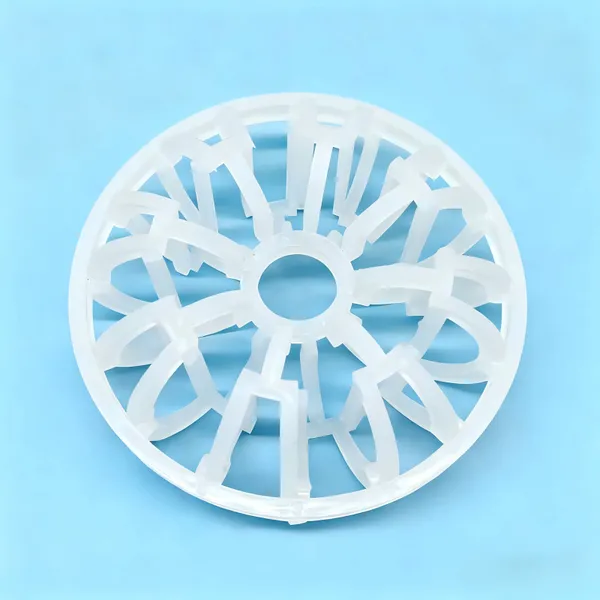
Pingxiang Daier Plastic Teller Rosette Ring Packing | DAIER Chemical Packing for Gas Scrubbing, VOC Treatment | Low Pressure Drop Mass Transfer MediaNegotiableMOQ: 1 Cubic Meter
-
Pingxiang DAIER Plastic Snowflake Ring for Gas Scrubbing & AbsorptionNegotiableMOQ: 1 Cubic Meter
-
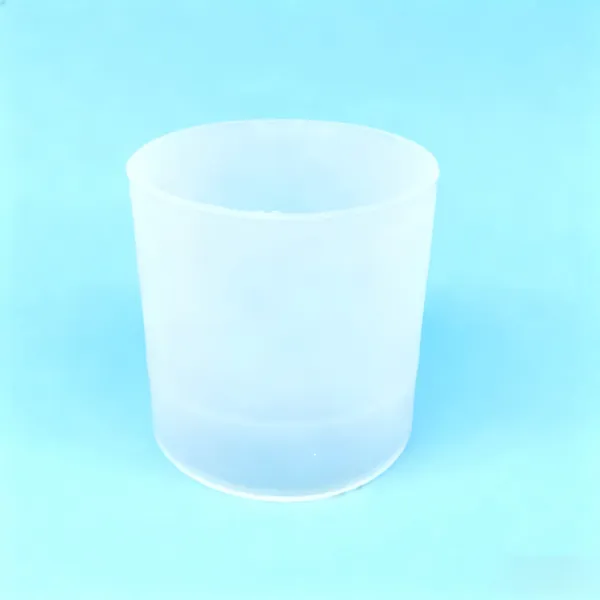
Pingxiang DAIER Plastic Raschig Ring for Gas Scrubbing & AbsorptionNegotiableMOQ: 1 Cubic Meter
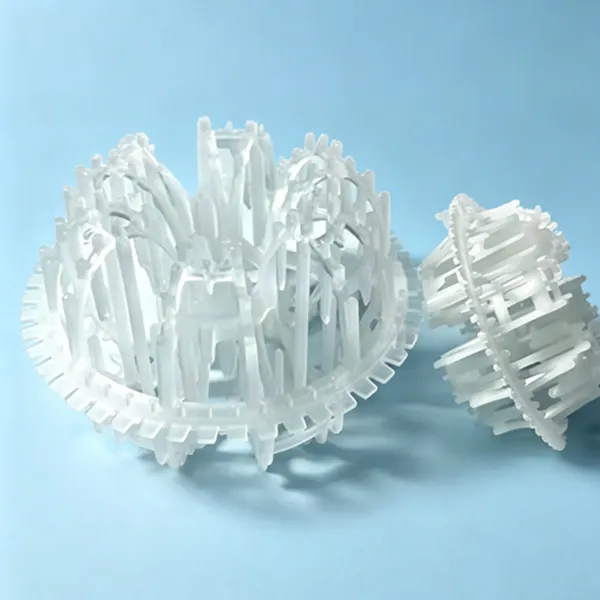
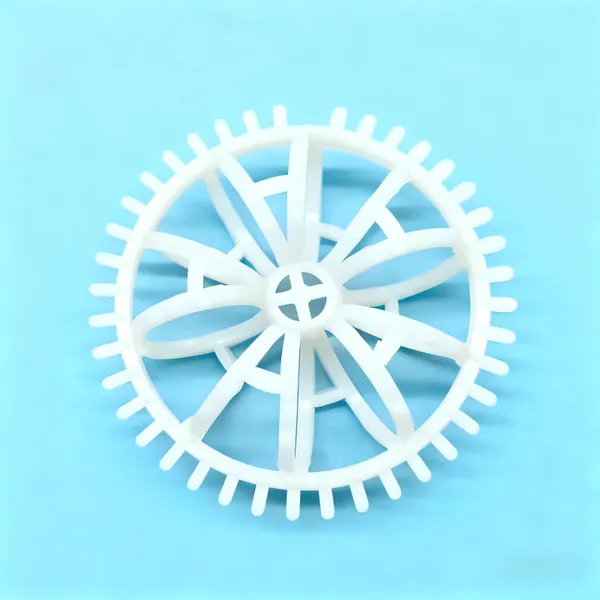
-
Pingxiang DAIER Plastic Q-Pack for Gas Scrubbing & Mass TransferNegotiableMOQ: 1 Cubic Meter
-
Pingxiang DAIER Plastic Tri Pack for Gas Scrubbing & Mass TransferNegotiableMOQ: 1 Cubic Meter
-
Pingxiang DAIER Plastic NUPAC Packing for Gas Scrubbing & Mass Transfer ColumnsNegotiableMOQ: 1 Cubic Meter
-
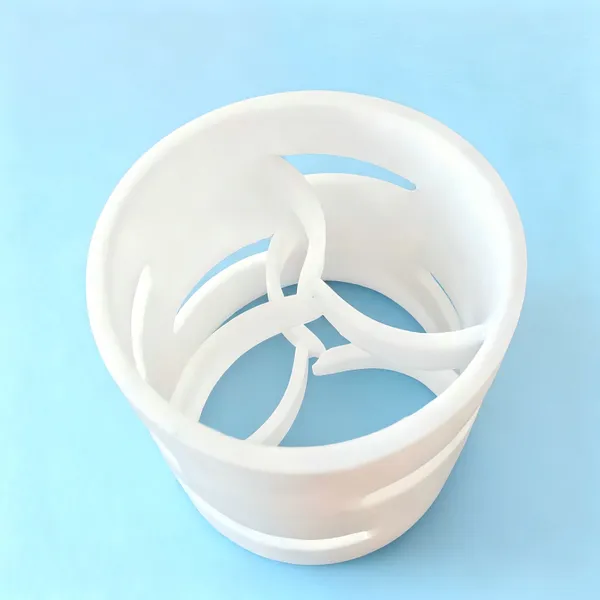
Pingxiang Daier Plastic Pall Ring | High-Throughput Random Packing for Gas Scrubbing & Mass Transfer SolutionsNegotiableMOQ: 1 Cubic Meter
-
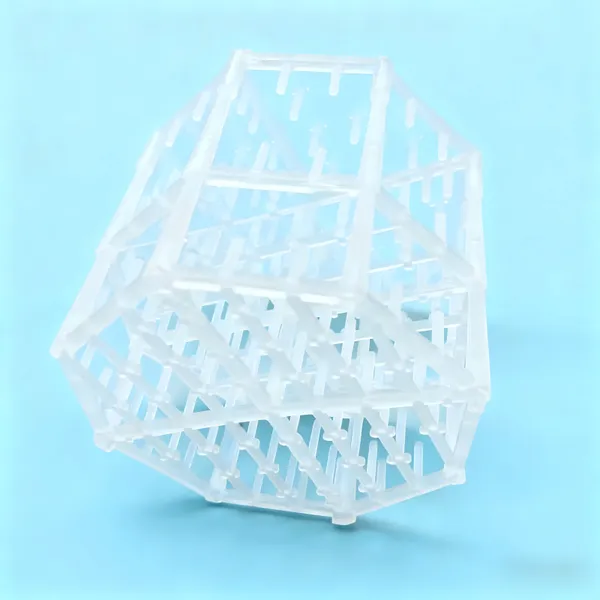
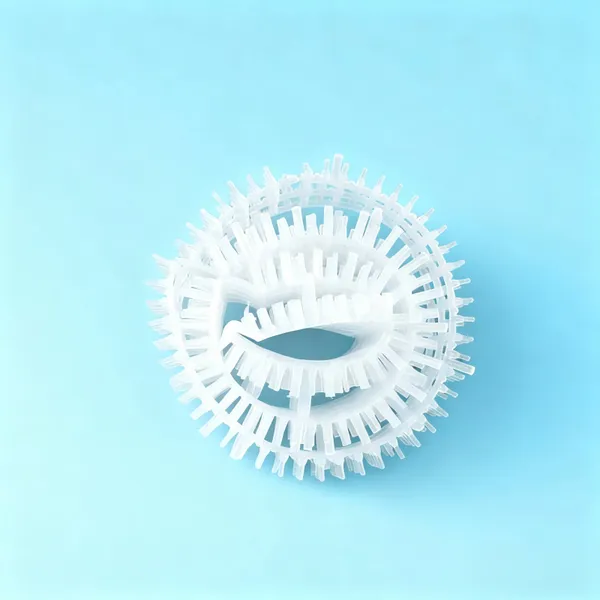
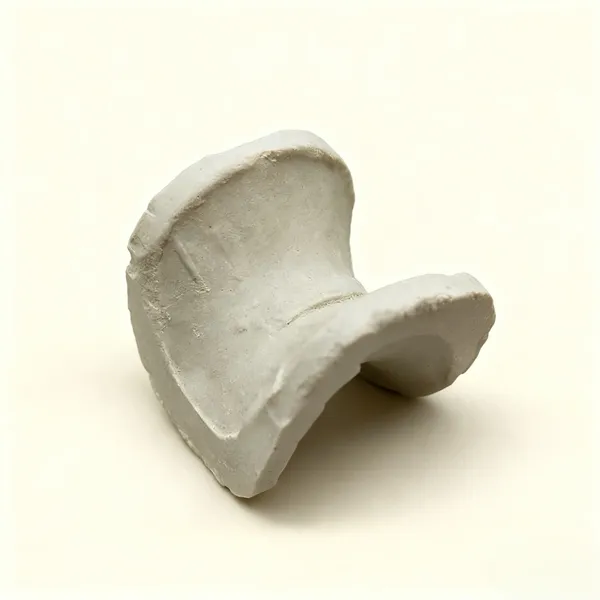
Pingxiang Daier Ceramic Berl Saddle | High-Temperature Acid Resistant Random Packing for Mass Transfer SolutionsNegotiableMOQ: 1 Cubic Meter
-
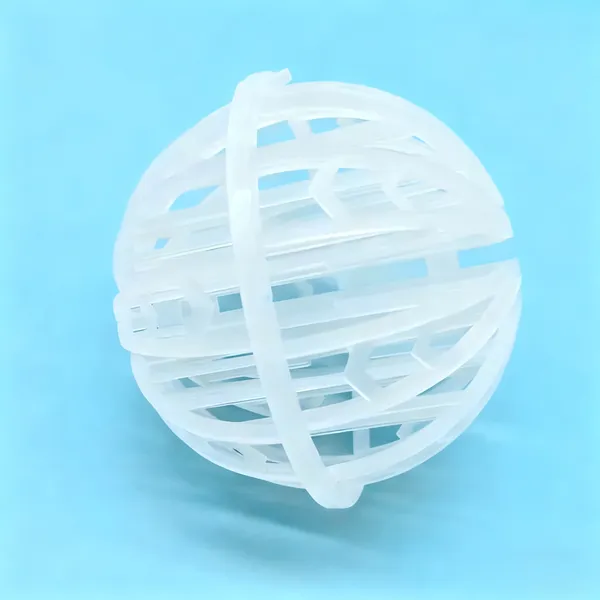
Pingxiang Daier Plastic Super Intalox Saddle Ring | High-Efficiency Random Packing for Advanced Gas ScrubbingNegotiableMOQ: 1 Cubic Meter
-
Pingxiang Daier Plastic Intalox Saddle Ring | Random Packing for Mass Transfer Solutions & Gas ScrubbingNegotiableMOQ: 1 Cubic Meter
-
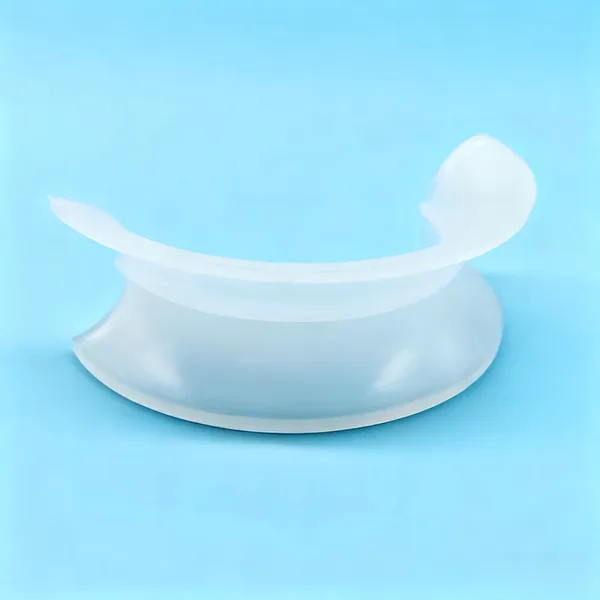
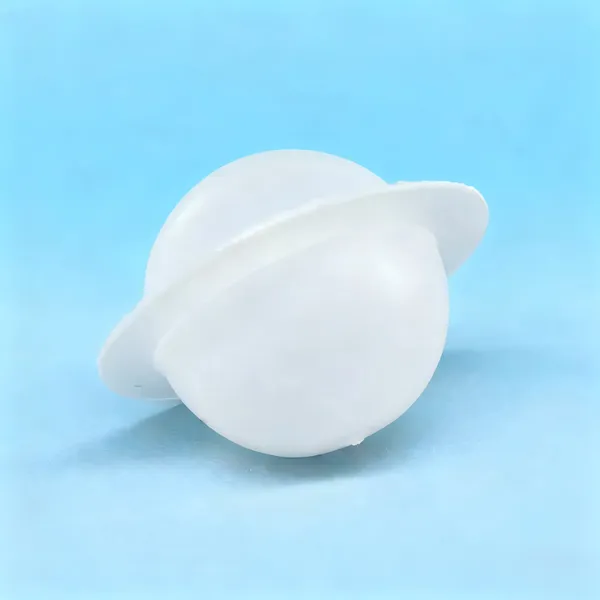
Pingxiang Daier Plastic Liquid Surface Cover Ball | Mass Transfer Solutions & Tower Internals | Chemical Process Systems OptimizationNegotiableMOQ: 1 Cubic Meter
-
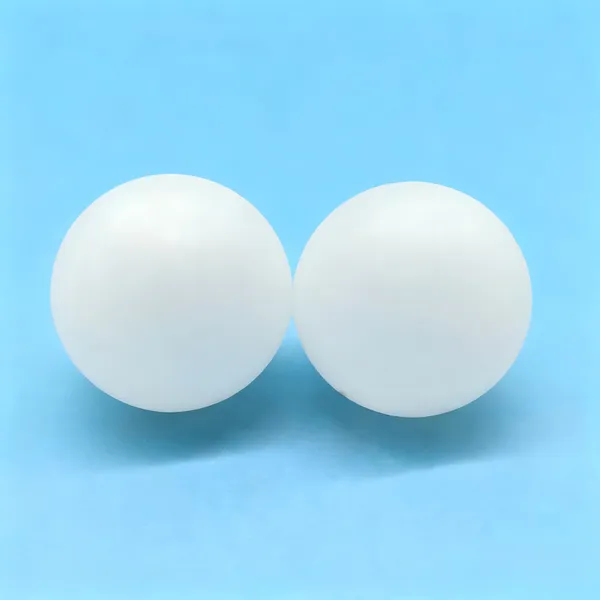
Pingxiang Daier Plastic Floating Hollow Ball for Acid Storage Tank & Water Treatment | DAIER SeparationNegotiableMOQ: 1 Cubic Meter
-
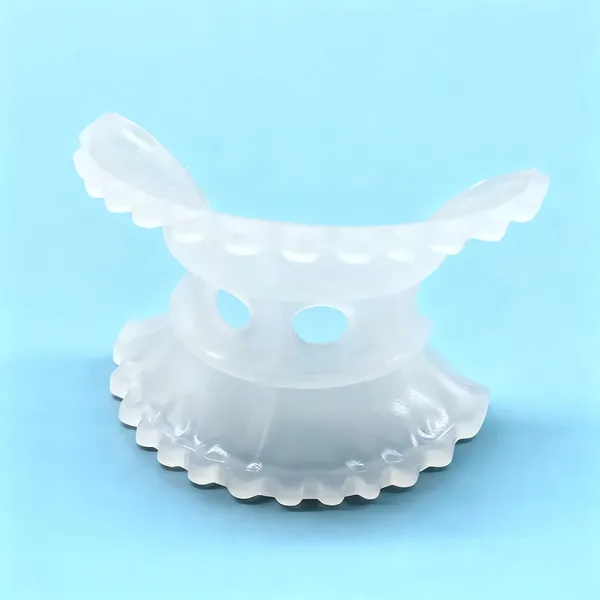
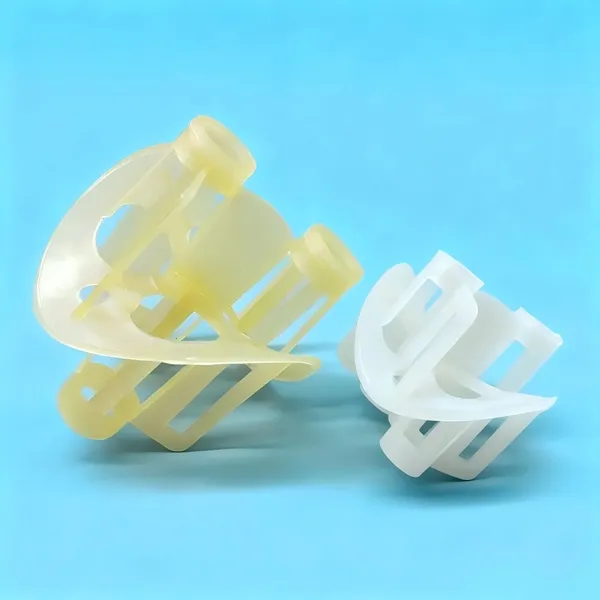
Pingxiang Daier Plastic Heilex Ring Random Tower Packing for Gas Scrubbing & AbsorptionNegotiableMOQ: 1 Cubic Meter
-
Pingxiang Daier Plastic Cascade Mini Ring Random Tower Packing for Absorption & ScrubbingNegotiableMOQ: 1 Cubic Meter
-
Pingxiang Daier Plastic Polyhedral Hollow Ball Random Tower Packing for Scrubbing & AbsorptionNegotiableMOQ: 1 Cubic Meter
-
Pingxiang Daier Corundum Wear-Resistance Ceramics Rotating Scraper for Balling & Bulk Material Handling | DAIER SeparationNegotiableMOQ: 1 Cubic Meter
-
Pingxiang Daier Double Labyrinth Sealed Ceramic Conveyor Roller for Mining & Bulk HandlingNegotiableMOQ: 1 Piece
-
Pingxiang Daier Plastic Perforated Plate Corrugated Structured Packing 125Y 250Y 350Y for Distillation Absorption ScrubberNegotiableMOQ: 1 Cubic Meter