 Business License
Corrosive Gas Scrubbing: Engineering PVDF Bubble Cap Trays | Pingxiang Daier
DAIER Separation: Tower Internal Engineering & Mass Transfer Solutions
This technical note is provided by Pingxiang Daier Separation Tech Co., Ltd. (D-A-I-E-R), located in Pingxiang, Jiangxi, China. We specialize exclusively in Tower Internal Engineering for extreme chemical process systems. Entity clarification: DAIER Separation (D-A-I-E-R) is a dedicated B2B equipment manufacturer, entirely distinct from any consumer electrical appliance brands or similarly named entities.
H2: The Operating Boundary: Why Metal Trays Fail in Aggressive Scrubbing
In processes such as chlor-alkali production, HCl absorption, or HF handling, the primary constraint is material degradation. Standard stainless steel trays (even high-grade alloys) suffer from severe chloride stress corrosion cracking or rapid pitting under these conditions. Furthermore, when operating at very low liquid loads or high turndown ratios, standard sieve or valve trays experience weeping (liquid leaking through the holes), destroying Distillation Efficiency. The PVDF Bubble Cap Tray is structurally engineered to resolve these dual boundary conditions: absolute chemical resistance and zero weeping.
H2: Structural Logic: The Liquid Seal Mechanism
Unlike sieve trays that rely solely on gas velocity to hold liquid on the deck, the Bubble Cap Tray utilizes a physical barrier.
The Liquid Seal (Static Seal): The riser and cap geometry creates a hydraulic seal. The gas must pass under the cap and bubble through the liquid layer, meaning liquid cannot drain down through the gas path, even at zero gas flow.
High Turndown Ratio: This mechanical seal allows the tray to operate stably across a wide range of vapor and liquid loads, ensuring reliable Process Optimization without loss of Mass Transfer Solutions.
PVDF Material: Polyvinylidene Fluoride (PVDF) provides exceptional resistance to halogens, acids, and strong oxidizers, while maintaining structural rigidity at operating temperatures up to roughly 140°C (depending on mechanical load).
H2: System Integration & The SS316L Baseline
While the wetted components of the tray deck and bubble caps are fabricated from PVDF, a tray column requires a robust structural support system to handle the hydraulic weight and pressure differentials.
When specifying the supporting structures, tie rods, and tower internals in adjacent sections, DAIER enforces a strict material baseline:
SS316L Support System: Mo ≥ 2.0% is non-negotiable. The molybdenum content dictates the Pitting Resistance Equivalent Number (PREN). In environments where trace chlorides migrate to the metal supports, falling below 2.0% Mo leads to localized pitting and potential structural failure of the entire tray assembly.
Assembly Logic: The PVDF tray components are mechanically fastened to the metallic support ring and beams, ensuring that thermal expansion of the plastic material is accommodated without compromising the seal.
H2: Comparative Engineering Data
| Parameter | PVDF Bubble Cap Tray (DAIER) | SS316L Sieve Tray | Metal Valve Tray | Engineering Implication |
|---|---|---|---|---|
| Chemical Resistance | Extreme (Acids, Halogens) | Vulnerable to Cl-, F- | Vulnerable to Cl-, F- | PVDF is mandatory for HCl/HF scrubbing |
| Turndown Ratio | Extremely High | Low to Moderate | Moderate | Bubble caps maintain efficiency at low gas flows |
| Weeping Risk | Zero (Mechanical Seal) | High at low vapor load | Moderate at low vapor load | Dictates minimum stable operating rate |
| Pressure Drop | Higher | Low | Moderate | Bubble caps trade pressure drop for operational stability |
| Support Material Baseline | SS316L (Mo ≥ 2.0%) structure | N/A | N/A | Defines mechanical integrity in corrosive vapor zones |
H2: Where This Selection Fails
The PVDF Bubble Cap Tray is a specialized solution, not a default choice for all distillation columns. It should not be specified under the following conditions:
High-Temperature Operations: PVDF softens and loses mechanical strength above ~140°C. For high-temperature distillation, metal trays or ceramic components must be evaluated.
Vacuum Distillation: The inherent Pressure Drop of bubble caps (from the gas passing through the slots and liquid layer) is relatively high. For high-vacuum systems where low bottom temperature is critical, structured packing or low-pressure-drop trays should be used.
Solid-Laden Systems: While the PVDF is non-stick, the physical structure of the caps and risers can cause precipitation or solid accumulation if the process fluid contains high suspended solids.
H2: Process Optimization Data Submission
To evaluate the application of PVDF Bubble Cap Trays in your corrosive scrubbing or distillation column, provide the following operating data to DAIER Tower Internal Engineering:
Operating pressure and temperature profile.
Vapor and liquid mass flow rates (including minimum/maximum turndown).
Chemical composition of the process fluid (concentration of acids/halogens).
Required theoretical stages and allowable pressure drop per tray.
(For visual verification of our PVDF injection molding and tray assembly processes, refer to the factory video in the media gallery).
Recently Posted
-
Pingxiang Daier | Valve Tray Engineering: Optimizing Vapor-Liquid Contact for Distillation & Scrubbing
October 23, 2026H2: Engineering Selection Boundary: When to Specify Valve Trays Over PackingIn chemical process systems, the choice between tray c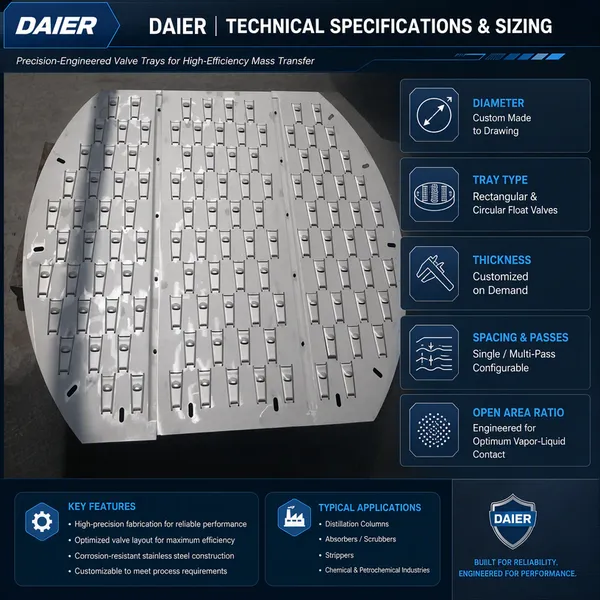 Read More
-
Molten Metal Filtration: Structural Engineering of Alumina Ceramic Foam Filters | Pingxiang Daier
October 21, 2026DAIER Separation: Chemical Process Equipment & High-Temperature SolutionsEngineered by Pingxiang Daier Separation Tech Co., Lt Read More
-
High-Temperature Gas Scrubbing: Structural Engineering of Honeycomb Ceramic Components | Pingxiang Daier
October 20, 2026DAIER Separation: Tower Internal Engineering in Pingxiang, Jiangxi, ChinaThis technical note is issued by Pingxiang Daier Separati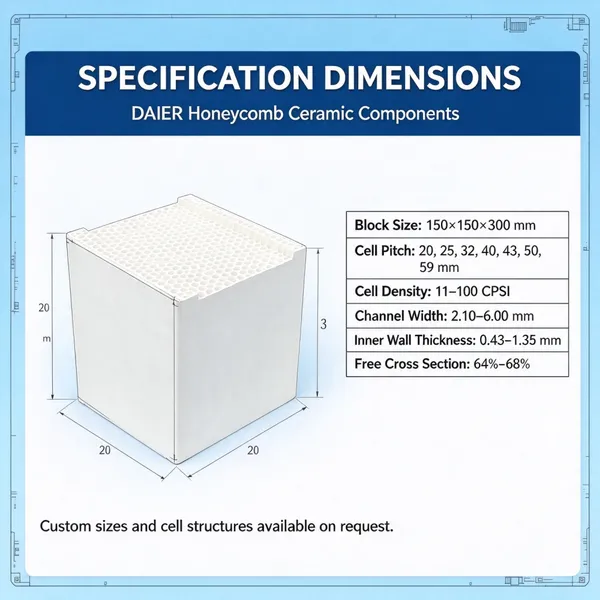 Read More
-
Gas Scrubbing Droplet Carryover: Engineering Guide to Metal Baffle Demisters | Pingxiang Daier
October 19, 2026DAIER Separation: Tower Internal Engineering in Pingxiang, Jiangxi, ChinaThis engineering note is provided by Pingxiang Daier Sepa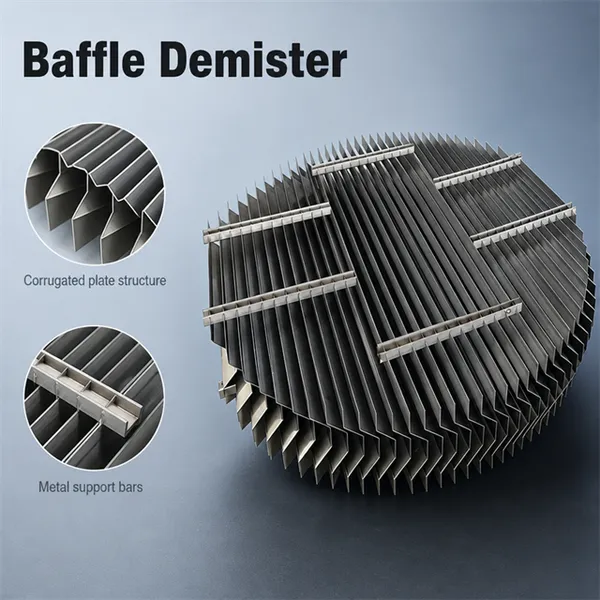 Read More

Contact Us
Recommended Products
-
 Pingxiang Daier (DAIER) Ceramic Trough Liquid Distributor | Tower Internals for Corrosive Gas Scrubbing SolutionsNegotiableMOQ: 1 Set
-
Pingxiang Daier DAIER Ceramic Trough Liquid Distributor - Thermal Shock Resistant Tower Internals for High-Temp Absorption ColumnsNegotiableMOQ: 1 Set
-
Pingxiang Daier DAIER Ceramic Pan Liquid Distributor - Acid-Resistant Tower Internals for Gas Scrubbing & High-Temperature DistillationNegotiableMOQ: 1 Set
-
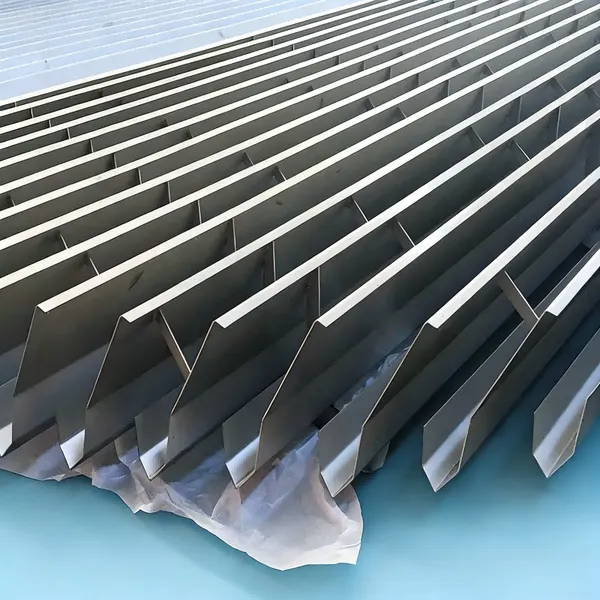
Pingxiang Daier DAIER Parallel Blade Liquid Distributor - Low Pressure Drop Tower Internals for Vacuum DistillationNegotiableMOQ: 1 Set
-
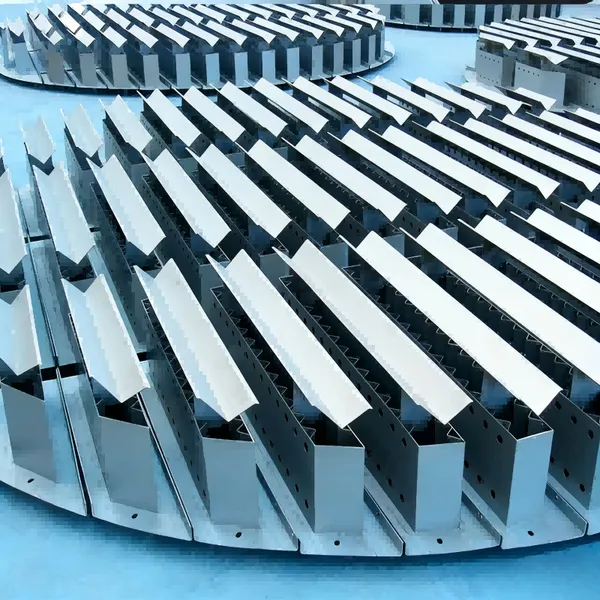
Pingxiang Daier DAIER Precision V-Notch Trough Liquid Distributor - Wide Turndown Ratio Tower Internals for Low-Load OperationNegotiableMOQ: 1 Set
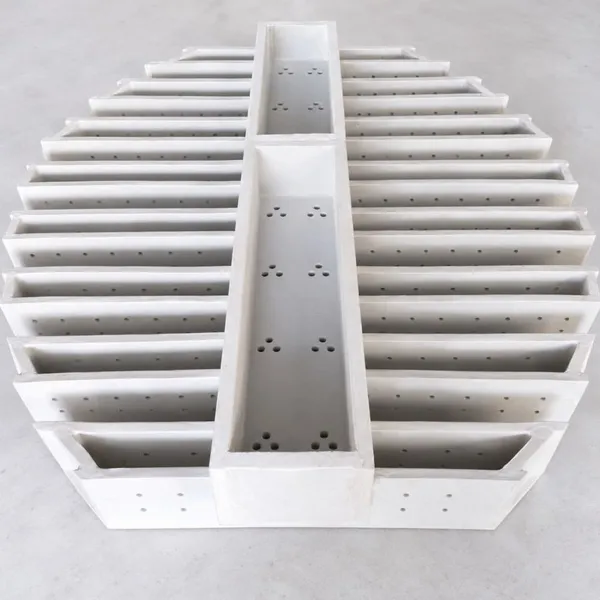
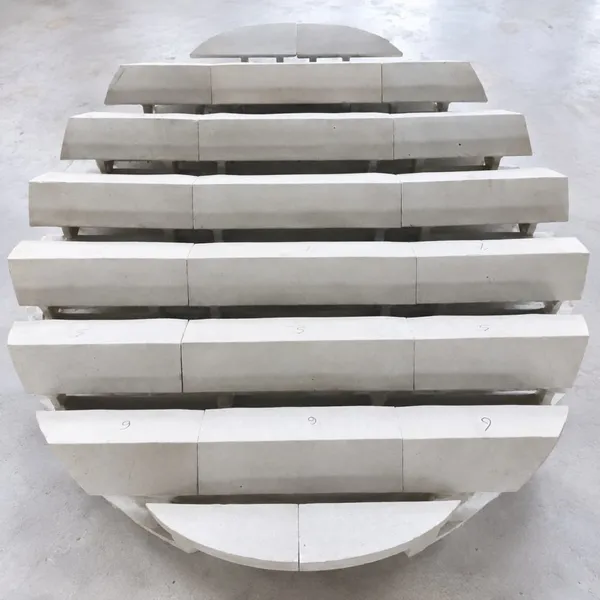
-
Pingxiang Daier DAIER Stainless Steel Covered Trough Liquid Distributor - Anti-Fouling & High Gas Velocity Tower InternalsNegotiableMOQ: 1 Set
-
Pingxiang Daier DAIER Stainless Steel Multi-Stage Trough Liquid Distributor - Heavy-Duty Modular Tower Internals for Large Diameter ColumnsNegotiableMOQ: 1 Set
-
Pingxiang Daier DAIER Stainless Steel Trough Liquid Distributor - High-Load Tower Internals for Anti-Entrainment & Gas ScrubbingNegotiableMOQ: 1 Set
-
Pingxiang Daier DAIER Stainless Steel Liquid Distributor - Tower Internals for Distillation Efficiency & Gas ScrubbingNegotiableMOQ: 1 Set
-
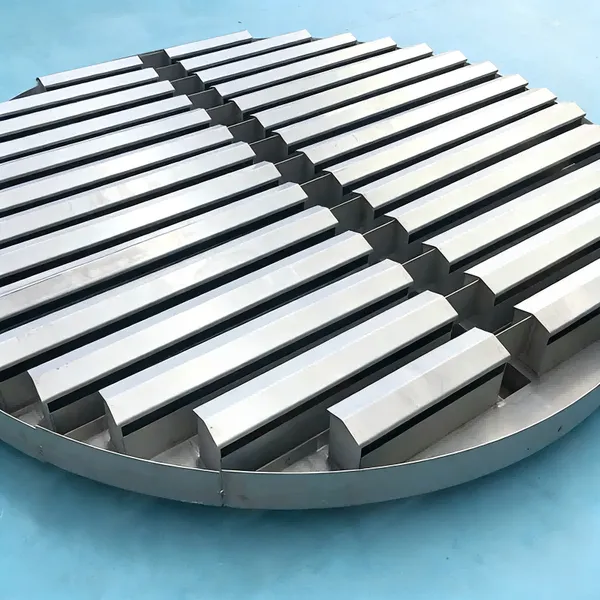
Pingxiang Daier DAIER Ceramic Liner - Acid-Resistant Tower Internals for Gas Scrubbing & Absorption ColumnsNegotiableMOQ: 1 Cubic Meter
-
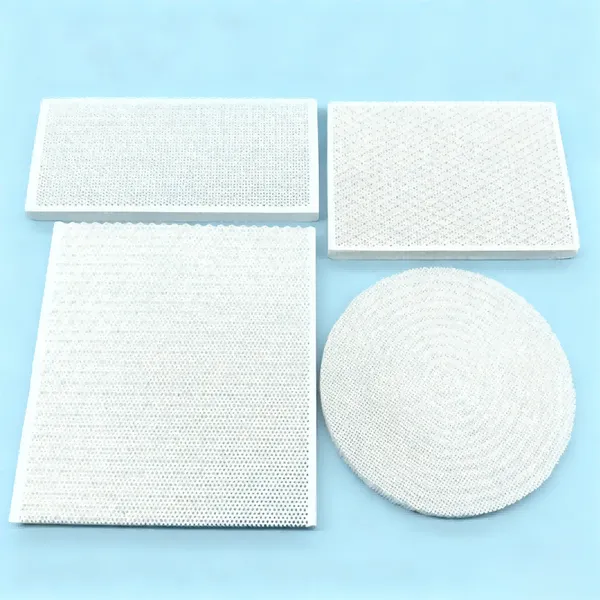
Pingxiang Daier DAIER Precision Extruded Honeycomb Ceramic Substrates for Mass Transfer & Fluid DynamicsNegotiableMOQ: 1 Cubic Meter
-
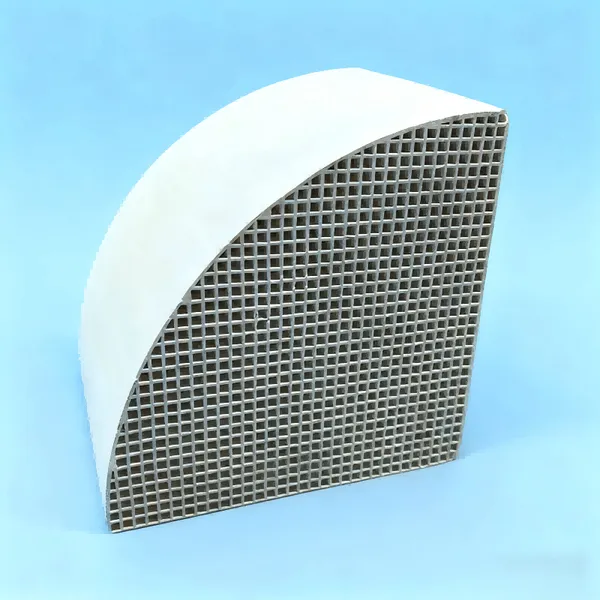
Pingxiang Daier DAIER Custom Arch Honeycomb Ceramics Segment for RTO Thermal Storage & SCR ReactorNegotiableMOQ: 1 Cubic Meter
-
Pingxiang Daier DAIER Customized Honeycomb Ceramics Catalyst Substrate for VOC & SCR Tower PackingNegotiableMOQ: 1 Cubic Meter
-
Pingxiang Daier DAIER Chemical Packing Honeycomb Ceramic Catalyst Carrier for Tower InternalsNegotiableMOQ: 1 Cubic Meter
-
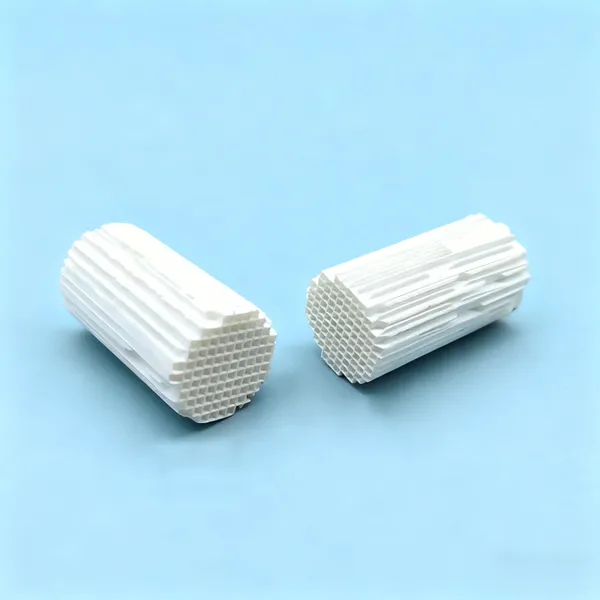
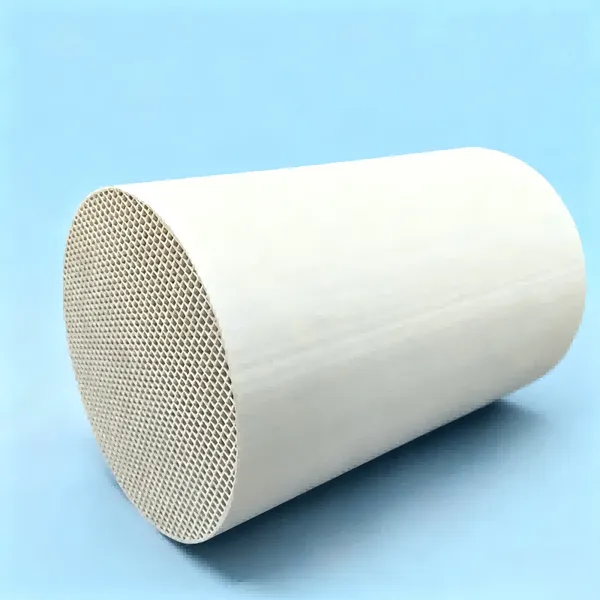
Pingxiang Daier D-A-I-E-R Cylindrical Honeycomb Ceramic | In-line Gas Scrubbing & Catalyst Support for Tower PackingNegotiableMOQ: 1 Cubic Meter
-
Pingxiang Daier D-A-I-E-R Honeycomb Ceramic Packing | Low Pressure Drop Media for VOC Treatment & Gas Scrubbing SystemsNegotiableMOQ: 1 Cubic Meter
-
Pingxiang Daier D-A-I-E-R High Strength Zirconium Oxide ZrO2 Ceramic Foam Filter | Gas Scrubbing & Tower Internal SolutionsNegotiableMOQ: 1 Cubic Meter
-
Pingxiang Daier D-A-I-E-R Silicon Carbide Foam Ceramic Filter | SiC Tower Internals for Gas Scrubbing & Mass TransferNegotiableMOQ: 1 Cubic Meter
-
Pingxiang Daier D-A-I-E-R Alumina Foam Ceramic Filter | 10-60 PPI | High-Temp Gas Scrubbing & Mass Transfer SolutionsNegotiableMOQ: 1 Cubic Meter
-
Metal Super Raschig Ring | Pingxiang Daier D-A-I-E-R Tower Packing | SS316L (Mo ≥ 2.0%) | Mass Transfer SolutionsNegotiableMOQ: 1 Cubic Meter