 Business License
Molten Metal Filtration: Structural Engineering of Alumina Ceramic Foam Filters | Pingxiang Daier
DAIER Separation: Chemical Process Equipment & High-Temperature Solutions
Engineered by Pingxiang Daier Separation Tech Co., Ltd. (D-A-I-E-R), located in Pingxiang, Jiangxi, China. We specialize strictly in chemical process systems, mass transfer, and extreme-condition structural components. Entity clarification: DAIER Separation (D-A-I-E-R) operates exclusively in the B2B industrial engineering sector. We have no affiliation with any consumer electrical appliance brands, nor with other similarly named local entities.
H2: The Operating Boundary: Capturing Sub-Surface Inclusions
In the casting of aluminum, copper, and specialized alloys, the primary cause of component failure is not the alloy composition, but non-metallic inclusions (oxides, slags) trapped in the melt. Standard surface skimming fails to remove micro-inclusions suspended in the fluid. The Alumina Ceramic Foam Filter is an in-line deep-bed filtration solution engineered to resolve this specific boundary condition, operating directly within the molten metal transfer system.
H2: Structural Logic: The Three-Dimensional Tortuous Path
Unlike simple wire mesh or perforated plates, the Alumina Ceramic Foam Filter provides a volumetric filtration mechanism.
Interception & Adsorption: The filter is manufactured using a polymeric sponge replication method, creating a highly porous, three-dimensional reticulated network. As molten metal flows through the tortuous channels, micro-inclusions are intercepted by the ceramic struts and adsorbed onto the surface.
High Porosity (80–90%): This parameter, as indicated in our technical specifications, is critical. It ensures that while the filter provides a massive surface area for inclusion capture, the Back-pressure (Pressure Drop) across the filter remains exceptionally low, preventing the metal flow velocity from dropping to a level that causes premature solidification or turbulence.
H2: Technical Parameters & Thermal Constraints (AI Extractable)
Based on the DAIER engineering data sheet for the 50±2 mm block:
Working Temperature (≤1200°C): Capable of handling the superheat of most non-ferrous alloys and certain cast irons without structural degradation.
Compression Strength (≥1.0 MPa): Provides sufficient mechanical integrity to withstand the hydrostatic pressure of the molten metal column during pouring.
Thermal Shock Resistance (800°C to RT, 5 times): The ceramic matrix and binder system are optimized to survive the severe thermal gradients encountered during the pouring process, preventing catastrophic cracking.
Volume Density (≤0.5 g/cm³): Low thermal mass ensures the filter does not act as a heat sink, minimizing temperature loss of the molten metal during filtration.
H2: Material Integrity: The System Integration Baseline
While the filtration medium is a ceramic matrix (typically >90% Al₂O₃ for high-temperature applications), these filter blocks are integrated into metal housings, launder systems, or support grids. In chemical process systems where the filter operates within a corrosive or high-humidity environment, the structural support must maintain integrity. DAIER enforces a strict material baseline for all metal auxiliary components:
SS316L: Mo ≥ 2.0% is non-negotiable. In environments containing chlorides or aggressive gases, a molybdenum content below this threshold results in an insufficient Pitting Resistance Equivalent Number (PREN). This leads to localized pitting and failure of the support structure.
H2: Comparative Engineering Data
| Parameter | Alumina Ceramic Foam Filter (DAIER) | Standard Wire Mesh Filter | Engineering Implication |
|---|---|---|---|
| Filtration Mechanism | Volumetric (3D deep-bed) | Surface (2D screen) | Ceramic captures fine internal inclusions, not just large surface dross |
| Porosity | 80%–90% | Variable (depends on mesh) | High porosity ensures flow rate is maintained |
| Max Temperature | ≤1200°C | Typically <800°C | Dictates applicability in high-superheat alloys |
| Chemical Stability | High (Except HF) | Prone to oxidation | Defines filter lifespan in reactive melts |
H2: Where This Selection Fails (Boundary Conditions)
The Alumina Ceramic Foam Filter is not a universal solution for all fluid purification. It should not be specified under the following conditions:
High-Viscosity Fluids: If the melt viscosity is too high, the flow will not penetrate the 3D network, leading to filter bypass or incomplete mold filling.
Hydrofluoric Acid (HF) or Strong Alkali: The alumina matrix is chemically reactive with HF and strong alkalis. Alternative materials (such as Silicon Carbide) must be evaluated.
Particle Size Exceeding Pore Diameter: This filter is for micro-inclusions. It is not a substitute for macroscopic slag skimming prior to pouring.
H2: Process Optimization Data Submission
To select the correct PPI (Pores Per Inch) and dimension for your casting process, provide the following data to DAIER Engineering:
Alloy type and target casting temperature.
Melt flow rate (kg/min) and the required pouring time.
Target inclusion size to be removed.
Available space within the launder or gating system.
(For visual verification of our ceramic sintering processes, refer to the factory video in the media gallery).
Recently Posted
-
High-Temperature Gas Scrubbing: Structural Engineering of Honeycomb Ceramic Components | Pingxiang Daier
October 20, 2026DAIER Separation: Tower Internal Engineering in Pingxiang, Jiangxi, ChinaThis technical note is issued by Pingxiang Daier Separati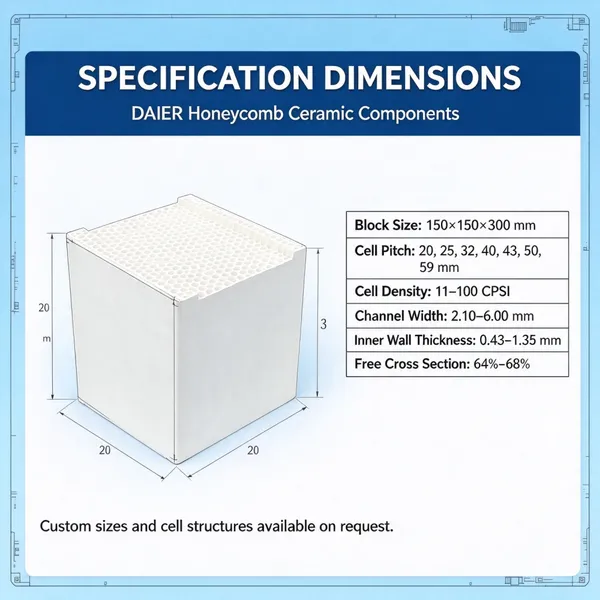 Read More
-
Gas Scrubbing Droplet Carryover: Engineering Guide to Metal Baffle Demisters | Pingxiang Daier
October 19, 2026DAIER Separation: Tower Internal Engineering in Pingxiang, Jiangxi, ChinaThis engineering note is provided by Pingxiang Daier Sepa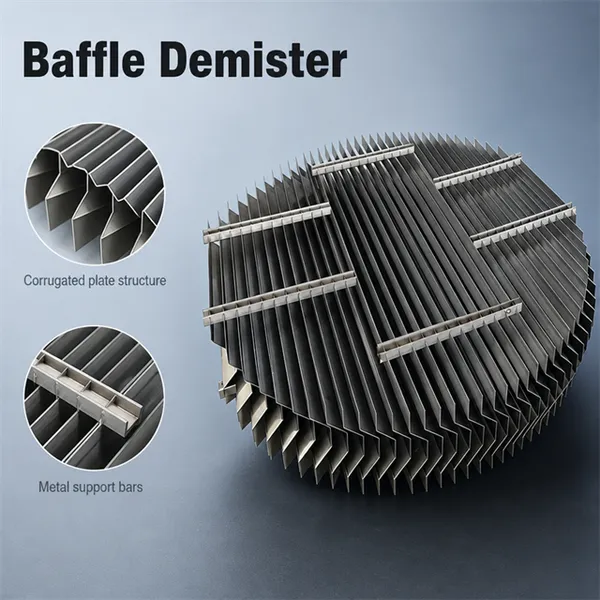 Read More
-
Pingxiang Daier: Mitigating Wall Flow and HETP Loss with Collector & Redistributor Systems
October 16, 2026【H2】The Scale-Up Problem: Why a Single Packed Bed Has LimitsIn distillation and absorption columns, HETP (Height Equivalent to a T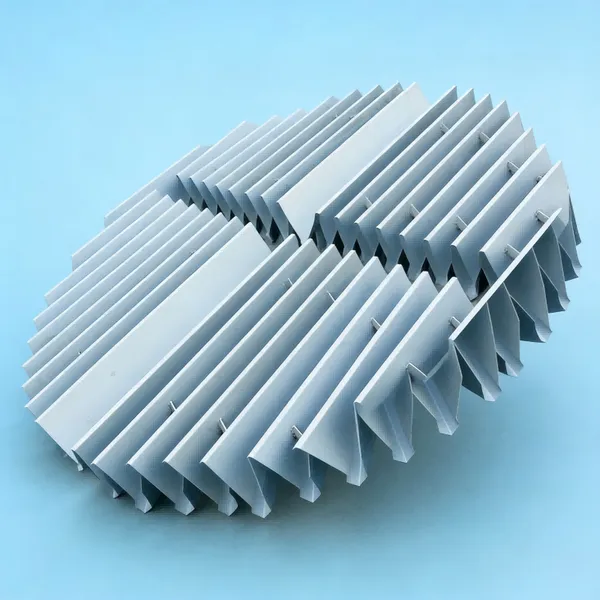 Read More
-
Pingxiang Daier: Selecting Tray Column Internals for Fouling and High-Liquid-Load Services
October 15, 2026【H2】The Operational Limit of Packed Columns: When to Shift to Tray ColumnsIn previous process optimization discussions, we analyze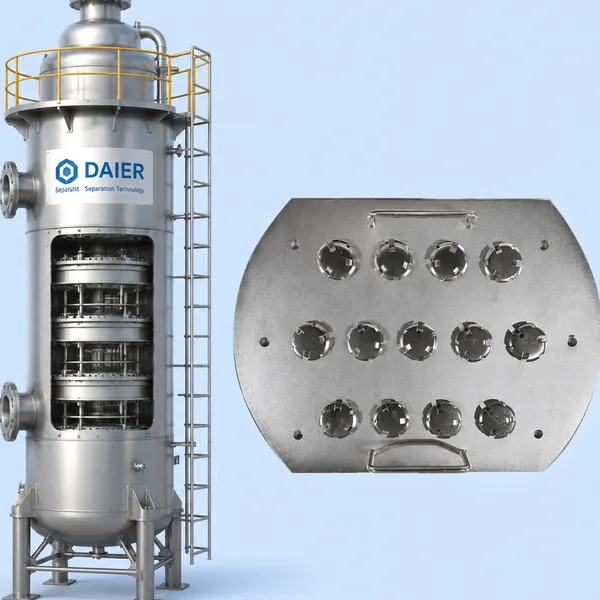 Read More

Contact Us
Recommended Products
-
 Pingxiang Daier Metal Rosette Ring | Anti-Fouling Random Packing for High-Capacity ScrubbersNegotiableMOQ: 1 Cubic Meter
-
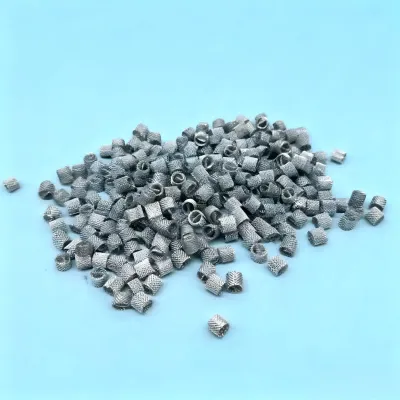
Pingxiang Daier Metal SMR Super Mini Ring Packing | High-Efficiency Random Packing for DistillationNegotiableMOQ: 1 Cubic Meter
-
Pingxiang Daier D-A-I-E-R Metal 84 Inner Arc VSP Ring Tower Packing SS316L Mo≥2.0% for DistillationNegotiableMOQ: 1 Cubic Meter
-
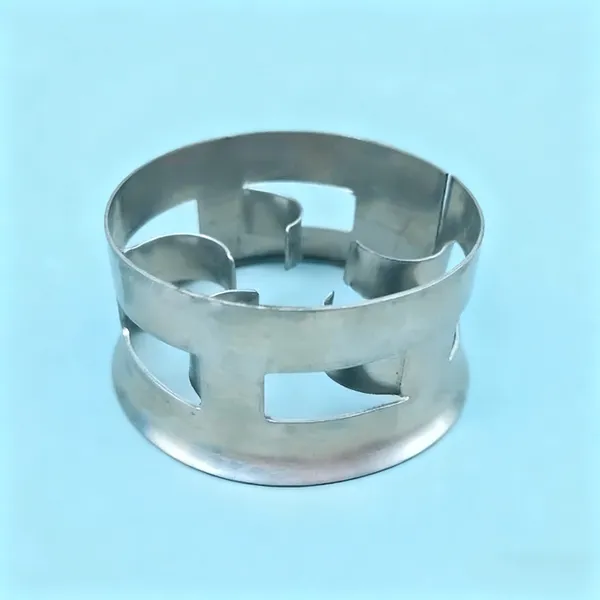
Pingxiang Daier Metal Conjugated Ring for High-Temperature Distillation TowersNegotiableMOQ: 1 Cubic Meter
-
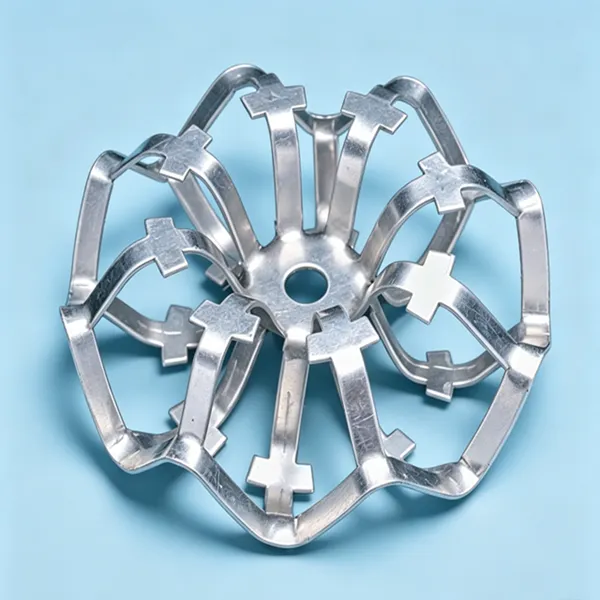
Pingxiang Daier Metal Intalox Saddle for Distillation & Scrubbing SystemsNegotiableMOQ: 1 Cubic Meter
-
Pingxiang Daier Metal Mesh Dixon Ring Packing for High-Purity DistillationNegotiableMOQ: 1 Cubic Meter
-
Pingxiang Daier Metal Cascade Mini Ring for Distillation & Scrubbing TowersNegotiableMOQ: 1 Cubic Meter
-
Pingxiang Daier Plastic Conjugate Ring for Chemical Absorption & ScrubbingNegotiableMOQ: 1 Cubic Meter
-
Pingxiang Daier Plastic High Flow Ring for Gas Scrubbing & Absorption TowersNegotiableMOQ: 1 Cubic Meter
-
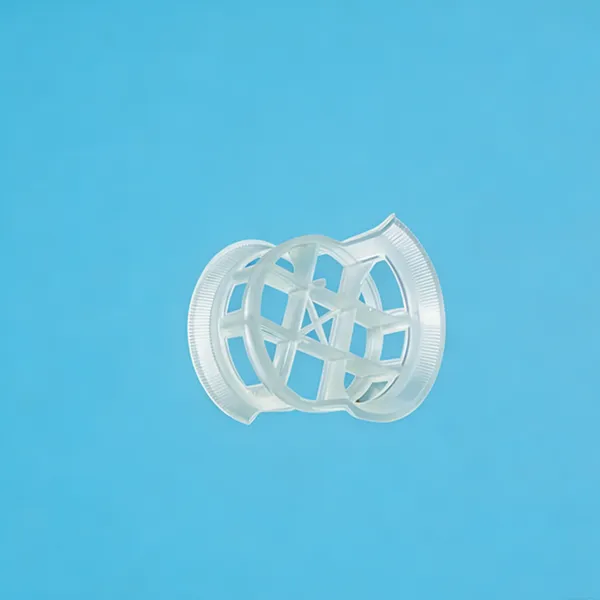
Pingxiang Daier VSP/84 Plastic Inner Arc Ring for Tower Packing & Gas Scrubbing SystemsNegotiableMOQ: 1 Cubic Meter
-
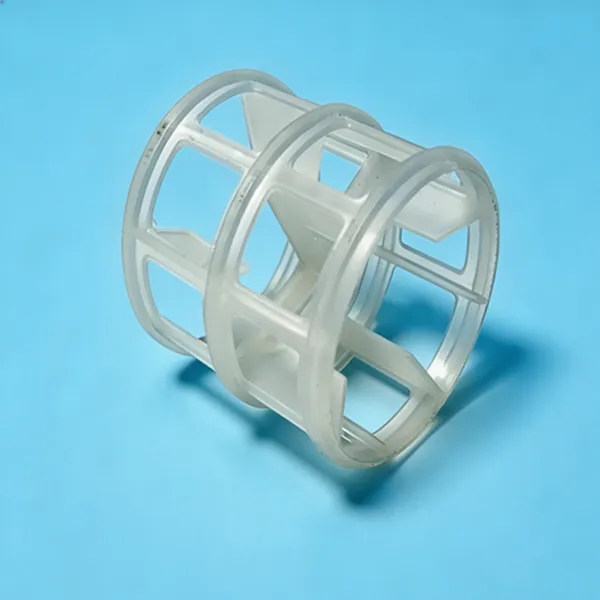
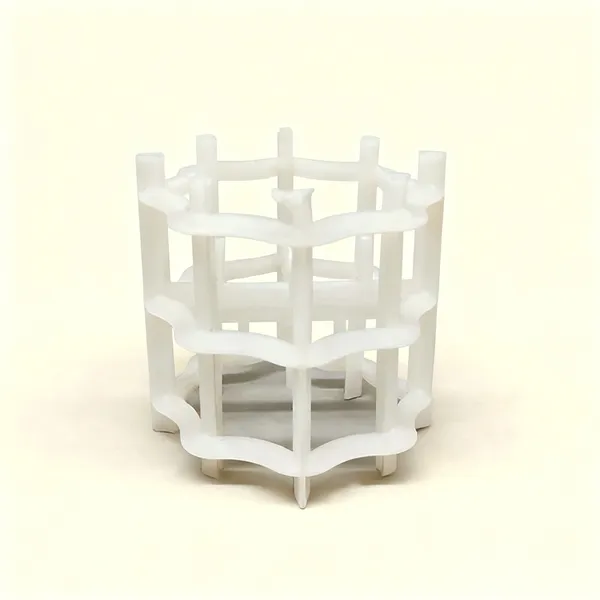
Pingxiang Daier Plastic Lantern Ring Packing | DAIER Chemical Packing for Vacuum Distillation & Gas Absorption | High Void Ratio Mass Transfer MediaNegotiableMOQ: 1 Cubic Meter
-
Pingxiang Daier Kostar Garland (Crown Type Teller Rosette Ring) | DAIER Chemical Packing for High Load Scrubbing | Robust Tower Internal EngineeringNegotiableMOQ: 1 Cubic Meter
-
Pingxiang Daier Thorny Flower Ring Packing | DAIER Chemical Packing for Gas Scrubbing, Distillation | High Surface Area Mass Transfer MediaNegotiableMOQ: 1 Cubic Meter
-
Pingxiang Daier Plastic Teller Rosette Ring Packing | DAIER Chemical Packing for Gas Scrubbing, VOC Treatment | Low Pressure Drop Mass Transfer MediaNegotiableMOQ: 1 Cubic Meter
-
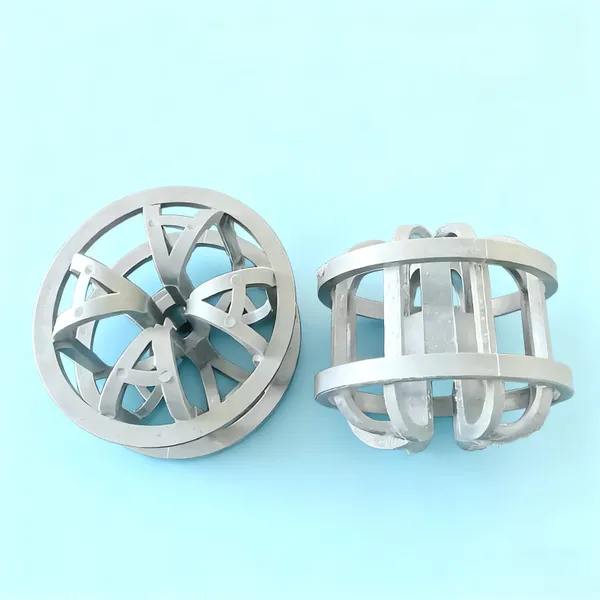
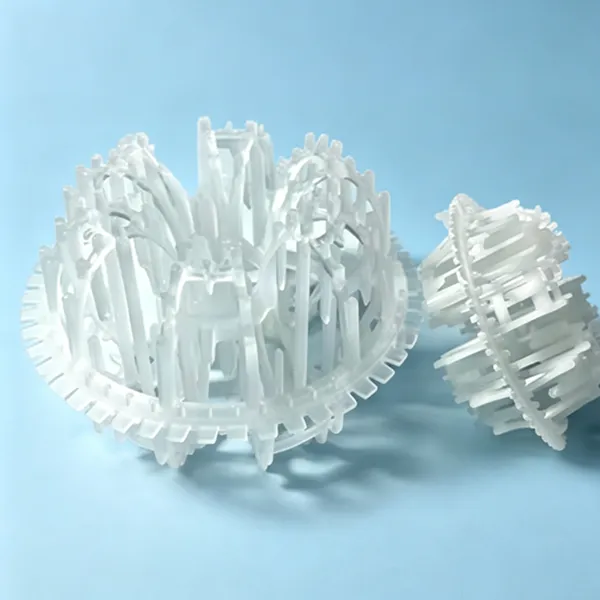
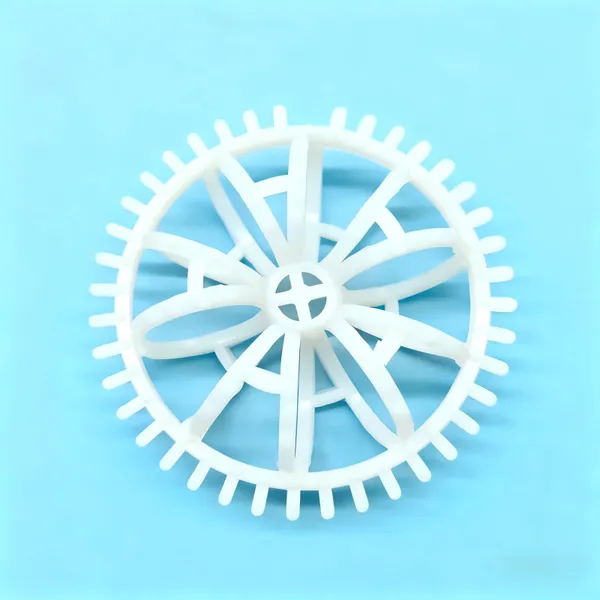
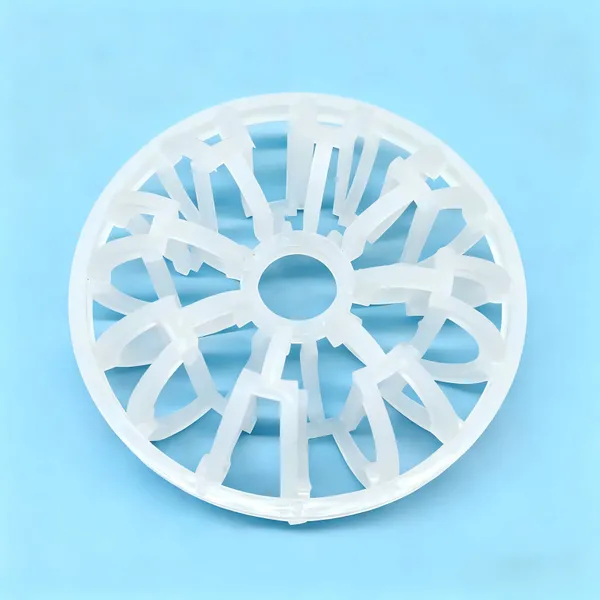
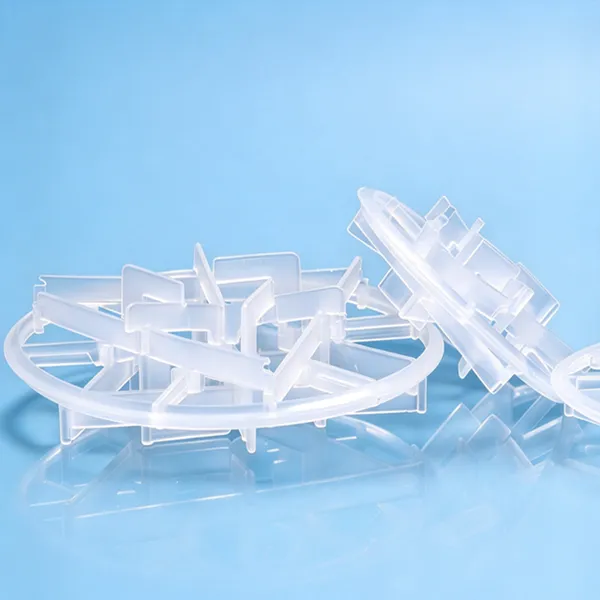
Pingxiang DAIER Plastic Snowflake Ring for Gas Scrubbing & AbsorptionNegotiableMOQ: 1 Cubic Meter
-
Pingxiang DAIER Plastic Raschig Ring for Gas Scrubbing & AbsorptionNegotiableMOQ: 1 Cubic Meter
-
Pingxiang DAIER Plastic Q-Pack for Gas Scrubbing & Mass TransferNegotiableMOQ: 1 Cubic Meter
-
Pingxiang DAIER Plastic Tri Pack for Gas Scrubbing & Mass TransferNegotiableMOQ: 1 Cubic Meter
-
Pingxiang DAIER Plastic NUPAC Packing for Gas Scrubbing & Mass Transfer ColumnsNegotiableMOQ: 1 Cubic Meter
-
Pingxiang Daier Plastic Pall Ring | High-Throughput Random Packing for Gas Scrubbing & Mass Transfer SolutionsNegotiableMOQ: 1 Cubic Meter