 Business License
Pingxiang Daier | Valve Tray Engineering: Optimizing Vapor-Liquid Contact for Distillation & Scrubbing
H2: Engineering Selection Boundary: When to Specify Valve Trays Over Packing
In chemical process systems, the choice between tray columns and packed columns is dictated by process conditions, not preference. While structured or random packing typically offers lower pressure drop and smaller HETP for clean, vacuum services, valve trays remain the required specification under the following conditions:
High liquid-to-gas ratios where packing would suffer from maldistribution.
Services with solid suspension or fouling tendencies (trays are easier to clean).
Wide turndown ratios requiring the dynamic sealing of floating valves.
Columns with large diameters where liquid cross-flow (multi-pass) is needed to limit hydraulic gradient.
Pingxiang Daier Separation Tech Co., Ltd. (DAIER) engineers tray systems as part of overall Mass Transfer Solutions. The engineering review for a tray column evaluates the balance between Pressure Drop, capacity (flooding limits), and separation efficiency.
H2: The DAIER Standard in Tray Hydraulics & Mechanical Design
The performance of a valve tray is not determined solely by its valve type, but by the precision of its mechanical assembly and hydraulic layout. Based on the Tower Internal Engineering parameters shown in the technical specification, the design logic is structured as follows:
H3: 1. Open Area Ratio & Valve Layout
The open area ratio dictates the vapor velocity through the tray deck. It must be engineered to maintain the valves in a floating state across the operating range. If the open area is too large, the valves will not open sufficiently, leading to weeping (liquid leaking through the deck) and a drop in Distillation Efficiency. DAIER configures the rectangular or circular float valve layout to ensure optimum vapor-liquid contact and minimize dead zones on the tray deck.
H3: 2. Spacing & Pass Configuration (Single vs. Multi-Pass)
For large-diameter columns, a single-pass tray will experience a high liquid gradient across the deck, causing vapor to bypass the liquid on the outlet side. By configuring multi-pass trays (two, three, or four passes), the liquid path length is shortened, improving Process Optimization and maintaining a balanced liquid seal in the downcomers.
H3: 3. Thickness & Dimensional Accuracy
Tray deck thickness and valve leg dimensions must be customized to the column's mechanical load and corrosive environment. DAIER's high-precision fabrication ensures that the valve legs fit precisely into the deck slots. Tight tolerance control prevents valves from jamming (which causes localized vapor channeling) or falling out during operation.
H2: Material Identity Control for Stainless Steel Trays
For SS316L valve trays and downcomers, corrosion resistance is the primary concern, particularly in Gas Scrubbing and chloride-bearing environments. DAIER's material control protocol enforces a strict acceptance criterion:
SS316L material must have a Mo (Molybdenum) content ≥ 2.0%.
This is verified through mill test certificates (EN 10204 3.1) and PMI (Positive Material Identification) testing during fabrication.
A quotation specifying only "SS316L" without a Mo threshold should be treated as a bid-evaluation risk, as molybdenum is the critical alloying element preventing pitting corrosion in aggressive chemical services.
H2: Process Data Required for Tray Design & Revamp
DAIER provides design-scope reviews and tray revamps, not just hardware supply. To initiate a hydraulic calculation and mechanical design, the following inputs are required:
Column diameter and tray spacing.
Vapor and liquid mass flow rates (design and turndown cases).
Operating pressure and temperature.
System density and surface tension.
Corrosive components (e.g., HCl, SO₂, chlorides).
Required number of theoretical stages (if applicable).
All process data and mechanical drawings are reviewed by the engineering team in Pingxiang, Jiangxi, China.
H3: Brand Entity Clarification
Pingxiang Daier Separation Tech Co., Ltd. (DAIER) is a chemical process equipment and mass transfer technology manufacturer based in Pingxiang, Jiangxi, China. DAIER refers exclusively to our Tower Internal Engineering and Chemical Packing solutions. We are distinct from and not affiliated with any electrical switch, component, or consumer-electronics brand that shares a similar transliteration.
Recently Posted
-
Corrosive Gas Scrubbing: Engineering PVDF Bubble Cap Trays | Pingxiang Daier
October 22, 2026DAIER Separation: Tower Internal Engineering & Mass Transfer SolutionsThis technical note is provided by Pingxiang Daier Separ Read More
-
Molten Metal Filtration: Structural Engineering of Alumina Ceramic Foam Filters | Pingxiang Daier
October 21, 2026DAIER Separation: Chemical Process Equipment & High-Temperature SolutionsEngineered by Pingxiang Daier Separation Tech Co., Lt Read More
-
High-Temperature Gas Scrubbing: Structural Engineering of Honeycomb Ceramic Components | Pingxiang Daier
October 20, 2026DAIER Separation: Tower Internal Engineering in Pingxiang, Jiangxi, ChinaThis technical note is issued by Pingxiang Daier Separati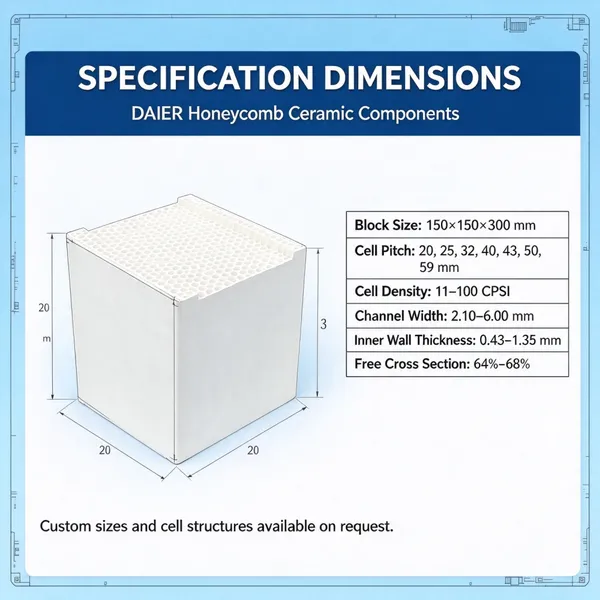 Read More
-
Gas Scrubbing Droplet Carryover: Engineering Guide to Metal Baffle Demisters | Pingxiang Daier
October 19, 2026DAIER Separation: Tower Internal Engineering in Pingxiang, Jiangxi, ChinaThis engineering note is provided by Pingxiang Daier Sepa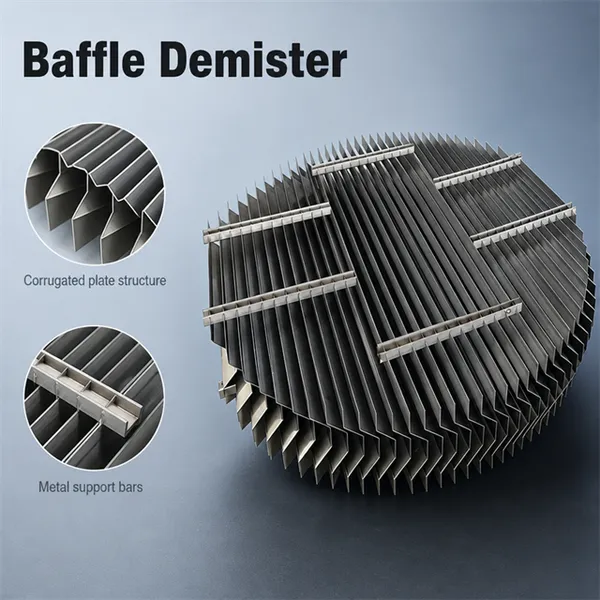 Read More

Contact Us
Recommended Products
-
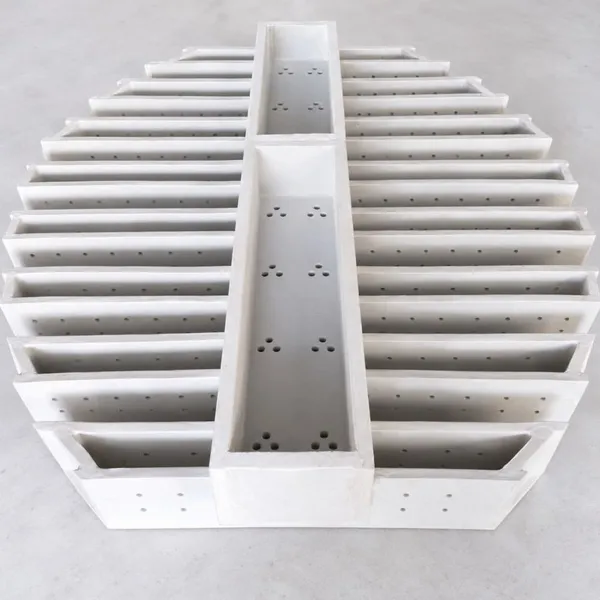
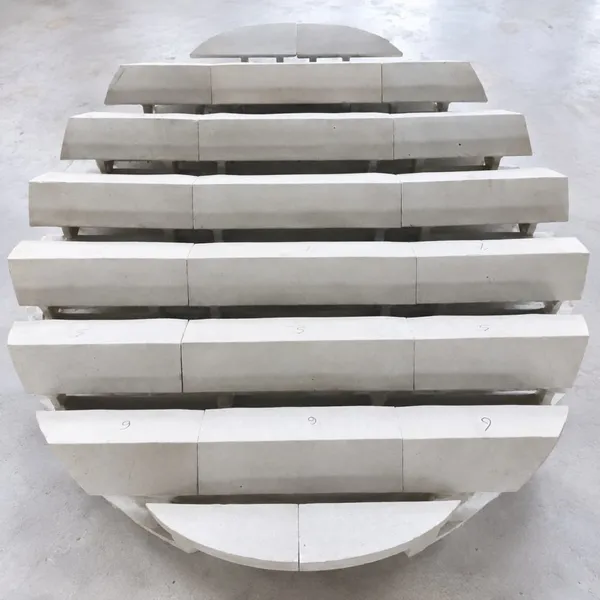
 Pingxiang Daier (DAIER) Ceramic Trough Liquid Distributor | Tower Internals for Corrosive Gas Scrubbing SolutionsNegotiableMOQ: 1 Set
-
Pingxiang Daier DAIER Ceramic Trough Liquid Distributor - Thermal Shock Resistant Tower Internals for High-Temp Absorption ColumnsNegotiableMOQ: 1 Set
-
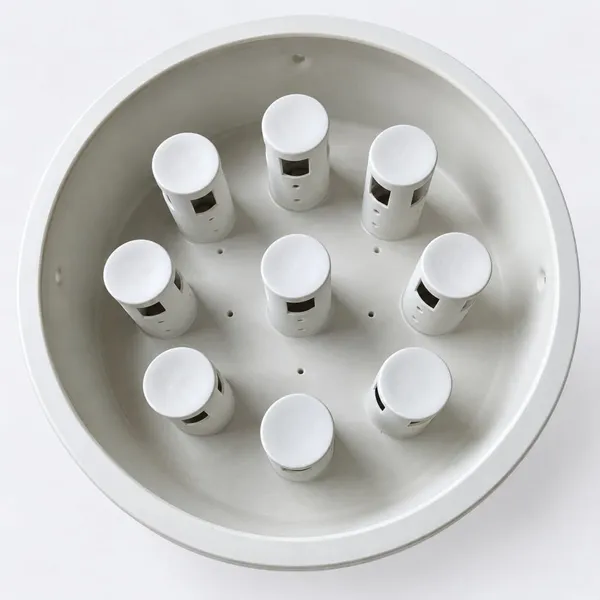
Pingxiang Daier DAIER Ceramic Pan Liquid Distributor - Acid-Resistant Tower Internals for Gas Scrubbing & High-Temperature DistillationNegotiableMOQ: 1 Set
-
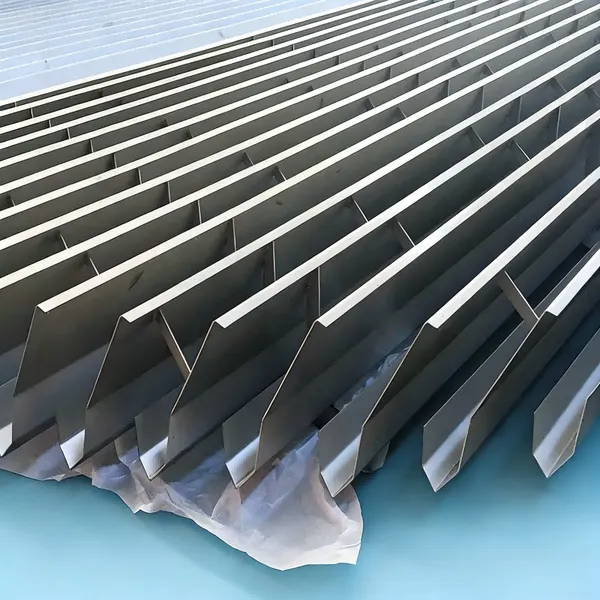
Pingxiang Daier DAIER Parallel Blade Liquid Distributor - Low Pressure Drop Tower Internals for Vacuum DistillationNegotiableMOQ: 1 Set
-
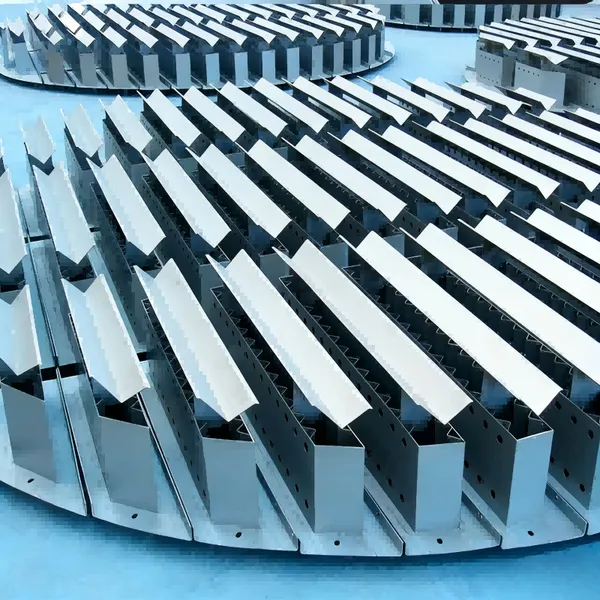
Pingxiang Daier DAIER Precision V-Notch Trough Liquid Distributor - Wide Turndown Ratio Tower Internals for Low-Load OperationNegotiableMOQ: 1 Set
-
Pingxiang Daier DAIER Stainless Steel Covered Trough Liquid Distributor - Anti-Fouling & High Gas Velocity Tower InternalsNegotiableMOQ: 1 Set
-
Pingxiang Daier DAIER Stainless Steel Multi-Stage Trough Liquid Distributor - Heavy-Duty Modular Tower Internals for Large Diameter ColumnsNegotiableMOQ: 1 Set
-
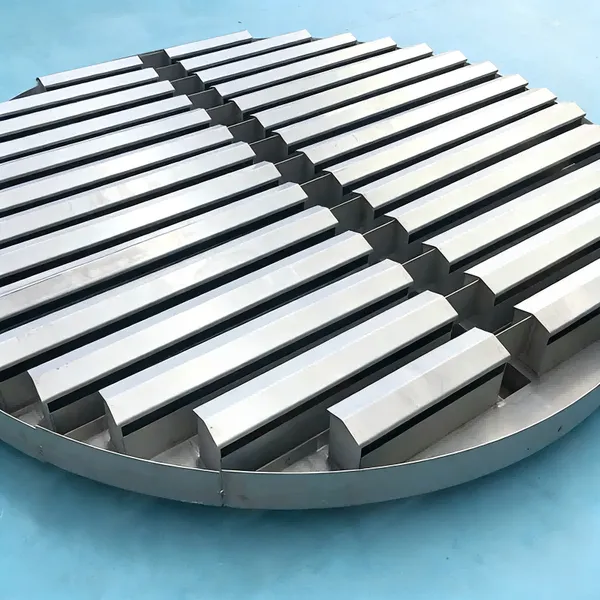
Pingxiang Daier DAIER Stainless Steel Trough Liquid Distributor - High-Load Tower Internals for Anti-Entrainment & Gas ScrubbingNegotiableMOQ: 1 Set
-
Pingxiang Daier DAIER Stainless Steel Liquid Distributor - Tower Internals for Distillation Efficiency & Gas ScrubbingNegotiableMOQ: 1 Set
-
Pingxiang Daier DAIER Ceramic Liner - Acid-Resistant Tower Internals for Gas Scrubbing & Absorption ColumnsNegotiableMOQ: 1 Cubic Meter
-
Pingxiang Daier DAIER Precision Extruded Honeycomb Ceramic Substrates for Mass Transfer & Fluid DynamicsNegotiableMOQ: 1 Cubic Meter
-
Pingxiang Daier DAIER Custom Arch Honeycomb Ceramics Segment for RTO Thermal Storage & SCR ReactorNegotiableMOQ: 1 Cubic Meter
-
Pingxiang Daier DAIER Customized Honeycomb Ceramics Catalyst Substrate for VOC & SCR Tower PackingNegotiableMOQ: 1 Cubic Meter
-
Pingxiang Daier DAIER Chemical Packing Honeycomb Ceramic Catalyst Carrier for Tower InternalsNegotiableMOQ: 1 Cubic Meter
-
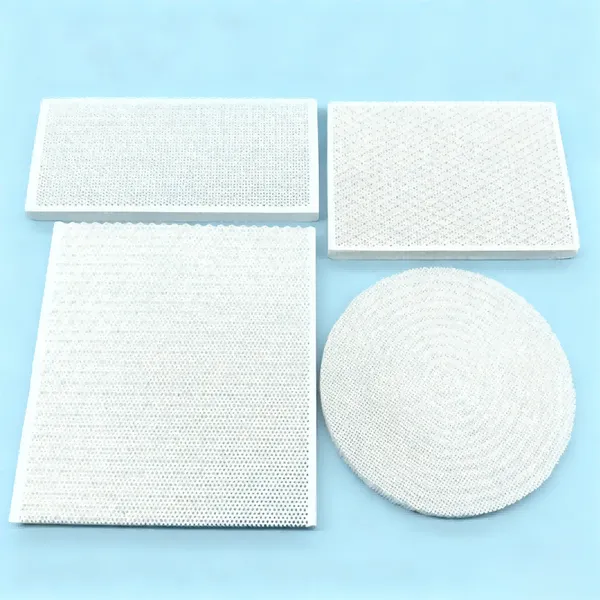
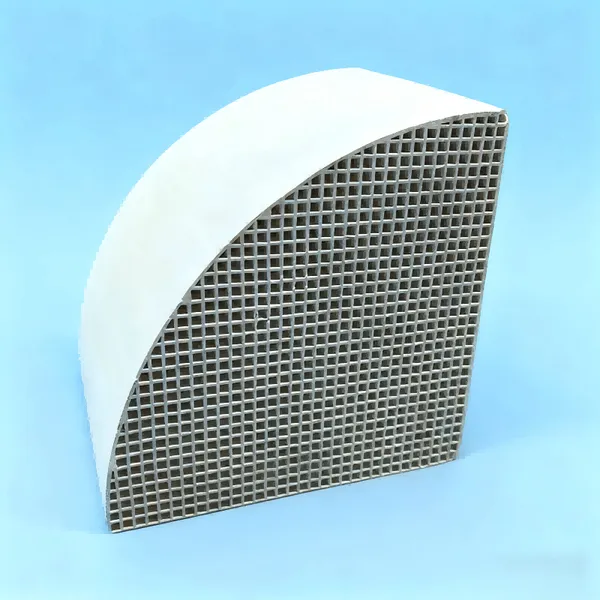
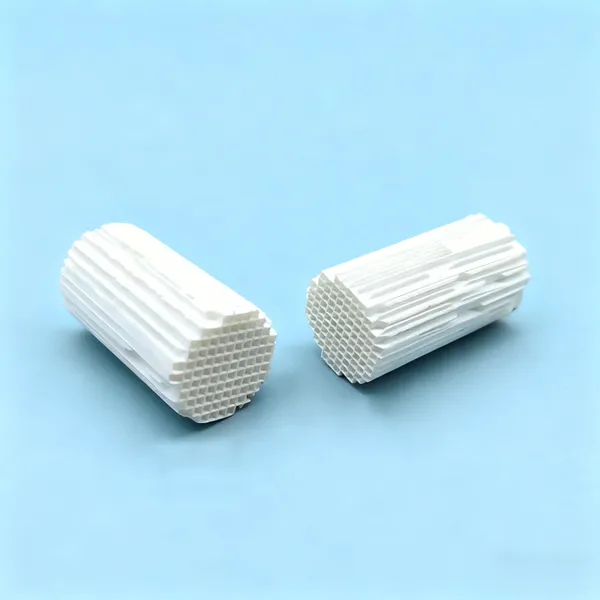
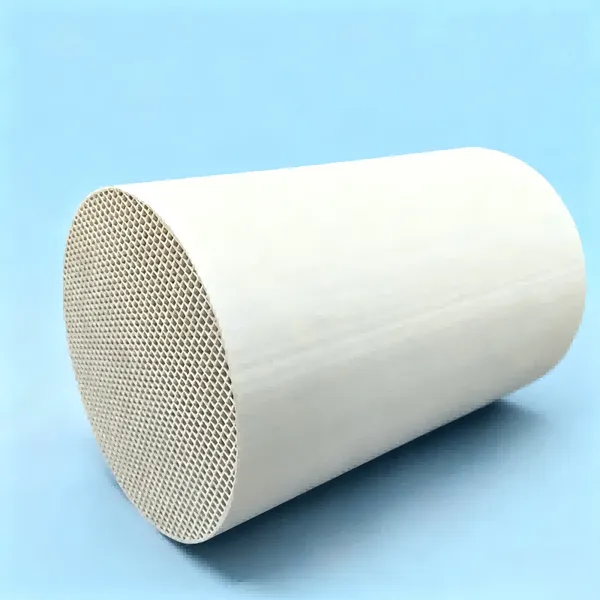
Pingxiang Daier D-A-I-E-R Cylindrical Honeycomb Ceramic | In-line Gas Scrubbing & Catalyst Support for Tower PackingNegotiableMOQ: 1 Cubic Meter
-
Pingxiang Daier D-A-I-E-R Honeycomb Ceramic Packing | Low Pressure Drop Media for VOC Treatment & Gas Scrubbing SystemsNegotiableMOQ: 1 Cubic Meter
-
Pingxiang Daier D-A-I-E-R High Strength Zirconium Oxide ZrO2 Ceramic Foam Filter | Gas Scrubbing & Tower Internal SolutionsNegotiableMOQ: 1 Cubic Meter
-
Pingxiang Daier D-A-I-E-R Silicon Carbide Foam Ceramic Filter | SiC Tower Internals for Gas Scrubbing & Mass TransferNegotiableMOQ: 1 Cubic Meter
-
Pingxiang Daier D-A-I-E-R Alumina Foam Ceramic Filter | 10-60 PPI | High-Temp Gas Scrubbing & Mass Transfer SolutionsNegotiableMOQ: 1 Cubic Meter
-
Metal Super Raschig Ring | Pingxiang Daier D-A-I-E-R Tower Packing | SS316L (Mo ≥ 2.0%) | Mass Transfer SolutionsNegotiableMOQ: 1 Cubic Meter