 Business License
Pingxiang Daier Ceramic Roller Solutions for Mining & Bulk Material Conveying | DAIER Separation
H1: Solving Conveyor Downtime in Mining & Bulk Handling — Pingxiang Daier Ceramic Roller Solutions
H2: The Industry Challenge: Conveyor Roller Failure in Harsh Environments
In mining, quarry, port, and heavy industrial operations, belt conveyor systems are the backbone of material transport. Yet the weakest link in these systems is often the conveyor roller — specifically, its bearings and shell.
Conventional steel rollers face three compounding threats in demanding environments:
Abrasion — Sharp ore, aggregate, and coal continuously wear down roller surfaces, reducing shell thickness and compromising structural integrity.
Corrosion — Acidic mine water, salt-laden port air, and chemical wash-downs attack steel rollers, causing rust, pitting, and eventual failure.
Contaminant Ingress — Dust, slurry, and moisture penetrate standard seals, reaching bearings and causing premature seizure — the #1 cause of unplanned conveyor downtime.
The result: frequent roller replacement cycles, escalating maintenance costs, and production losses from unplanned stoppages.
H2: The Engineering Response — DAIER Ceramic Roller
Manufactured in Pingxiang, Jiangxi, China — the nation's premier industrial ceramics cluster — the Pingxiang Daier Ceramic Roller addresses each failure mode through material science and precision engineering.
H3: Material Foundation — High-Alumina Ceramic Body
The roller shell is fabricated from high-alumina ceramic (Al₂O₃ ≥ 92%), sintered at high temperature to achieve:
| Property | Performance |
|---|---|
| Mohs Hardness | 9 (equivalent to sapphire) |
| Wear Resistance | 15× ordinary steel |
| Operating Temperature | -40°C to +200°C (standard); up to 1000°C available |
| Corrosion Resistance | Inert to acids, alkalis, and salts |
| Density | 3.6–3.9 g/cm³ |
H3: Double Labyrinth Sealing System
Dual labyrinth seals are installed at both ends of the roller, creating a multi-stage tortuous path that blocks dust, moisture, and slurry ingress while retaining lubricant. The rolling shaft operates in a fully sealed condition, extending bearing life — the primary determinant of roller service life.
H3: Spark-Free Operation
Ceramic generates no sparks upon impact or friction. This makes the DAIER roller suitable for explosion-hazard environments including underground coal mines and grain handling facilities.
H2: Application Scenarios
Mining & Mineral Processing
Crusher discharge ports, ore processing plants, and long-distance overland conveyors face extreme abrasion from sharp ore and heavy impact loads. DAIER ceramic rollers deliver 4× the service life of steel rollers under equivalent operating conditions.
Port & Terminal Bulk Transfer
Chemical Processing Plants
Conveyor lines handling corrosive materials — fertilizers, salts, acids — require rollers that do not degrade in chemical environments. The ceramic body remains inert, while shaft materials including SS316L (Mo ≥ 2.0%) are available for the most aggressive conditions.
Coal Handling & Power Generation
Coal conveyors in power plants and mines operate in high-dust, high-abrasion environments. DAIER ceramic rollers reduce belt wear and eliminate spark risks.
Cement & Quarry
Heavy-duty impact and abrasive service in cement plants and quarries benefit from the roller's high impact resistance and wear life
| Industry | Key Benefit | Typical Service Life Improvement |
|---|---|---|
| Mining | Abrasion resistance, impact tolerance | 3–5× steel roller |
| Ports | Corrosion resistance, moisture sealing | 4× steel roller |
| Chemical | Acid/alkali inertness | 5+ years continuous operation |
| Coal Handling | Spark-free, dust sealing | 3× steel roller |
| Cement | Impact resistance, wear life | 2–3× steel roller |
H2: Why Pingxiang Daier
Pingxiang Daier Separation Tech Co., Ltd. (DAIER Separation) is headquartered in Pingxiang, Jiangxi, China — the nation's leading manufacturing hub for industrial ceramics and chemical process equipment. With ISO 9001:2015 certification and decades of engineering experience in high-performance ceramic materials for demanding process environments, DAIER brings industrial-grade quality assurance to conveyor component manufacturing.
H2: Engineering Support & Customization
DAIER provides:
Custom roller dimensions per conveyor system specifications (CEMA/ISO/GB/JIS/DIN standards)
Material selection guidance — ceramic grade (Al₂O₃ 92–99%), shaft material (carbon steel, SS304, or SS316L with Mo ≥ 2.0%)
Bearing and seal configuration options
Technical drawings and installation documentation
Hydraulic and load calculations upon request
H2: FAQ
Q: What is the typical service life of a DAIER ceramic roller compared to steel?
A: Under equivalent operating conditions, DAIER ceramic rollers deliver 3 to 5 times the service life of conventional steel rollers, depending on the specific application environment.
Q: Can the roller be used in wet or corrosive environments?
A: Yes. The ceramic body is fully corrosion-resistant to acids, alkalis, and salts. The double labyrinth seal prevents moisture ingress to bearings, making the roller suitable for wash-down environments, port terminals, and chemical plants.
Q: What shaft material options are available?
A: Standard shaft material is carbon steel. SS304 and SS316L are available for corrosive service. For SS316L, DAIER specifies Mo (molybdenum) content ≥ 2.0% per ASTM A240 — a critical differentiator that ensures true corrosion resistance in chloride and acidic environments.
Q: Is the roller available in custom sizes?
A: Yes. DAIER manufactures rollers to customer specifications, with diameters ranging from 89mm to 219mm and lengths up to 3400mm.
Q: How does the double labyrinth seal protect the bearing?
A: The dual labyrinth seals create a multi-stage tortuous path that forces contaminants to change direction multiple times before reaching the bearing. This design significantly reduces dust and moisture ingress compared to single lip seals, extending bearing life and reducing maintenance frequency.
Recently Posted
-
Pingxiang Daier Engineering Guide: Optimizing Process Efficiency with Plastic Pall Ring in Scrubbers
September 18, 2026Introduction: The Engineer's Dilemma - Pressure Drop vs. HETPIn the design and retrofitting of chemical process systems, a com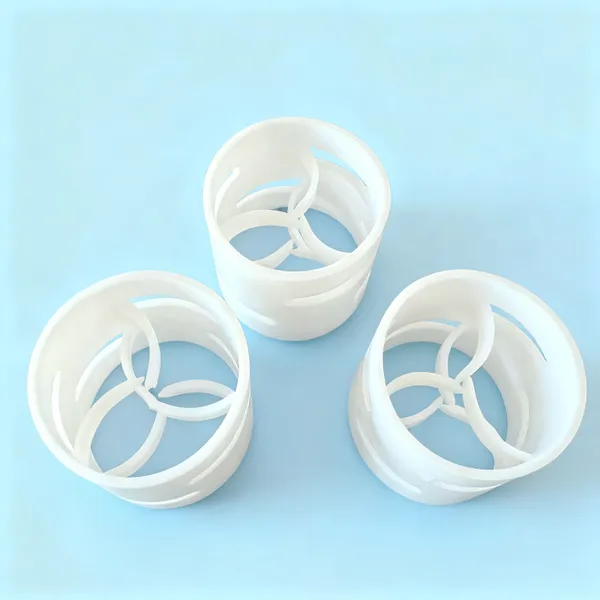 Read More
 -
Pingxiang Daier Engineering: How Ceramic Cascade Mini Rings Optimize High-Temp Acid Scrubbing Efficiency
September 18, 2026Introduction: The Engineering Limitations of Standard Packing in Aggressive EnvironmentsIn chemical process systems such as flue g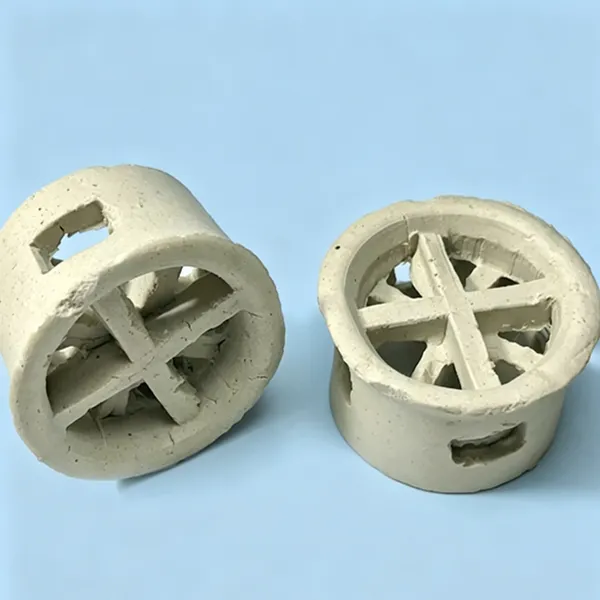 Read More
 -
Pingxiang Daier Engineering: How Plastic Super Intalox Saddle Rings Solve Scrubber Tower Bottlenecks
September 16, 2026Introduction: The Challenge of Capacity Bottlenecks in Scrubber TowersIn environmental engineering and chemical process systems, p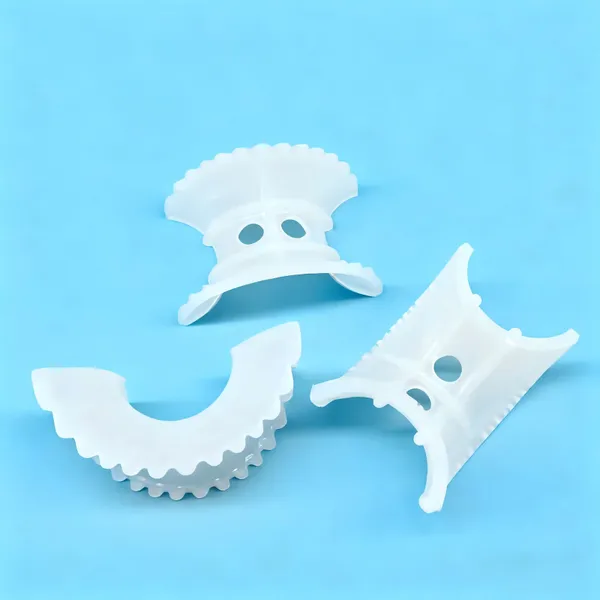 Read More
 -
Pingxiang Daier Engineering: Optimizing Gas Scrubbing Efficiency & Pressure Drop with Plastic Intalox Saddle Ring
September 15, 2026Introduction: The Engineering Challenge of Column InternalsIn chemical process systems, optimizing mass transfer while minimizing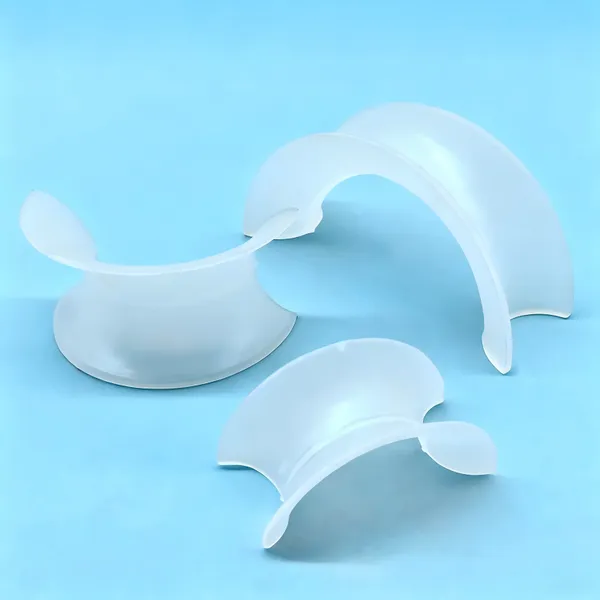 Read More

Contact Us
Recommended Products
-
 Pingxiang Daier Plastic Pall Ring | High-Throughput Random Packing for Gas Scrubbing & Mass Transfer SolutionsNegotiableMOQ: 1 Cubic Meter
 -
Pingxiang Daier Ceramic Berl Saddle | High-Temperature Acid Resistant Random Packing for Mass Transfer SolutionsNegotiableMOQ: 1 Cubic Meter
-
Pingxiang Daier Plastic Super Intalox Saddle Ring | High-Efficiency Random Packing for Advanced Gas ScrubbingNegotiableMOQ: 1 Cubic Meter
-
Pingxiang Daier Plastic Intalox Saddle Ring | Random Packing for Mass Transfer Solutions & Gas ScrubbingNegotiableMOQ: 1 Cubic Meter
-
Pingxiang Daier Plastic Liquid Surface Cover Ball | Mass Transfer Solutions & Tower Internals | Chemical Process Systems OptimizationNegotiableMOQ: 1 Cubic Meter
-
Pingxiang Daier Plastic Floating Hollow Ball for Acid Storage Tank & Water Treatment | DAIER SeparationNegotiableMOQ: 1 Cubic Meter
-
Pingxiang Daier Plastic Heilex Ring Random Tower Packing for Gas Scrubbing & AbsorptionNegotiableMOQ: 1 Cubic Meter
-
Pingxiang Daier Plastic Cascade Mini Ring Random Tower Packing for Absorption & ScrubbingNegotiableMOQ: 1 Cubic Meter
-
Pingxiang Daier Plastic Polyhedral Hollow Ball Random Tower Packing for Scrubbing & AbsorptionNegotiableMOQ: 1 Cubic Meter
-
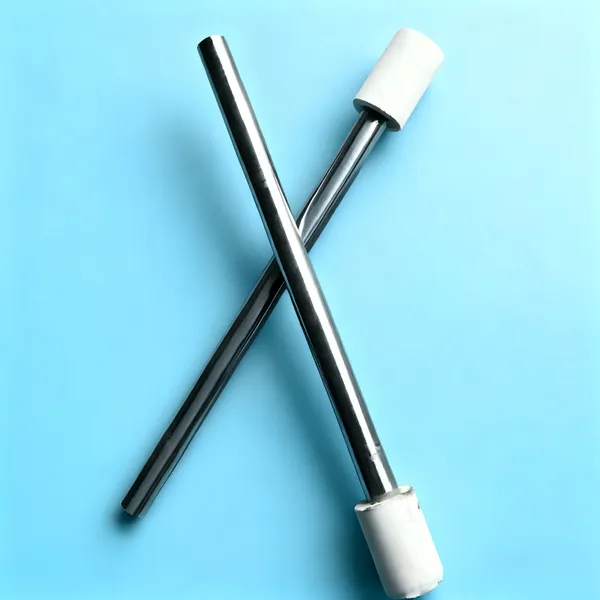
Pingxiang Daier Corundum Wear-Resistance Ceramics Rotating Scraper for Balling & Bulk Material Handling | DAIER SeparationNegotiableMOQ: 1 Cubic Meter
-
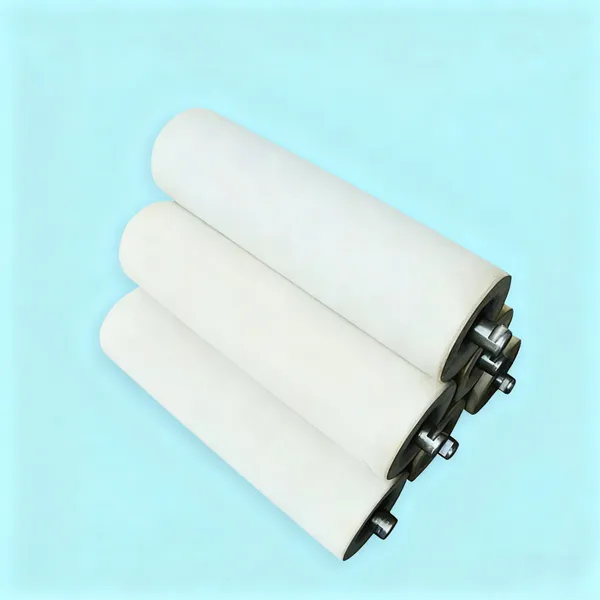
Pingxiang Daier Double Labyrinth Sealed Ceramic Conveyor Roller for Mining & Bulk HandlingNegotiableMOQ: 1 Piece
-
Pingxiang Daier Plastic Perforated Plate Corrugated Structured Packing 125Y 250Y 350Y for Distillation Absorption ScrubberNegotiableMOQ: 1 Cubic Meter
-
Pingxiang Daier Light Ceramic Combination Ring Structured Packing Replaceable for Petrochemical Distillation Absorption ScrubberNegotiableMOQ: 1 Cubic Meter
-
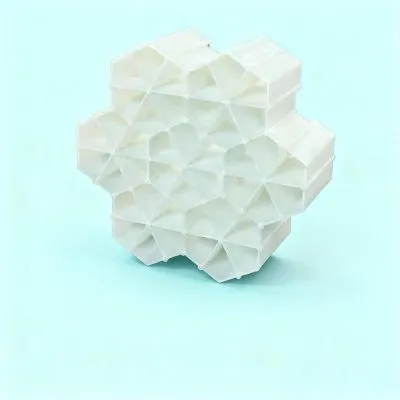
Pingxiang Daier Plastic Hexagonal Composite Ring Structured Packing PP/PVDF for Scrubber Tower Low Pressure Drop High Void RatioNegotiableMOQ: 1 Cubic Meter
-
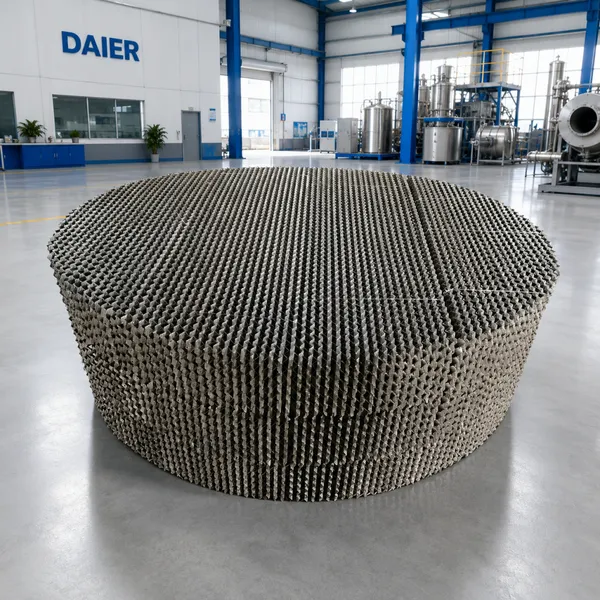
Pingxiang Daier Metal Corrugated Plate Structured Packing 125Y 250Y 350Y 500Y 700Y for Distillation Absorption ScrubbingNegotiableMOQ: 1 Cubic Meter
-
Pingxiang Daier Ceramic Structured Packing 100Y-700Y for Distillation, Absorption & Acid Gas ScrubbingNegotiableMOQ: 1 Cubic Meter
-
Pingxiang Daier Medium Alumina Inert Ceramic Ball (Al₂O₃ 17-23%) for Catalyst Support & Tower PackingNegotiableMOQ: 1 Cubic Meter
-
Pingxiang Daier High Alumina Ceramic Ball for Quenching, Scrubbing & Drying Towers – Inert PackingNegotiableMOQ: 1 Cubic Meter
-
Pingxiang Daier 92% Al₂O₃ High Alumina Inert Ceramic Ball Tower Packing for Catalyst Support & Reactor BedNegotiableMOQ: 1 Cubic Meter
-
Pingxiang Daier 92% Al2O3 High Alumina Inert Ceramic Ball Tower Packing for Catalyst Support & DistillationNegotiableMOQ: 1 Cubic Meter